The primary design consideration for any hive transport equipment is the significant weight of the payload. Because beehives are deceptively heavy, any vehicle or machinery utilized in their transport must be specifically engineered to handle high-density loads rather than just volume.
Beekeeping logistics are fundamentally a weight-management challenge; therefore, the most critical factor in selecting transport equipment is verifying that its design explicitly accounts for the substantial mass of full hives.
The Engineering Challenge of Hive Transport
The Reality of Hive Mass
The core characteristic that defines hive transport is the significant weight involved.
Unlike transporting empty boxes or light agricultural materials, moving beehives involves shifting a dense, heavy product.
Design Specifications
Consequently, equipment cannot be selected based on size or cubic capacity alone.
Vehicles and loaders must be designed with particular attention to load-bearing capacity. This ensures the structural integrity of the transport mechanism under the stress of the hives.
Common Pitfalls to Avoid
Underestimating the Load
A frequent error in logistics is assuming that standard utility vehicles are sufficient without checking weight ratings.
Ignoring the significant weight of the hives can lead to mechanical strain on suspension systems or chassis failure.
The Risk of Inadequate Equipment
Using equipment not designed for this specific weight class compromises safety and reliability.
If the design does not account for the mass of the hives, the equipment becomes the weak link in your operation.
Making the Right Choice for Your Goal
When evaluating vehicles or lifting gear for your apiary, keep the weight factor at the forefront of your decision-making process.
- If your primary focus is safety: Ensure the equipment's maximum load rating exceeds the total estimated weight of your hives to prevent structural failure.
- If your primary focus is equipment longevity: Select machinery designed specifically for heavy loads to minimize wear and tear on the chassis and suspension.
Treat the weight of the hive as the non-negotiable constant in your logistical planning.
Summary Table:
| Factor | Key Consideration | Impact on Operation |
|---|---|---|
| Load Weight | High-density payloads | Determines vehicle structural integrity and safety |
| Equipment Rating | Maximum load capacity | Prevents mechanical strain and chassis failure |
| Logistics Focus | Weight vs. Volume | Ensures machinery is fit-for-purpose, not just sized correctly |
| Maintenance | Suspension & Chassis | Minimizes long-term wear from transporting heavy hives |
Elevate Your Apiary Logistics with HONESTBEE
Moving heavy hives requires more than just space—it requires robust, purpose-built engineering. HONESTBEE specializes in supporting commercial apiaries and distributors with high-performance beekeeping machinery and tools designed to withstand the rigors of industrial use.
From heavy-duty transport solutions to honey-filling machines and specialized hive-making hardware, we provide the full spectrum of equipment needed to scale your business efficiently.
Ready to upgrade your operation? Contact us today to discuss our wholesale offerings and discover how our premium range of tools and consumables can drive your success.
Related Products
- Durable Plastic Interlocking Hive Connector for Beekeeping
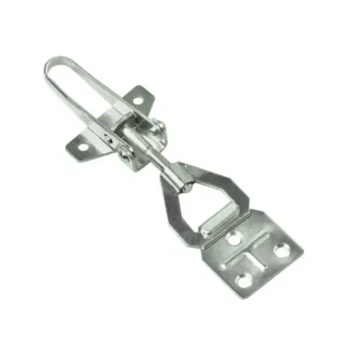
- Heavy Duty Adjustable Hive Connector
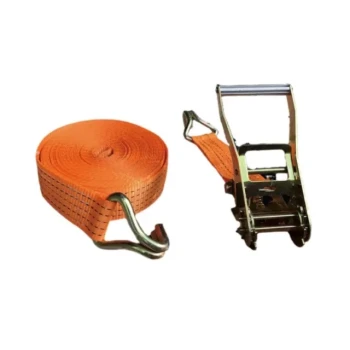
- Heavy Duty Ratchet Hive Strap
- Plastic Transporting Bee Packages and Nuc Boxes for Beekeeping
- Ergonomic Two Person Foldable Hive Lifter
People Also Ask
- How do plastic bee hives compare to wooden hives in handling? Reduce Strain & Boost Efficiency
- Are plastic bee hives any good? Unlock Durability & Efficiency for Your Apiary
- Under what circumstance are beehive connectors particularly beneficial? Optimize Handling for Full Beehive Attachments
- Are plastic bee hives good? Durable, Low-Maintenance Hives for Modern Apiaries
- What is the advantage of using the beehive connector when handling full attachments? Achieve Safe and Efficient Hive Transport