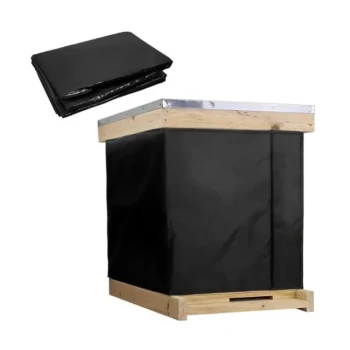
A thermos hive is a modern, insulated beehive engineered specifically to protect colonies in harsh weather conditions. Constructed from food-grade, UV-resistant plastic rather than traditional wood, it is designed to manage temperature and moisture in climates characterized by extreme cold or high humidity.
The core advantage of a thermos hive is its ability to decouple the colony's internal environment from external weather extremes. By combining heavy insulation with standard vertical management, it offers a protective solution for beekeepers in difficult climates without requiring a change in equipment standards.
The Engineering Behind the Hive
Material Composition
Unlike standard wooden hives, a thermos hive is manufactured from food-grade, UV-resistant plastic. This material choice eliminates the rot and degradation common in wooden equipment exposed to the elements.
Because the plastic is UV-resistant, the hive maintains its structural integrity even under intense sunlight. This ensures a long lifespan without the need for painting or chemical treatments.
Thermal Regulation
The defining feature of this hive is its insulation, which functions similarly to a vacuum flask or "thermos." The design is intended to retain colony warmth during freezing winters.
This insulation is equally critical for regulating internal temperatures during fluctuating weather. It reduces the metabolic energy bees must consume to heat the hive, increasing their chances of overwintering successfully.
Moisture Control
Cold is rarely the sole killer of bees; cold combined with condensation is often fatal. The thermos hive is specifically designed to handle high-moisture environments.
By stabilizing the internal temperature, the hive prevents the dangerous condensation cycles that occur in thin-walled wooden hives. This keeps the colony dry, which is essential for survival in damp climates.
Compatibility and Management
Standard Equipment Integration
Despite its advanced materials, the thermos hive is compatible with standard Langstroth frames. This allows beekeepers to transfer existing colonies into the thermos system without buying new internal frames.
Vertical Management
The hive utilizes the traditional vertical management style used in commercial beekeeping. Supers are stacked vertically, allowing the colony to expand upward as needed.
This design choice ensures that the workflow for the beekeeper remains familiar. You do not need to learn a new management style, such as that required for top-bar or horizontal hives.
Understanding the Trade-offs
Specificity of Design
The thermos hive is a specialized tool, not a universal solution. It is engineered primarily for extreme climates where standard wooden gear fails to provide adequate protection.
Material Considerations
While durable, the transition to plastic represents a shift away from natural materials. Beekeepers accustomed to the breathability and weight of wood must adjust to the properties of a fully synthetic, insulated enclosure.
Making the Right Choice for Your Goal
To determine if a thermos hive is the right upgrade for your apiary, consider your local environmental factors.
- If your primary focus is survival in extreme cold: The superior insulation of the thermos hive will likely reduce colony starvation and freezing risks significantly.
- If your primary focus is equipment standardization: You can adopt this system without discarding your existing inventory of Langstroth frames.
- If your primary focus is moisture management: The hive’s specific design for high-moisture climates offers a distinct advantage over traditional wooden boxes that soak up water.
The thermos hive represents a functional evolution in beekeeping, trading tradition for higher survivability in the world's harshest environments.
Summary Table:
| Feature | Thermos Hive Specifications | Key Benefits |
|---|---|---|
| Material | Food-grade, UV-resistant plastic | Eliminates rot, chemical-free, and long lifespan |
| Insulation | High-density thermal barrier | Reduces metabolic energy use and winter starvation |
| Moisture Control | Anti-condensation engineering | Keeps colonies dry and prevents fatal dampness |
| Compatibility | Standard Langstroth frames | Seamlessly integrates with existing equipment |
| Management | Vertical stacking system | Familiar workflow for commercial beekeepers |
Elevate Your Apiary’s Resilience with HONESTBEE
Are you a commercial apiary or a distributor looking to minimize colony loss in challenging climates? At HONESTBEE, we specialize in providing high-performance beekeeping solutions tailored for the global market. Our extensive portfolio includes everything from insulated hive systems and honey-filling machinery to specialized hardware and essential consumables.
By partnering with us, you gain access to a comprehensive wholesale offering designed to boost your efficiency and profitability. Whether you need advanced hive-making machines or a reliable supply of industry-standard tools, HONESTBEE delivers the quality your business deserves.
Ready to upgrade your inventory? Contact us today to explore our wholesale opportunities and let us help you build a stronger, more productive beekeeping operation.
Related Products
- Professional Insulated Winter Hive Wrap for Beekeeping
- Stainless Steel Round Beehive Air Vents for Ventilation
- Professional Insulated Plastic Bee Hives
- HONESTBEE Professional Hive Top Bee Feeder Feeding Solution
- Professional Grade Foldable Beehive Handles
People Also Ask
- What are the steps to properly wrap a beehive for winter? Ensure Your Colony Survives the Cold
- When is the best time to wrap a beehive for winter? A Guide to Perfect Winterization Timing
- How do professional insulation wraps provide protection for bee colonies? Optimize Winter Survival & Energy Efficiency
- What are the technical benefits of using winter wraps for beehive insulation? Boost Colony Survival & Hive Health
- What are the benefits of using insulated covers for hives? Ensure Colony Survival and Health