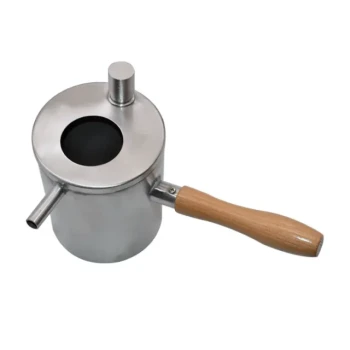
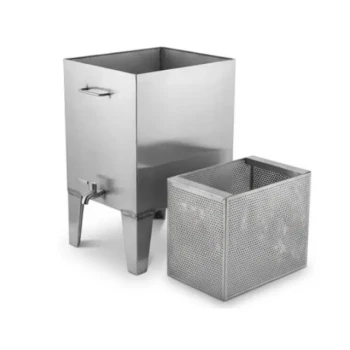
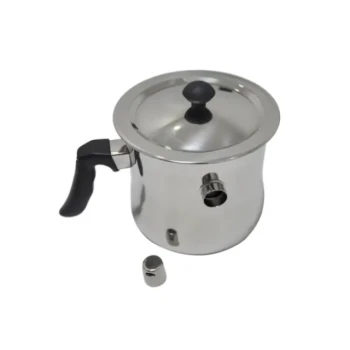
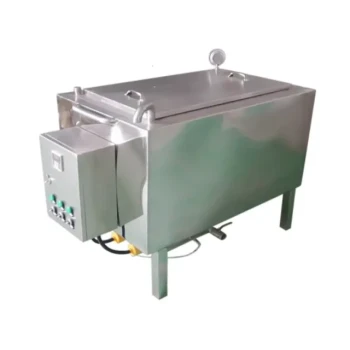
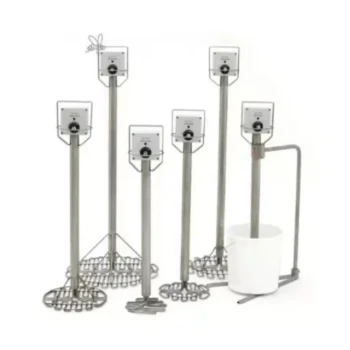
A wax melter is a thermal processing device utilized in beekeeping to recover and purify beeswax from used honeycomb and scrap material. By heating the raw wax to temperatures exceeding +70 degrees Celsius, the device liquefies the product, allowing beekeepers to filter out impurities before pouring the clean wax into molds to solidify.
A wax melter transforms waste product—old comb and scrapings—into a valuable, reusable resource. It is the primary mechanism for recycling beeswax for use in creating new hive foundation, medicinal products, candles, and cosmetics.
The Mechanics of Wax Recovery
The Melting Threshold
Beeswax is a stable material at ambient temperatures but transitions to liquid when heat is applied. The wax melter must maintain a specific temperature environment, generally raising the internal heat to +70 degrees Celsius or higher.
This temperature is critical because it ensures the wax flows freely without burning. Proper heating separates the valuable wax from the "slumgum" (cocoons, propolis, and debris) trapped within the comb.
Filtration and Solidification
Once the honeycomb has liquefied, the purification process begins. The liquid wax is passed through a filter system to remove physical contaminants found in the hive.
After filtration, the clean wax is poured into molds. As it cools, it hardens into blocks of pure beeswax, ready for storage or immediate application in various industries.
Primary Purposes in Beekeeping
Creating New Hive Foundation
One of the most practical uses for recovered wax is the creation of new foundation. This is a sheet of beeswax stamped with a hexagonal pattern that serves as a guide for bees to build straight, strong combs.
Using foundation made from recovered wax allows beekeepers to standardize cell sizes (often 5.4 millimeters) and embed wiring for strength. This structural support is vital for frame inspection and allows the comb to withstand the forces of honey extraction centrifuges.
Value-Added Applications
Beyond hive maintenance, the wax melter enables beekeepers to diversify their output. The purified wax is highly sought after for medicinal applications and cosmetology due to its natural properties.
Additionally, the rendered wax is the primary ingredient for candle making and is frequently utilized in specific sectors of the food industry.
Understanding the Trade-offs
Temperature Sensitivity
While heat is necessary, temperature management is a critical trade-off. The primary reference notes a melting point of +70°C, but supplementary contexts mention higher temperatures (220°F) for wood preservation processes like wax dipping.
It is vital to distinguish between these goals. Overheating wax during the rendering process can darken the wax and degrade its quality, making it less desirable for cosmetic or foundation use.
Processing Efficiency vs. Purity
A wax melter is designed to extract wax, but it requires subsequent filtration steps. The initial melt rarely produces perfectly clean wax immediately.
Beekeepers must accept that achieving "exhibition grade" wax often requires multiple passes or fine filtration, which adds labor time to the resource recovery process.
Making the Right Choice for Your Apiary
The way you utilize a wax melter should depend on your end goals for the recovered material.
- If your primary focus is Colony Management: Prioritize recycling wax to create new foundation, as this encourages bees to build straight, sturdy combs that facilitate easier inspections and honey extraction.
- If your primary focus is Commercial Products: Focus on the filtration aspect of the melting process to ensure high-purity wax suitable for the cosmetic, medicinal, and candle-making markets.
Ultimately, the wax melter serves as the bridge between apiary waste and sustainable, valuable production.
Summary Table:
| Feature | Specification/Detail | Benefit |
|---|---|---|
| Melting Temperature | +70°C (158°F) or higher | Ensures smooth flow without burning the wax |
| Input Material | Scrapings, old comb, slumgum | Transforms waste into valuable resources |
| Output Products | Pure beeswax blocks, foundation | Supports hive health and secondary revenue |
| Key Function | Thermal filtration & molding | Removes impurities for medical/cosmetic grade wax |
Maximize Your Apiary's Value with HONESTBEE
At HONESTBEE, we specialize in empowering commercial apiaries and distributors with high-performance beekeeping machinery. Whether you need professional-grade wax melters, specialized hive-making equipment, or honey-filling machines, our comprehensive wholesale offering has you covered.
We provide everything from heavy-duty hardware to essential industry consumables and honey-themed cultural merchandise to help you diversify your brand. Let us help you streamline your beeswax processing and scale your operations with reliable, industrial-strength tools.
Ready to upgrade your production?
Contact our expert team today to discuss our wholesale solutions and find the perfect equipment for your business.
Related Products
- Professional Stainless Steel Wax Melter for Beekeeping and Crafts
- Steam Beeswax Melter Wax Warmer for Wax Processing
- Beeswax Melter for Candle Making Honey Bee Wax Melter
- Electric Commercial Beeswax Melter for Factory Use
- Solar Beeswax Melter Easy Solar Wax Melter for Beeswax
People Also Ask
- What are the benefits of using a professional wax melter? Achieve Consistent, Scalable, and Safe Production
- What are the two main types of wax melters available? A Guide to Direct vs. Indirect Heat
- What are the types of wax melters available? Choose the Right Heating Method for Your Project
- What is the fundamental operating principle of a wax melter? Master the Thermal Phase Change for Pure Beeswax
- What do you use a wax melter for? From Home Fragrance to Professional Beekeeping