Bee-collected pollen is a natural aggregate of floral pollen grains harvested by honey bee foragers (Apis mellifera L.) from their environment. Physically, it consists of pellets comprising millions of microscopic grains, serving as the sole source of protein for the entire honey bee colony.
While often recognized as a health supplement, bee-collected pollen is fundamentally the nutritional engine of the hive. It is a highly variable natural product that requires rigorous processing—specifically regular harvesting and freezing—to prevent spoilage and maintain its nutritional integrity.
The Biological Composition
Physical Characteristics
The fundamental unit of bee-collected pollen is the pollen grain, which ranges in diameter from 5 to 200 µm. Because bees visit different flora, the resulting pellets accumulated in the hive appear in a wide variety of colors.
The Role in the Hive
This substance is not an optional additive for the bees; it is their sole protein food. It is essential for the growth, development, and maintenance of the colony, distinguishing it from honey, which primarily provides carbohydrates.
Processing and Quality Control
Harvesting and Cleaning
To ensure quality, pollen must be collected from traps frequently. Regular harvesting is critical to prevent the moisture-rich pellets from molding while still in the trap. Once collected, the product undergoes cleaning to remove impurities such as debris or bee parts.
Preservation and Packaging
After cleaning, the pollen must be frozen. Freezing is the industry standard for preserving the pollen's nutritional value and freshness. Finally, it is packaged in airtight containers to protect it from moisture and air during storage or sale.
Common Uses and Applications
Colony Nutrition
Beekeepers often use collected pollen to supplement hive nutrition. It is frequently mixed with soybean flour or brewer's yeast to create "pollen patties," which are placed on top of frames for bees to consume.
Human Application
Locally collected bee pollen is sometimes used by individuals attempting to desensitize themselves to allergies. For this specific application, it is noted that collecting pollen during the bloom of common allergen plants may be particularly beneficial.
Understanding the Trade-offs
The Spoilage Risk
The most significant pitfall with bee-collected pollen is its instability. Because it is a raw, biological product rich in moisture, it provides an ideal environment for mold growth if processing is delayed.
Inconsistency
Unlike synthetic supplements, bee pollen is not standardized. Its color, size, and nutritional composition fluctuate based on the specific environment and season in which the forage occurred.
Making the Right Choice for Your Goal
The utility of bee-collected pollen depends heavily on how it is processed and intended to be used.
- If your primary focus is Hive Health: Utilize pollen patties mixed with extenders like soybean flour or brewer's yeast to provide a cost-effective protein boost.
- If your primary focus is Allergy Management: Seek out locally sourced pollen harvested specifically during the blooming season of the plants triggering the reaction.
Successful utilization of bee pollen requires strictly verifying that the product has been cleaned and frozen immediately after harvest to ensure safety.
Summary Table:
| Feature | Details |
|---|---|
| Composition | Aggregated floral grains (5-200 µm diameter) |
| Primary Role | Sole protein source for honey bee colonies |
| Key Hazards | Rapid spoilage and mold if not frozen immediately |
| Processing Steps | Frequent harvesting, cleaning, and airtight freezing |
| Common Uses | Colony nutritional patties and human allergy desensitization |
Elevate Your Beekeeping Operation with HONESTBEE
At HONESTBEE, we understand that premium bee-collected pollen requires precision at every step. As a leading partner for commercial apiaries and distributors, we provide the specialized tools and machinery needed to maintain the highest product standards.
From industrial-grade pollen traps and cleaning hardware to advanced honey-filling machines and comprehensive hive-making equipment, our wholesale portfolio is designed to scale your business efficiency. Whether you are looking for essential consumables or honey-themed cultural merchandise to expand your brand, we deliver the expertise and quality you deserve.
Ready to optimize your production? Contact us today to explore our full spectrum of beekeeping solutions!
Related Products
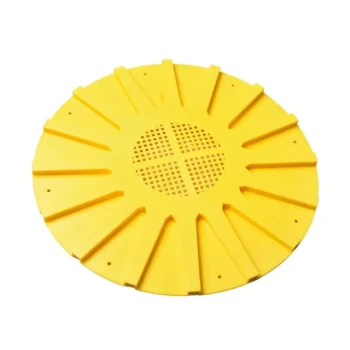
- 30 cm Plastic Entrance Hole Bee Pollen Trap and Collector
- Plastic Bee Pollen Trap Strips Comb Catcher Collector
- Removable Plastic Pollen Trap With Ventilated Tray for Bees Pollen Collector
- Heavy-Duty Ergonomic Grip Galvanized Pollen Shovel
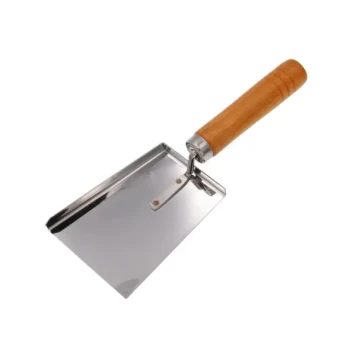
- Stainless Steel Pollen Shovel with Wooden Handle
People Also Ask
- What are the design principles and advantages of pollen traps in the collection of bee pollen? Boost Your Apiary Yield
- Why is frequent harvesting of bee pollen from traps necessary for quality control? Ensure Freshness and Prevent Mold.
- How often should bee pollen be harvested from a trap and why? Master Freshness and Prevent Spoilage
- What function do pollen traps serve in quantitative collection? Boost Your Apiary's Data & Production Efficiency
- What is the primary function of bee pollen traps? Optimize Your Pollen Harvest with Advanced Extraction Efficiency