Reusing extracted honeycombs is a strategic efficiency maneuver. By returning intact combs to the hive, you allow bees to bypass the energy-intensive process of synthesizing new beeswax. Instead of allocating resources to build infrastructure, the colony can immediately focus on foraging and storing nectar, directly increasing your honey harvest.
The primary advantage of reusing honeycombs is energy conservation for the colony. Because bees consume a significant amount of honey to produce a small amount of wax, preserving drawn comb shifts their resources from construction to production, significantly boosting honey surplus.
The Energy Economics of the Hive
Eliminating Construction Costs
Beeswax production is metabolically expensive for a colony. Bees must consume large quantities of honey to secrete the wax scales necessary for comb construction.
By providing drawn comb, you remove this "energy tax" from the bees. They are spared the labor of starting from scratch, allowing them to conserve energy that would otherwise be lost to metabolic heat and wax secretion.
Rapid Turnaround Time
When you return a honeycomb in good condition, the bees only need to perform maintenance. As noted in standard apiary practices, the bees will quickly repair any minor damage sustained during the extraction process.
This allows the colony to switch modes almost instantly. Rather than waiting days to build storage space, they can begin refilling the cells with nectar immediately.
Impact on Honey Yield
Prioritizing Surplus over Structure
The ultimate goal for the beekeeper is usually to maximize surplus honey. If bees are forced to build new comb, they consume the very resource you are trying to harvest.
Reusing combs ensures that the nectar gathered is converted into stored honey rather than burned as fuel for construction. This results in a higher net yield for both the colony's winter reserves and the beekeeper's harvest.
Understanding the Trade-offs
Equipment vs. Simplicity
While reusing combs is efficient, it requires specific equipment—usually a centrifugal extractor—to keep the comb intact.
Flavor Profile Considerations
There is a distinct difference in the end product depending on your extraction method. While reusing combs maximizes volume, crushing the honeycomb is an alternative method that destroys the comb but produces raw honey with a unique taste.
This "crush and strain" method is economical for small operations and yields honey that is particularly well-suited for making mead or specialty bottling, though it sacrifices the production speed of the next harvest.
Making the Right Choice for Your Goal
Deciding whether to preserve or crush your combs depends on whether you prioritize maximum volume or specific artisanal qualities.
- If your primary focus is maximum yield: Reuse your combs to minimize the bees' energy expenditure and maximize honey storage.
- If your primary focus is specialty flavor or mead: Crush the combs to capture the unique taste profile of raw, crushed-comb honey, accepting that the bees must rebuild next season.
Treating drawn comb as a renewable asset rather than a disposable resource is the hallmark of efficient apiary management.
Summary Table:
| Feature | Reusing Drawn Comb | Crushing Comb (Crush & Strain) |
|---|---|---|
| Honey Yield | Maximum - Bees focus on storage | Lower - Bees consume honey to make wax |
| Energy Cost | Minimal - Maintenance only | High - Full reconstruction required |
| Production Speed | Rapid turnaround | Delayed by construction |
| Equipment Needed | Centrifugal Extractor | Basic Strainer |
| Best Use Case | Commercial production & surplus | Artisanal honey & specialty mead |
Maximize Your Harvest with Professional Beekeeping Solutions
Efficiency is the backbone of a successful commercial apiary. At HONESTBEE, we empower commercial beekeepers and distributors by providing the high-performance tools needed to manage drawn comb assets effectively. From precision centrifugal extractors that keep your combs intact to industrial-grade honey-filling machines and hive-making machinery, we supply the full spectrum of equipment to streamline your operations.
Whether you are scaling your honey production or stocking essential industry consumables, our comprehensive wholesale offering is designed to increase your yield and reduce labor costs. Contact HONESTBEE today to discuss how our specialized hardware and beekeeping supplies can elevate your business to the next level.
Related Products
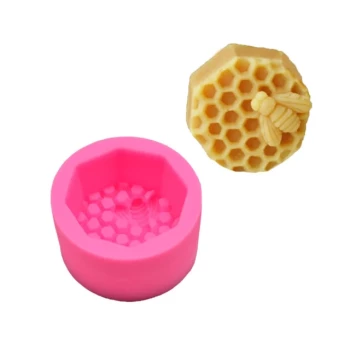
- Hexagonal Bee Honeycomb Silicone Soap Mold by HONESTBEE
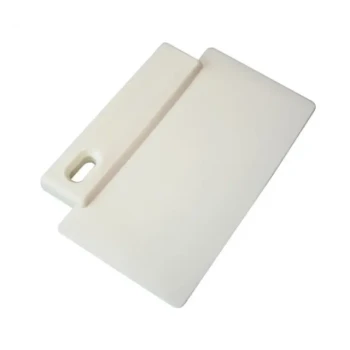
- Professional Wide Blade Honey Scraper for Beekeeping and Honey Processing
- Honey Bee Lifecycle Model: A Detailed Honeycomb Display of Bee Development
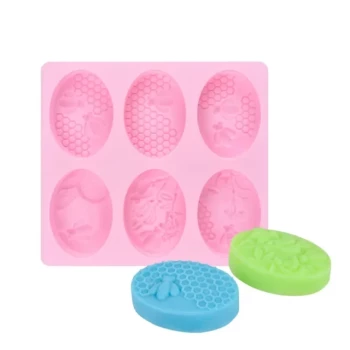
- Premium 6-Cavity Bee and Floral Themed Silicone Soap Mold
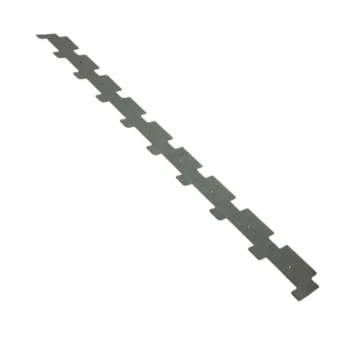
- Heavy Duty Castellated Iron Frame Spacer for Honey Supers
People Also Ask
- What are the advantages of silicone molds for queen cell cups? Upgrade Your Queen Rearing Precision
- What should be considered when selecting combs of honey for extraction? | Key Steps for Quality Honey
- What do bees use combs for? The Hive's Essential Pantry and Nursery
- How are Honeycombs utilized as a standardized testing platform in the assessment of honeybee hygienic cleaning? Guide
- How does removing entire honeycombs impact Varroa mites? Master Mechanical Mite Control for Healthier Hives