The brush test is a straightforward physical assessment used by beekeepers to gauge whether a honeybee colony has acclimated to a new queen. By running a gloved finger across the wire screen of the queen’s introduction cage, you can determine if the workers are behaving aggressively or passively. If the bees part easily like water, the queen has been accepted; if they cling tightly or bite the screen, the colony is hostile and not yet ready for her release.
The core principle of the brush test is distinguishing between curiosity and aggression. While bees will naturally cover a new queen's cage, their refusal to move when disturbed is a definitive sign of rejection that requires immediate caution.
Performing the Assessment
The Technique
To perform the test, access the queen cage within the hive. Using a gloved finger, gently attempt to brush the worker bees off the screen face of the cage.
You are looking specifically for the physical resistance the bees offer against your movement.
Interpreting Positive Signals
If the colony has accepted the new queen, the worker bees will be calm. When you brush them, they should move aside easily without resistance.
This "fluid" movement indicates that their interest in the queen is non-aggressive. It suggests the pheromones have integrated and it is likely safe to proceed with the release.
Identifying Negative Signals
If the bees have not accepted the queen, they will exhibit distinct aggressive behaviors. They may stick stubbornly to the cage mesh and refuse to budge when you apply pressure.
Look closely at their mandibles; bees that are biting the cage wires are showing clear aggression. This behavior indicates they are trying to ball and kill the queen rather than feed or groom her.
Critical Risks and Considerations
The Cost of Misinterpretation
The primary risk associated with the brush test is failing to recognize the "clinging" behavior as aggression.
If you mistake bees engaging in "balling" behavior (sticking tight to the cage) for simple curiosity and release the queen, the colony will likely kill her.
Patience is Essential
If the test yields a negative result—meaning the bees refuse to move or are biting the screen—you must not release the queen.
The presence of these aggressive signs confirms the colony has not yet accepted her presence. Releasing her under these conditions ignores the biological signaling of the hive.
Making the Right Choice for Your Goal
Successful queen introduction relies on reading the bees' behavior, not just following a timeline.
- If your primary focus is ensuring queen survival: Delay release if there is any sign of bees sticking to the cage or biting the mesh; these are fatal indicators.
- If your primary focus is verifying acceptance: Look for the bees to part easily under your finger, signaling they are attending to the queen rather than attacking her.
Trust the tactile feedback of the hive; if the bees won't let go of the cage, the colony isn't ready to let the queen in.
Summary Table:
| Behavior Type | Worker Bee Reaction | Interpretation | Action Required |
|---|---|---|---|
| Positive (Accepted) | Bees part easily like water; no resistance. | Pheromones integrated; colony is calm. | Safe to release the queen. |
| Negative (Rejected) | Bees cling tightly; biting the cage mesh. | Aggressive 'balling' behavior detected. | Do not release; delay for more time. |
| Ambiguous | Some movement but lingering clusters. | Incomplete acceptance. | Re-test in 24-48 hours. |
Maximize Your Apiary Productivity with HONESTBEE
Successful queen introduction is just the first step in maintaining a thriving commercial apiary. At HONESTBEE, we specialize in supporting commercial beekeepers and distributors by providing a comprehensive wholesale range of professional-grade tools. From advanced hive-making and honey-filling machinery to high-quality consumables and specialized hardware, our portfolio is designed to enhance your operational efficiency.
Whether you are scaling your honey production or looking for premium honey-themed cultural merchandise to expand your brand, we offer the expertise and equipment you need to succeed. Contact us today to discuss your wholesale requirements and see how our global supply chain solutions can benefit your business!
Related Products
- Precision Honey Refractometer Instrument for Quality Assessment
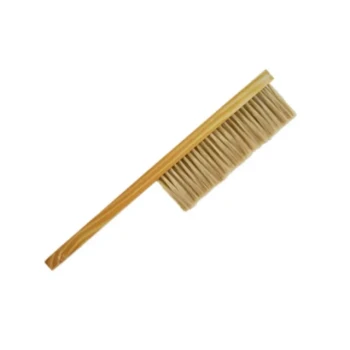
- Wooden Bee Brush with Triple Row Artificial Fiber for Beekeeping
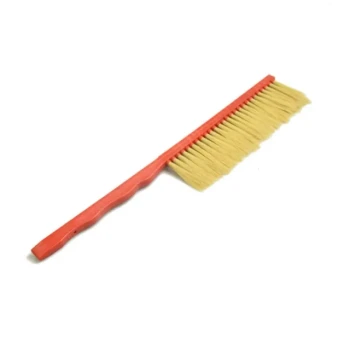
- Plastic Handle Single Row Artificial Fiber Bee Brush
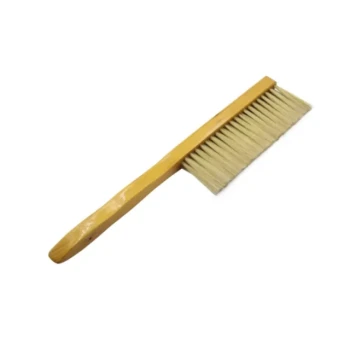
- Classic Wooden Bee Brush with Double-Row Boar Bristles
- Double Row Artificial Fiber Bee Brush for Beekeeping
People Also Ask
- How do professional scientific instruments contribute to honey quality testing? Ensure Purity and Market Compliance
- What are the main advantages of using a honey refractometer? Ensure Product Quality and Prevent Fermentation
- Why is it important to understand the basics before using a honey refractometer? Ensure Honey Quality & Prevent Spoilage
- What properties can be measured with a honey refractometer? Master Honey Quality & Stability
- How should a honey refractometer be calibrated for accuracy? Master Precision in Honey Moisture Analysis