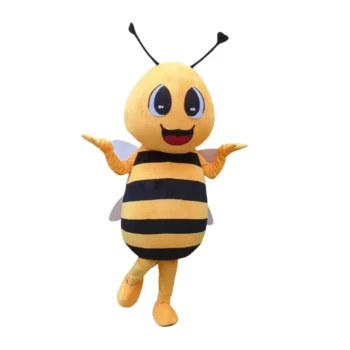
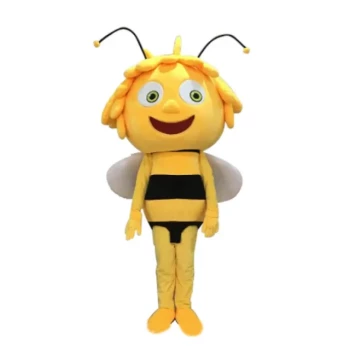
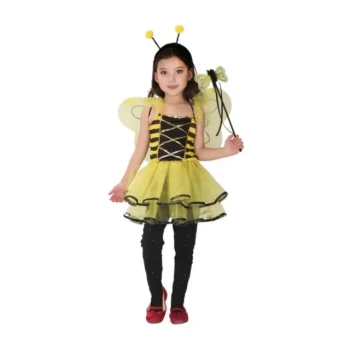
Developing bee-themed cultural merchandise transforms stingless beekeeping from simple agricultural production into a high-value ecological industry. Commercially, this strategy significantly extends the value chain by converting raw materials like beeswax and honey into premium derivative goods such as soaps, balms, and decorative items. This diversification attracts high-end consumers interested in wellness and conservation, directly increasing the economic returns and brand equity of the apiary.
The integration of cultural merchandise allows apiaries to evolve from commodity traders into lifestyle brands. By turning abstract ecological concepts into tangible products, businesses capture value from tourism and health-conscious markets, securing high-margin revenue streams beyond raw honey sales.
Extending the Value Chain
The primary commercial significance lies in maximizing the utility of every hive resource. Instead of relying solely on raw honey, producers can create multiple revenue channels.
Monetizing Byproducts and Residues
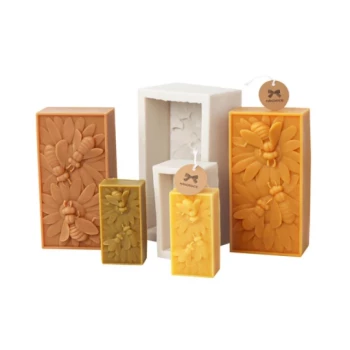
Raw materials often discarded or undervalued, such as beeswax residues and propolis, can be processed into high-value functional products. Processing equipment allows for the creation of beeswax packaging boxes, candles, and artistic gifts, ensuring no material goes to waste.
Creating High-Value Derivatives
Products like honey soaps, beeswax balms, and skincare items command higher price points than bulk agricultural produce. These derivative products position the apiary in the lucrative health and wellness sector rather than just the food sector.
Smoothing Seasonal Revenue Gaps
Agricultural production is often seasonal, but shelf-stable merchandise creates year-round income. Crafts and skincare products provide financial stability when fresh honey production is low or out of season.
Brand Elevation and Market Positioning
Cultural merchandise serves as a powerful vehicle for brand communication. It allows producers to connect with a broader, more affluent demographic.
Targeting the "Conscious Consumer"
By marketing through tourism channels, enterprises can attract high-end consumers focused on ecological conservation and personal wellness. These demographics are willing to pay a premium for products that align with their values regarding biodiversity and natural health.
Tangible Brand Storytelling
Merchandise transforms abstract concepts—like bee conservation and ecological protection—into tangible, take-home assets. A physical product builds an emotional connection, reinforcing the consumer's understanding of bee ecology long after their initial purchase or visit.
Professionalizing Market Presence
Utilizing professional display equipment and culturally themed packaging significantly increases brand premiums. High-quality presentation at agricultural fairs and trade shows helps overcome sales channel limitations, making the products attractive to distributors and retailers.
Societal and Industry Impact
Beyond immediate revenue, developing a cultural product line has strategic long-term benefits for the industry's workforce and reputation.
Elevating Social Prestige
The shift toward high-value-added cultural industries enhances the social status of the profession. This modernization helps attract young workers to the field, addressing labor shortages common in traditional agriculture.
Educational Reach
Merchandise acts as a lasting educational medium. Every product sold spreads awareness about the importance of stingless bees, fostering a community-based economic model that supports regional biodiversity.
Understanding the Trade-offs
While the benefits are significant, expanding into merchandise requires careful resource management.
Manufacturing Complexity
Moving from raw honey production to manufacturing soaps or crafts introduces new operational complexities. It often requires investment in specialized processing equipment and distinct quality control protocols for non-food items.
Brand Dilution Risks
There is a risk of losing focus on the core product—high-quality honey. Merchandise must be viewed as an extension of the brand's ecological integrity, not a replacement for the core agricultural excellence.
Making the Right Choice for Your Goal
To leverage this strategy effectively, align your product development with your specific business objectives.
- If your primary focus is Maximizing Profit Margins: Prioritize high-value derivative consumables like honey-based skincare and beeswax balms, as these command the highest premiums over raw materials.
- If your primary focus is Brand Building and Awareness: Invest in decorative beehives and culturally themed gift packaging that tell a visual story and serve as educational tools for consumers.
- If your primary focus is Tourism and Foot Traffic: Develop a range of affordable souvenirs and interactive crafts that enhance the visitor experience and serve as tangible memories of the apiary.
Ultimately, successful cultural merchandise does not just sell a product; it sells the story of ecological stewardship, justifying a premium price through emotional and functional value.
Summary Table:
| Strategic Aspect | Commercial Significance & Impact | Key Product Examples |
|---|---|---|
| Value Chain Extension | Maximizes hive utility by converting raw byproducts into premium goods. | Propolis balms, beeswax candles, soaps |
| Revenue Stability | Creates year-round income streams, reducing dependence on seasonal harvests. | Skincare items, artistic gifts, crafts |
| Market Positioning | Attracts high-end, eco-conscious consumers and wellness markets. | Culturally themed gift sets, skincare |
| Brand Equity | Builds emotional connections through tangible storytelling and education. | Decorative hives, honey-themed souvenirs |
| Social Impact | Professionalizes the industry to attract young talent and boost prestige. | Advanced beekeeping hardware, merchandise |
Elevate Your Beekeeping Business with HONESTBEE
Are you a commercial apiary or distributor looking to transcend the commodity honey market? HONESTBEE is your strategic partner in industry modernization. We provide more than just tools; we supply the comprehensive infrastructure needed to scale your operations and diversify your revenue.
From high-precision honey-filling and hive-making machinery to a specialized array of honey-themed cultural merchandise, we help you capture high-margin wellness and tourism markets. Our wholesale portfolio empowers you to process byproducts into value-added goods, ensuring your brand stands out in a competitive landscape.
Ready to maximize your apiary's potential? Contact us today to explore our wholesale equipment and merchandise solutions tailored for your growth.
References
- Amelia Nicolas, I Gusti Bagus Udayana. Melitourism Potential of Bali, Indonesia and Bicol, Philippines. DOI: 10.36782/apjsafe.v10i1.137
This article is also based on technical information from HonestBee Knowledge Base .
Related Products
- White Cotton Beekeeping Jacket and Veil for Bee Keepers
- Premium Traditional Copper Bee Smoker with Bellows
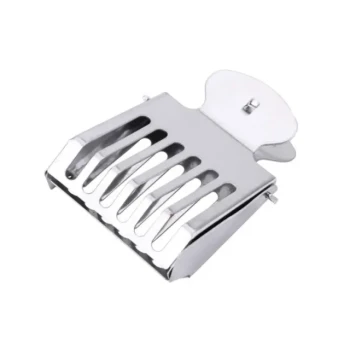
- Heavy Duty Stainless Steel Queen Bee Catcher Clip
- 30 cm Plastic Entrance Hole Bee Pollen Trap and Collector
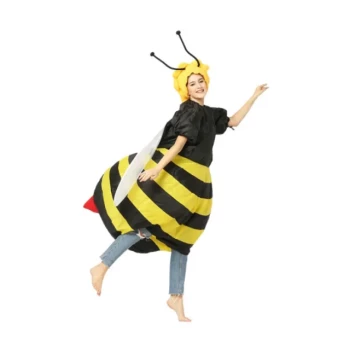
- Bee Inflatable Costume Professional Engaging Promotional Attire for Events & Marketing
People Also Ask
- What are the features of an economical beekeeping jacket? Essential Protection for Budget-Conscious Beekeepers
- What are the pros of using a beekeeping jacket? Unlock Superior Comfort and Mobility for Your Apiary
- What factors should a new beekeeper consider when choosing between a jacket and a full suit? Security vs. Comfort
- What are the advantages of a beekeeping jacket? Superior Mobility & Comfort for Routine Hive Inspections
- When is a beekeeping jacket considered a more suitable choice than a full suit? Optimize Your Apiary Mobility