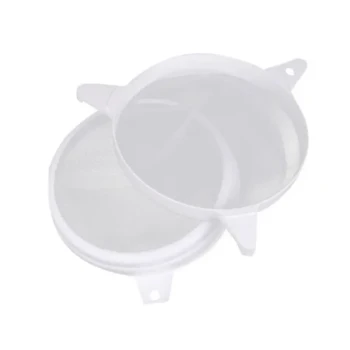
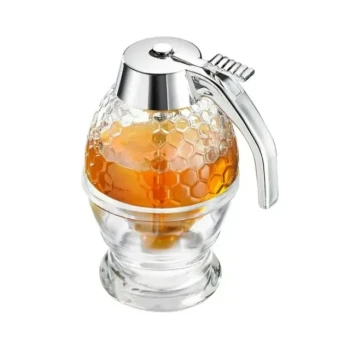
Standardizing Purity and Market Readiness. Industrial-grade filtering systems serve as the critical gateway in commercial honey production, primarily functioning to remove beeswax fragments, pollen clumps, and bee debris through multi-stage precision filtration. By eliminating these solid impurities and crystallization nuclei, these systems ensure the high clarity, consistent fluidity, and extended shelf life required to meet international export standards and high-end consumer expectations.
Industrial filtration transforms raw honey into a stable, marketable commodity by physically removing impurities while preserving vital bioactive nutrients. For B2B distributors and wholesalers, this technology is the foundation of product reliability, ensuring every batch meets the strict purity and sensory standards demanded by global supply chains.
Optimizing Physical Quality and Consumer Appeal
Achieving Optical Clarity and Fluidity
Industrial filters are designed to remove small wax fragments and insoluble solids that enter the honey during harvesting. This process ensures the transparency and golden brilliance that consumers associate with premium quality.
By refining the honey’s texture, these systems ensure the product remains fluid and easy to pour. This consistency is vital for commercial bottling operations and helps prevent blockages in high-speed packaging lines.
Controlling Crystallization for Shelf Stability
Filtration removes crystallization nuclei, such as stray pollen grains and dust particles, which naturally trigger honey to solidify. By eliminating these triggers, industrial systems significantly extend the shelf life of the product.
For wholesalers, this stability reduces the risk of product returns due to premature crystallization. It ensures the honey maintains its liquid state throughout the duration of the shipping and storage cycle.
Ensuring Commercial Compliance and Safety
Meeting International Export Standards
Global markets require honey to meet rigorous purity and food safety standards. Industrial-grade systems utilize multi-stage precision filters to ensure the final product is free from foreign matter and bee remains.
This standardized processing allows distributors to confidently enter high-end pharmaceutical and food industries. It transforms raw, variable agricultural products into a consistent, "export-grade" commodity.
Preserving Bioactive Integrity
Modern filtration uses physical means rather than chemical additives to purify the honey. This approach protects the natural antioxidant activity and mineral content derived from specific nectar sources.
Even when processing medicinal varieties, such as honey from the African mahogany, precision equipment ensures purity without damaging the bioactive components. This allows resellers to market the honey as both a pure and functional food product.
Driving Operational Efficiency for Wholesalers
Scalability Through Automation
Industrial systems enable the standardized processing of honey on a massive scale. High-capacity centrifugal extraction and automated filtration allow for the rapid transition from raw harvest to finished goods.
For B2B partners, this means access to a comprehensive product portfolio that can scale with demand. Automation ensures that large orders are processed with the same level of precision as small batches.
Rapid Response and Order Fulfillment
Integrated filtration and moisture control systems accelerate the refining process. This efficiency is the key to achieving ultra-fast delivery times in a competitive global market.
By reducing the time required for purification, suppliers can offer rapid response times to market fluctuations. This reliability is a cornerstone of exceptional customer service for professional resellers.
Understanding the Trade-offs
Balancing Purity with Pollen Retention
While fine filtration creates the clearest honey, it may remove a significant portion of the natural pollen. Some niche markets value high pollen counts as a sign of authenticity.
Distributors must choose equipment settings that balance visual perfection with the specific labeling requirements of their target audience. Over-filtering can sometimes strip away the "raw" characteristics sought by certain boutique health segments.
Temperature Management Risks
Industrial systems often use controlled heat to reduce honey viscosity and speed up the filtration process. If temperatures are not strictly monitored, excessive heat can degrade delicate enzymes and darken the honey’s color.
Utilizing professional industry expertise is essential to ensure that thermal treatments stay within the safe range. Precision-engineered systems are required to maintain the balance between processing speed and nutritional preservation.
How to Apply This to Your Sourcing Strategy
Making the Right Choice for Your Goal
- If your primary focus is International Export: Prioritize suppliers using multi-stage, high-precision filtration to ensure compliance with the strictest global purity and safety regulations.
- If your primary focus is Premium/Medicinal Markets: Ensure your sourcing partners utilize physical purification methods that preserve the bioactive markers and antioxidant levels of the honey.
- If your primary focus is High-Volume Distribution: Seek out partners with automated, industrial-scale equipment capable of rapid order fulfillment and consistent batch-to-batch quality.
High-performance filtration is the essential bridge between raw apiary production and the sophisticated demands of the modern global honey market.
Summary Table:
| Core Function | Key Benefit for B2B | Operational Outcome |
|---|---|---|
| Impurity Removal | High optical clarity & brilliance | Premium market positioning |
| Crystallization Control | Extended shelf life & stability | Reduced returns & storage loss |
| Compliance Support | Meets international export standards | Access to global supply chains |
| Automated Refining | Rapid batch processing | Ultra-fast order fulfillment |
Streamline Your Supply Chain with HONESTBEE
Are you looking to scale your honey distribution or upgrade your processing facility? HONESTBEE specializes in serving commercial apiaries and B2B distributors with a comprehensive, one-stop sourcing solution. From high-precision honey filtering and filling machines to specialized hive-making hardware and essential consumables, we provide the tools you need to maximize profit margins and ensure product reliability.
Why Partner with HONESTBEE?
- Comprehensive Portfolio: Access a full spectrum of beekeeping machinery and industry-themed merchandise.
- Rapid Fulfillment: Benefit from ultra-fast delivery and efficient order processing to meet market demand.
- Professional Expertise: Leverage our deep industry knowledge for OEM/ODM support and premium trading services.
Ready to enhance your competitive edge? Contact our expert team today to receive a customized wholesale quote!
References
- L.M. González-Pérez, Gabriela Medina‐Pérez. Una breve revisión de la composición y valor nutracéutico de la miel de Apis mellifera. DOI: 10.29057/icap.v10i20.12886
This article is also based on technical information from HonestBee Knowledge Base .
Related Products
- Electric Double Wall Honey Filtering Machine Purifier Equipment for Honey Processing Plant
- Professional Stainless Steel Honey Filtering Machine with Water Bath Heating for Beekeeping
- 0.5T Capacity Honey Dehumidifier Dryer with Vacuum Heating and Thickening Filtering Machine
- Honey Concentrating and Filtering Dehumidifier Machine 2T Capacity for Honey
- Professional Stainless Steel Honey Filter with Support Handle
People Also Ask
- What is the process of filtering honey? A Guide to Clean, Pure, and Market-Ready Honey
- What types of equipment are used in honey filtering? Build an Efficient System for Pure, Marketable Honey
- What is the overall importance of using the right equipment in honey filtering? Boost Quality & Marketability
- What are the benefits of drying honey filtering equipment after use? Protect Your Honey Quality & Equipment Investment
- Why is filtering important in honey processing, and what equipment is used? A Guide to Quality & Efficiency