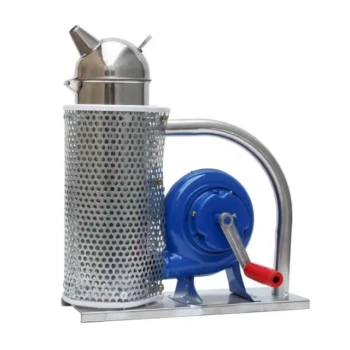
The primary function of specialized evaporation devices is the controlled, sustained release of formic acid vapor.
These devices utilize physical structures to strictly regulate the daily evaporation rate of the acid solution. By maintaining a stable therapeutic concentration over a specific period, typically around 15 consecutive days, they ensure the treatment is lethal to parasites but remains safe for the colony.
Core Insight: The effectiveness of formic acid treatment is not determined by the volume of acid used, but by the stability of its release. The device acts as a mechanical throttle, preventing the volatile spikes that harm bees while maintaining the sustained vapor pressure required to penetrate hive structures.
The Mechanics of Controlled Release
Regulating Daily Volatility
Raw formic acid is highly volatile and difficult to control. Specialized devices mitigate this by restricting the evaporation surface area or using absorbent media to limit how much liquid is exposed to air at any given moment.
Achieving Dynamic Equilibrium
The goal is to create a specific atmospheric balance within the hive. The device releases vapor at a quantified rate (e.g., 6ml per day) to replace what dissipates, keeping the concentration at a precise, effective level.
Sustaining Long-Term Exposure
Effective treatment requires time, not just intensity. These devices enable a continuous release cycle that lasts long enough to cover the reproductive cycles of the target pests, ensuring no developmental stage is missed.
Why Precision is Critical for Hive Health
Penetrating Capped Brood
The unique advantage of formic acid is its ability to penetrate wax caps. A specialized evaporator maintains vapor pressure high enough to permeate these sealed cells, eliminating mites hiding inside brood cells that other methods cannot reach.
Preventing Colony Mortality
Without a specialized device, acid concentration can spike rapidly. This "flash evaporation" can lead to the death of bee larvae and even the queen.
Ensuring Uniform Distribution
The device facilitates the even diffusion of vapor throughout the hive structure. This prevents "hot spots" of high toxicity and "cold spots" where mites might survive, ensuring high utilization efficiency of the active ingredients.
Understanding the Trade-offs
Sensitivity to Ambient Temperature
While these devices regulate flow, they are not immune to physics. Extreme external heat can still accelerate evaporation beyond the device's design limits, potentially risking hive safety despite the mechanism.
Complexity of Application
Compared to simple "pour-and-go" methods, using specialized evaporation devices requires adherence to strict protocols regarding placement and timing. Improper setup can disrupt the intended evaporation rate, rendering the treatment ineffective.
Making the Right Choice for Your Goal
To select the correct treatment strategy, evaluate your colony's specific condition:
- If your primary focus is deep infestation control: Choose a device capable of sustaining treatment for at least 15 days to ensure the vapor penetrates capped brood cells where mites reproduce.
- If your primary focus is colony safety: Prioritize devices with robust physical flow restrictors to prevent vapor spikes that could harm the queen or sensitive larvae.
By strictly controlling the rate of evaporation, you transform a volatile chemical into a precision tool for colony health.
Summary Table:
| Feature | Specialized Evaporation Device Function | Benefit to Beehive |
|---|---|---|
| Release Mechanism | Controlled, sustained vapor release | Prevents toxic spikes and ensures safety |
| Duration | Typically 15 consecutive days | Covers full pest reproductive cycles |
| Vapor Pressure | Maintains stable atmospheric balance | Penetrates capped brood to kill hidden mites |
| Distribution | Even diffusion throughout the hive | Eliminates "cold spots" where mites survive |
| Safety Focus | Mechanical flow regulation | Protects the queen and sensitive larvae |
Maximize Your Apiary Productivity with HONESTBEE
For commercial apiaries and distributors, precision in pest management is the difference between a thriving season and a total loss. HONESTBEE provides the industry's most reliable beekeeping tools, machinery, and essential consumables designed for scale and efficiency.
Whether you need specialized hive-making equipment, honey-filling machines, or high-performance treatment tools, our comprehensive wholesale offering is tailored to your success. Partner with a supplier that understands the science of beekeeping.
Contact HONESTBEE Today for Wholesale Solutions
References
- H. Abou El-Enain, Amany Abou lila. PRODUCTIVITY INCREASE OF HONEY BEE COLONIES TREATED WITH FORMIC AND OXALIC ACIDS FOR CONTROLLING VARROA MITE. DOI: 10.21608/jppp.2007.219425
This article is also based on technical information from HonestBee Knowledge Base .
Related Products
- Adjustable Formic and Acetic Acid Dispenser for Bee Mite Treatment
- Durable 12V Oxalic Acid Vaporizer for Varroa Mite Treatment Beehive Beekeeping Tool
- 12V Bee Mite Removal Evaporator Oxalic Acid Vaporizer for Bee Fumigation Treatment 180W Atomization
- Heavy Duty 12V Oxalic Acid Evaporator Vaporizer for Bee Varroa Mite Treatment Beekeeping Fumigator Atomizer
- Oxalic Acid Vaporizer 12V for Bee Varroa Mite Treatment
People Also Ask
- How is the process regulation function of a Formic Acid Dispenser implemented? Achieve Safe, Effective Varroa Control
- Why is a specialized formic acid evaporator necessary? Ensure Safe & Effective Varroa Mite Treatment
- What role do Formic Acid Dispensers play in the biochemical control of Varroa mites? Precision Mite Management
- What is the primary function of a specialized evaporation dispenser? Master Formic Acid Varroa Control
- What is the function of specialized application devices for Varroa? Precision Control for Healthier Bee Colonies