Transferring frames from a nucleus box to a permanent hive is a precision task, not a bulk move. The correct procedure involves systematically moving frames one at a time into the center of the permanent hive body, strictly maintaining their original sequence and orientation. This safeguards the queen and preserves the colony's established internal structure.
The colony has already built a specific "brood nest" architecture that regulates temperature and resource flow. Your primary goal is to transplant this structure intact, ensuring the frames in the new hive sit in the exact same order they were arranged in the nucleus box.
Preparation and Site Management
Timing the Transfer
Allow the nucleus colony to acclimate to its new location before transferring. The move should occur at least 24 hours after placement, but no later than one week.
Creating a Buffer Zone
Before moving any bees, prepare the permanent hive body (deep box). Remove a number of frames equal to the size of your nuc plus one.
For example, if installing a 5-frame nuc, remove six frames from the center of the permanent hive. This extra space is critical; it allows you to insert frames without "rolling" or crushing the queen against adjacent combs.
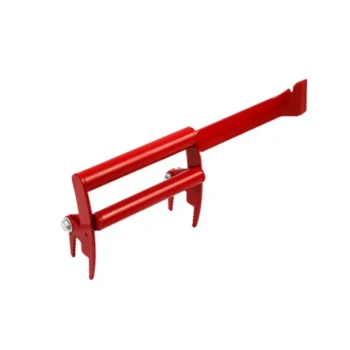
Essential Tools
Ensure you are wearing full protective gear. Light a smoker and ensure it is functioning well before approaching the hive.
The Transfer Procedure
Calming the Colony
Apply a small amount of smoke to the entrance of the nuc box to mask alarm pheromones. Gently smoke across the top bars of the frames once the cover is removed.
The "One-by-One" Rule
Move the frames individually. Do not attempt to grab multiple frames at once.
Lift each frame with slow, purposeful movements. Rapid or jerky motions can agitate the bees and increase the risk of harming the queen, who must be transferred safely for the colony to survive.
Maintaining the Sequence
Place the frames into the center of the permanent hive body. You must replicate the exact arrangement of the nucleus box.
If a frame was in position #1 in the nuc, it must be the first frame placed in the center group of the new hive. Do not rotate the frames; the front of the frame in the nuc must remain the front of the frame in the new hive.
Clearing the Nuc Box
Once all frames are transferred, there will likely be bees left inside the empty nuc box.
Invert the box over the permanent hive and tap it firmly. This will dislodge the remaining bees, causing them to fall into the new hive to join the colony.
Finalizing the Installation
Filling the Void
The permanent hive will now have empty space on either side of the transferred nucleus frames.
Add new, empty frames to both sides of the brood nest to fill the hive body to its full capacity (usually 8 or 10 frames total). This encourages outward expansion.
Resource Support
Place the inner cover on the hive. Add an empty hive box on top of the inner cover to house a feeder.
Provide the colony with 1:1 sugar syrup. This mimics a nectar flow and stimulates the bees to draw out wax on the new frames you just added.
Securing the Hive
Install the entrance reducer to its smallest or medium setting. This helps the small colony defend against robbers. Finally, replace the outer cover.
Common Pitfalls to Avoid
Breaking the Brood Nest
The most significant error is shuffling the order of the frames. The bees have organized their brood (eggs and larvae) in the warmest, most central part of the cluster.
Separating brood frames with honey frames or empty combs can fragment the cluster. This makes it difficult for nurse bees to regulate temperature, potentially killing the developing brood.
Crushing the Queen
Failing to leave that extra "buffer frame" of space in the new box is a safety hazard.
If the fit is too tight, sliding a frame down can crush the bees on the side bars. If the queen is on that sidebar, the colony is effectively doomed until she is replaced. Always ensure you have ample room to maneuver.
Making the Right Choice for Your Goal
The mechanics of the transfer are standard, but your focus may shift based on the colony's condition.
- If your primary focus is Rapid Comb Building: Prioritize heavy feeding with 1:1 syrup immediately after the transfer to fuel wax production on the new frames.
- If your primary focus is Queen Safety: Devote extra attention to the "buffer zone" spacing and slow movements, visually confirming the queen is safe on a frame before lowering it.
By respecting the colony's established order, you transform a traumatic move into a seamless upgrade.
Summary Table:
| Step | Action | Key Objective |
|---|---|---|
| Preparation | Remove N+1 frames from the center | Create a safety buffer to prevent crushing bees/queen. |
| Transfer | Move frames one-by-one in original order | Preserve the brood nest architecture and heat regulation. |
| Clearing | Tap remaining bees from nuc box into hive | Ensure the entire population, including the queen, is moved. |
| Expansion | Add new frames to the sides | Provide space for growth without splitting the brood nest. |
| Support | Feed 1:1 sugar syrup | Stimulate wax production and help bees draw out new comb. |
Scale Your Apiary Operations with HONESTBEE
Transitioning from nucleus colonies to full-scale production requires the right infrastructure. HONESTBEE specializes in supporting commercial apiaries and distributors with high-performance beekeeping solutions. From precision-engineered hive-making machinery to professional honey-filling lines, we provide the tools you need to grow your business.
Whether you are expanding your colony count or sourcing premium consumables, our wholesale offering is designed for reliability and efficiency.
Ready to upgrade your equipment? Contact us today to explore our full catalog and wholesale pricing.
Related Products
- 5 Frame Wooden Nuc Box for Beekeeping
- Automatic Heat Preservation 6 Frame Pro Nuc Box for Honey Bee Queen Mating
- 4 Frame Plastic Nuc Boxes for Beekeeping Bee Nuc Box
- Styrofoam Mini Mating Nuc Box with Frames Feeder Styrofoam Bee Hives 3 Frame Nuc Box
- Plastic Transporting Bee Packages and Nuc Boxes for Beekeeping
People Also Ask
- What are the options for adding frames to a nuc after taking two frames from the parent colony?
- What frames should be moved into the queenless hive when requeening with a nuc? Ensure a Successful Queen Introduction
- What roles do five-frame nucleus boxes and ten-frame Langstroth hive boxes play in colony standardization?
- What is the primary function of five-frame nuclei boxes? Master Early Colony Establishment for Stronger Hives
- What is the typical composition of frames in a nuc? A 5-Frame Blueprint for a Thriving Hive