The "Cut-Comb" method is a technique where honey is harvested by removing the entire wax structure intact rather than separating the liquid honey from the comb. Instead of spinning or crushing the frames, you use a sharp knife to slice square sections of sealed honeycomb directly from the frame. This method produces a gourmet product where the honey remains sealed in its natural wax cells, ready for consumption.
Core Takeaway Unlike mechanical extraction that separates liquid honey from wax, the Cut-Comb method preserves the honeycomb in its natural state. It requires specific hive preparation—specifically the absence of reinforced foundation—and concludes with a critical freezing step to ensure the product is pest-free and food-safe.
The Prerequisites for Success
The Necessity of Proper Foundation
This method is strictly limited by the hardware used in the hive. You cannot use frames with plastic foundation, wires, or thick reinforced wax.
Cut-Comb requires frames with no foundation at all or special "thin surplus" foundation. The consumer eats the wax, so it must be delicate and free of artificial supports.
Selecting the Ideal Comb
Not every frame is suitable for this method, even if it lacks foundation. You must select combs that are new and light-colored.
Critically, you should never use comb that has previously contained bee brood (larvae). Old or dark comb is tough and unsuitable for direct consumption.
The Extraction Process
Precision Cutting
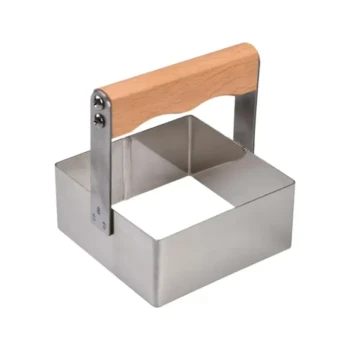
The goal is to maintain the structural integrity of the honeycomb. You must use a sharp knife to cut squares of comb.
Great care must be taken to avoid crushing the delicate wax cells at the edges of the cut. Crushed cells leak honey, which degrades the appearance and makes packaging difficult.
Hygiene and Storage
Because the comb is handled directly and not filtered, hygiene is paramount. The work area must be free of dirt, and personal hygiene (clean hands, tied hair) is non-negotiable.
Once cut, the sections should be placed immediately into food-safe containers. Store them in a single layer to prevent the weight of stacked combs from crushing the bottom layers.
Safety and Preservation
The Freezing Requirement
Harvesting the comb is not the final step. The cut sections must be treated to prevent infestation by common hive pests.
You must freeze the cut comb for at least one to two nights before consumption or sale. This ensures that any potential eggs from wax moths or hive beetles are effectively killed.
Understanding the Trade-offs
Equipment Limitations
If your hives are already set up with standard plastic or wired foundations, you cannot use this method. You would need to switch to the "Crush-and-Strain" method or a centrifugal extractor to harvest from those frames.
Wax Regeneration
When you harvest Cut-Comb, you are removing the wax along with the honey. This means the bees must consume significant energy and honey resources to rebuild that wax next season, potentially lowering overall honey yields compared to spinning frames and returning the empty comb to the hive.
Making the Right Choice for Your Goal
To determine if the Cut-Comb method aligns with your current apiary setup and production goals, consider the following:
- If your primary focus is liquid honey production: Avoid this method; use an extractor or the "Crush-and-Strain" technique to separate the honey and potentially reuse the wax.
- If your primary focus is producing a gourmet, unprocessed product: Use the Cut-Comb method, ensuring you have installed foundationless or thin-foundation frames ahead of the honey flow.
By respecting the fragile nature of the wax and adhering to strict freezing protocols, you can produce a premium product that offers the most natural honey experience possible.
Summary Table:
| Feature | Cut-Comb Method | Traditional Extraction |
|---|---|---|
| Final Product | Natural wax comb with honey | Liquid honey (separated) |
| Equipment Needed | Sharp knife, food-safe containers | Centrifugal extractor, filters |
| Foundation Type | None or "Thin Surplus" wax | Plastic, wired, or reinforced wax |
| Bee Energy Use | High (must rebuild entire comb) | Low (empty comb is reused) |
| Safety Step | Mandatory 24-48 hour freezing | Standard filtering/settling |
| Market Value | Premium / Gourmet | Standard Bulk / Retail |
Elevate Your Apiary's Production with HONESTBEE
Whether you are producing gourmet cut-comb honey or high-volume liquid honey, HONESTBEE provides the professional-grade tools you need to succeed. We cater to commercial apiaries and global distributors with a complete wholesale portfolio, including:
- Specialized Machinery: Honey-filling machines and automated hive-making equipment.
- Beekeeping Essentials: High-quality frames, foundationless setups, and protective gear.
- Consumables & Merchandise: Everything from industry-standard consumables to honey-themed cultural goods.
Partner with a supplier that understands the scale of your business. Contact HONESTBEE today to discuss our wholesale offerings and how we can streamline your honey production and distribution.
Related Products
- Stainless Steel Jack Type Honey Comb Press Machine Wax and Honey Separator
- Heavy Duty Stainless Steel Honeycomb Cutter
- Professional Honey Uncapping Fork Tool with Customizable Tine Options
- Electric Honey Press Machine for Squeezing Honey Comb Press Equipment
- Professional Wide Blade Honey Scraper for Beekeeping and Honey Processing
People Also Ask
- Can you heat honey to separate from wax? A Guide to Preserving Honey Quality
- How do you separate honey from wax at home? A Simple Guide to Zero-Waste Harvesting
- How do you separate honey from wax cappings? Choose the Best Method for Your Harvest
- How do I separate honey from wax? A Two-Stage Process for Maximum Yield
- What temperature does wax separate from honey? Achieve Clean, Efficient Honey Rendering