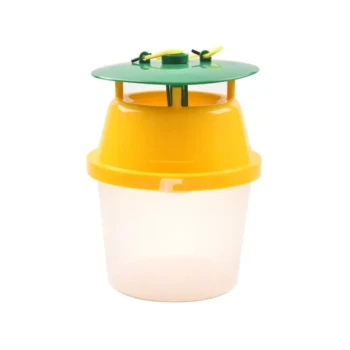
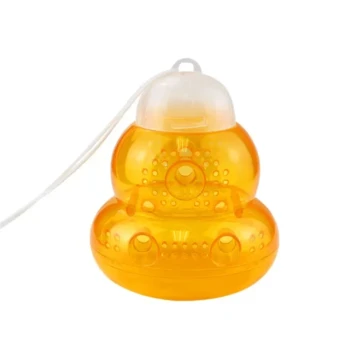
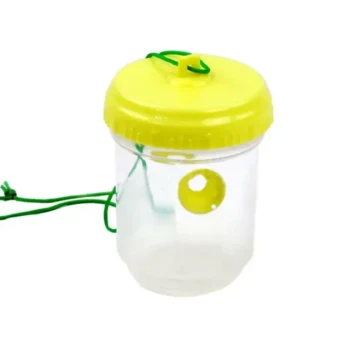
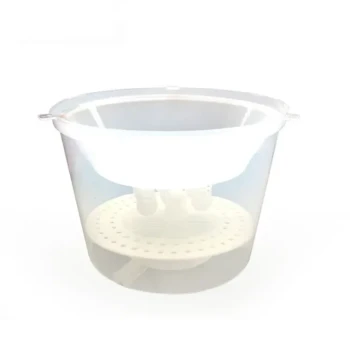
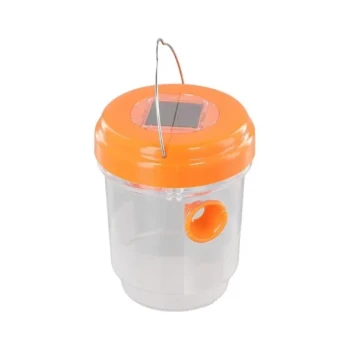
The design logic of baited traps relies on the systematic exploitation of Vespa velutina’s biological drives. These devices are engineered to leverage the hornet's aggressive predatory nature and acute sense of smell, using specific lures to draw them into a confined, fixed area. By simulating high-value resources like proteins or sugars, the trap converts the insect's natural foraging instinct into a fatal vulnerability.
Core Takeaway: Baited traps function as dual-purpose tools for both physical elimination and strategic intelligence. By targeting the hornet's olfactory sensitivity to specific nutrients, these industrial-grade devices not only reduce population numbers but also provide essential data on invasion dynamics and the efficacy of broader control measures.
Exploiting Biological Vulnerabilities
The fundamental principle of these traps is to create an artificial resource that is more compelling than the surrounding natural environment.
Targeting Olfactory Sensitivities
Vespa velutina relies heavily on chemical signals to locate food. Traps are designed to emit strong olfactory cues that mimic the scent profiles of the hornet's preferred resources. By utilizing protein-based or sugar-based baits, the trap creates a "scent plume" that attracts hornets from a distance.
Leveraging Predatory Instincts
The hornet is naturally an aggressive forager. The trap design encourages this behavior by presenting a source of food in a fixed area. Once the hornet enters the device to secure the bait, the mechanical design prevents escape, effectively using the insect's own drive for sustenance against it.
The Dual Strategic Purpose
While often viewed simply as elimination devices, the primary reference highlights that these traps serve a critical role in data collection and strategy assessment.
Monitoring Population Dynamics
Traps act as sensors in the field. By analyzing catch rates across different locations, pest controllers can map the distribution of the invasive population. This allows for the tracking of invasion fronts and helps predict where the species is likely to spread next.
Evaluating Efficacy
The trap serves as a metric for success. High capture numbers indicate active infestations, while declining numbers over time can validate the effectiveness of other pest control strategies. This feedback loop is essential for adapting tactics during an active eradication campaign.
Understanding the Trade-offs
While effective, the reliance on biological lures introduces specific limitations that must be managed.
Biological Specificity
Because the traps rely on general attractants like sugar and protein, they are not always perfectly selective. There is an inherent risk of attracting non-target species, meaning the trap design must balance attraction potency with mechanisms to exclude native pollinators where possible.
Maintenance Intensity
The effectiveness of the trap is entirely dependent on the freshness of the bait. Because these are organic lures, they degrade over time. Consistent monitoring is required not just to count the catch, but to replenish the bait so the olfactory signal remains strong enough to compete with natural food sources.
Strategic Implementation for Pest Management
To maximize the utility of baited traps, you must align their deployment with your specific operational phase.
- If your primary focus is immediate suppression: Deploy high-density traps with potent protein or sugar baits in fixed areas to maximize the physical removal of foraging hornets.
- If your primary focus is strategic planning: Utilize the traps as a distributed sensor network to monitor population dynamics and verify if your current control measures are working.
By turning the hornet's biological needs into a tactical weakness, baited traps provide a scalable solution for both understanding and combating this invasive species.
Summary Table:
| Feature | Logic & Implementation | Strategic Value |
|---|---|---|
| Attractant Basis | Uses protein or sugar-based lures to mimic high-value resources. | Exploits olfactory sensitivity to draw hornets from a distance. |
| Mechanical Design | Creates a fixed entry area that prevents escape once the hornet enters. | Converts foraging instincts into a fatal physical vulnerability. |
| Monitoring Role | Tracks catch rates across various geographic sensors. | Maps invasion fronts and provides data on population dynamics. |
| Efficacy Testing | Measures fluctuations in capture numbers over time. | Validates the success of broader pest control and eradication tactics. |
Secure Your Apiaries with Professional Grade Solutions
Protecting your honeybee populations from Vespa velutina requires more than just basic traps; it requires a strategic partnership. HONESTBEE specializes in supporting commercial apiaries and distributors with high-performance beekeeping tools and industrial-grade machinery.
Why partner with HONESTBEE?
- Comprehensive Wholesale Catalog: From specialized hardware to hive-making and honey-filling machines.
- Industry-Leading Equipment: We provide the full spectrum of tools designed to withstand the rigors of commercial beekeeping.
- Tailored Support: Whether you are scaling an operation or stocking a distribution network, our consumables and hardware ensure peak efficiency.
Take control of your apiary management today. Contact us now to explore our wholesale offerings and let us help you safeguard your investment.
References
- Krystal L. Ashman, Cameron Jack. Yellow-Legged Hornet (suggested common name), Vespa velutina (Lepeletier 1836) (Insecta: Hymenoptera: Vespidae). DOI: 10.32473/edis-in1282-2020
This article is also based on technical information from HonestBee Knowledge Base .
Related Products
- Reusable Aluminium Beetle Trap for Small Hive Beetles Silver Bullet
- Professional Bucket Style Wasp and Moth Pheromone Trap
- HONESTBEE Collapsible Tiered Bee Swarm Catcher for Beekeeping
- Black Plastic Beetle Barn Hive Beetle Trap for Beehives
- Plastic Beetle Blaster Trap Beekeeping Tools and Supplies
People Also Ask
- How should powdered substances be used in beetle traps for hive beetle control? Expert Guide for Maximum Colony Protection
- Why are beetle traps less effective during winter? Seasonal Shifts in Pest Control Explained
- When is the best time to use small hive beetle traps in cold climates? Protect Your Honeybee Winter Stores Now
- When and how should disposable traps for small hive beetles be removed? Master Hive Hygiene and Efficiency
- How do small hive beetle traps contribute to colony management? Enhance Diagnostic Accuracy and Protect Hive Health