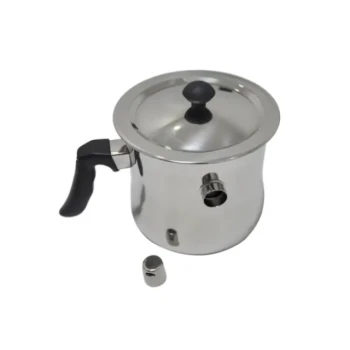
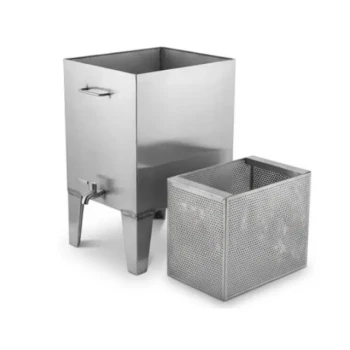
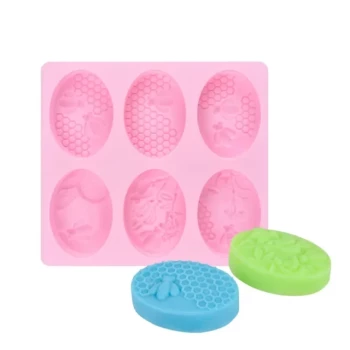
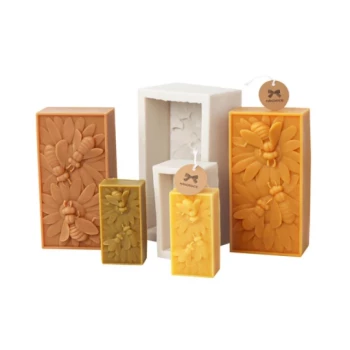
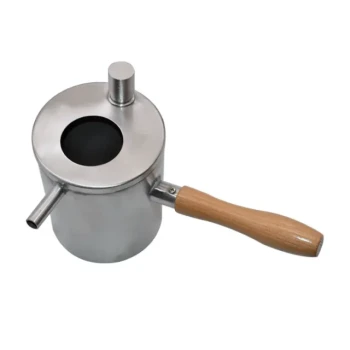
The easiest and most common way to melt beeswax is by using a double boiler. This simple setup involves placing a heat-proof container of beeswax over a larger pot of simmering water, allowing the gentle, indirect heat from the steam to melt the wax safely and evenly.
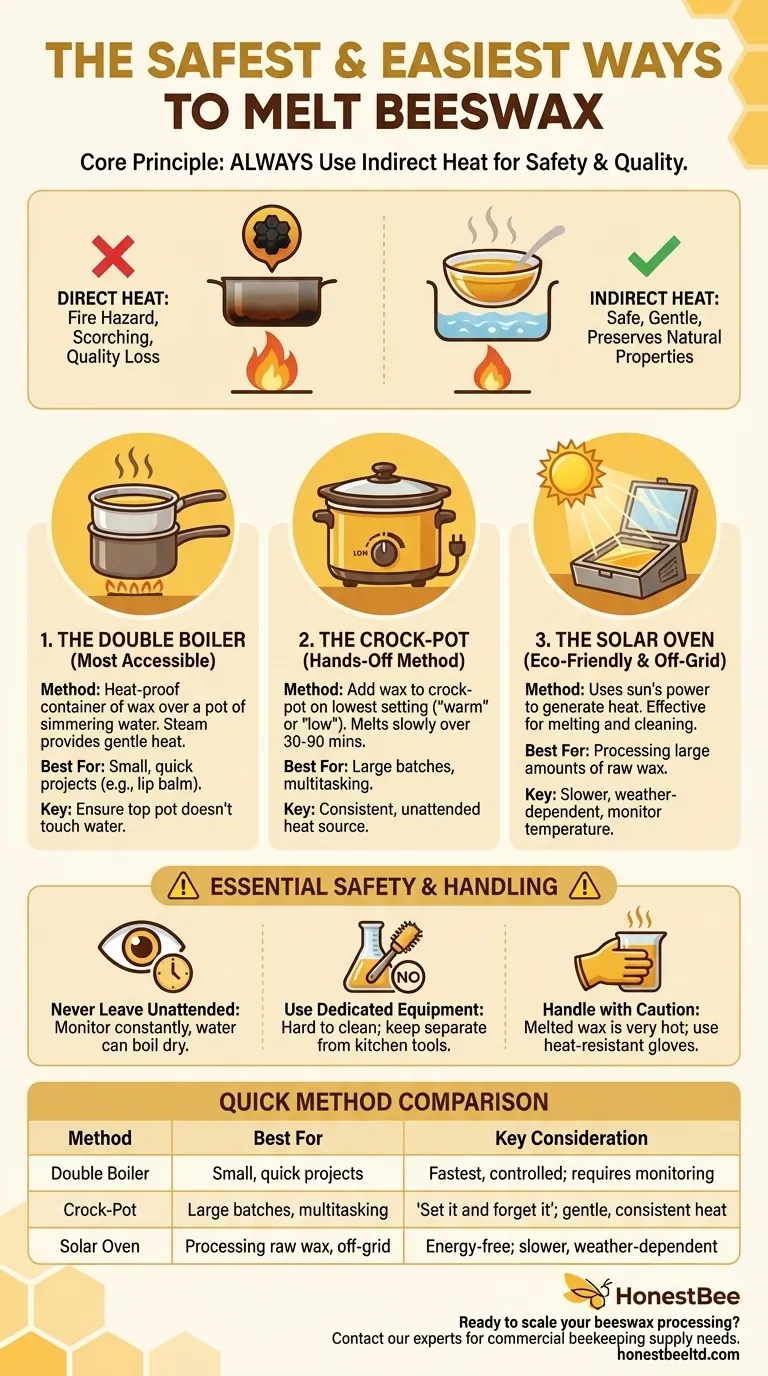
The core principle is not the specific tool, but the technique: always use indirect heat. Direct heat from a stove or open flame can easily scorch the beeswax, damage its natural properties, and create a serious fire hazard.

Why Indirect Heat is Non-Negotiable
Melting beeswax is simple, but overlooking the "why" behind the method can lead to poor results and dangerous situations. Direct heat is the primary cause of problems.
The Danger of Fire
Beeswax is a flammable material. When heated directly, it can quickly reach its flash point of approximately 400°F (204°C), at which point it can ignite. Using a buffer of simmering water (which cannot exceed 212°F or 100°C) makes it impossible to overheat the wax to this dangerous temperature.
Preserving Beeswax Quality
Aggressive, direct heat degrades the quality of the wax. To retain its natural color, subtle honey aroma, and beneficial anti-microbial properties, beeswax should ideally not be heated above 175°F (79°C). Overheating will darken the wax and diminish its scent.
Avoiding Scorching and Uneven Melting
Placing a pot of beeswax directly on a burner creates intense hot spots. The wax at the bottom will scorch and burn long before the wax at the top has even begun to melt, resulting in a ruined, discolored batch.
Exploring Your Melting Options
While the principle of indirect heat is constant, you can achieve it with a few different tools, each suited for different needs.
The Double Boiler (Most Accessible)
This is the standard method for a reason. You simply heat a large pot with a few inches of water and rest a smaller, heat-proof bowl or saucepan containing the beeswax over it. The key is to ensure the bottom of the top container does not touch the water, allowing steam to do the work.
The Crock-Pot or Slow Cooker (Hands-Off Method)
For larger batches or for times when you can't monitor the stove constantly, a crock-pot is an excellent choice. Set it to its lowest setting ("warm" or "low"), add the beeswax, and let it melt slowly over 30-90 minutes. It provides a very gentle, consistent, and unattended heat source.
The Solar Oven (Eco-Friendly and Off-Grid)
A solar oven uses the power of the sun to generate gentle heat. This is an effective, energy-free method for melting and cleaning large amounts of raw beeswax. However, it is slower and entirely dependent on the weather, and you must still monitor the temperature to ensure it doesn't get too hot.
Essential Safety and Handling Practices
Regardless of your chosen method, safety must be your top priority.
Never Leave Melting Wax Unattended
This is the most important rule. A pot of water can boil dry, or conditions can change unexpectedly. Always stay present and monitor the process.
Use Dedicated Equipment
Beeswax is notoriously difficult to clean from kitchen utensils and pots. It's highly advisable to use dedicated equipment that you set aside exclusively for your wax-working projects.
Handle Hot Wax With Caution
Melted beeswax is extremely hot and can cause severe burns. Always use heat-resistant gloves and pour the melted wax carefully into appropriate molds or containers.
A Note on Cleaning Beeswax
If you are working with raw, unfiltered beeswax, you can add some water to the pot while it melts. As the mixture cools, most of the dirt and impurities will sink to the bottom and separate from the clean, solidified wax on top.
Making the Right Choice for Your Project
Your ideal method depends entirely on the scale and context of your task.
- If your primary focus is a small, quick project like making lip balm: Use a double boiler on your stovetop for fast, controlled results.
- If your primary focus is a large batch of candles or multitasking: Use a crock-pot or slow cooker for its larger capacity and "set it and forget it" convenience.
- If your primary focus is processing raw wax from a hive: Use a solar oven for an energy-efficient way to melt and filter large quantities.
Ultimately, choosing any method that provides gentle, indirect heat will ensure you melt your beeswax safely and effectively.
Summary Table:
| Method | Best For | Key Consideration |
|---|---|---|
| Double Boiler | Small, quick projects (e.g., lip balm) | Fastest, most controlled method; requires monitoring. |
| Crock-Pot / Slow Cooker | Large batches or multitasking | 'Set it and forget it' convenience; gentle, consistent heat. |
| Solar Oven | Processing raw wax; off-grid/eco-friendly | Energy-free; slower and weather-dependent. |
Ready to scale your beeswax processing? As a leading wholesale supplier to commercial apiaries and distributors, HONESTBEE provides the high-capacity, durable equipment you need for efficient and safe melting. From large-scale melting tanks to professional-grade filtration systems, we help you increase output and maintain premium wax quality. Contact our experts today to discuss your commercial beekeeping supply needs.
Visual Guide
Related Products
- Beeswax Foundation Sheets Beehive Foundation for Wholesale
- Colorful Silicone Beeswax Foundation Mold Mould for Beekeeping
- Economy Manual Beeswax Embossing Mill Wax Foundation Machine Roller
- Beeswax Melter for Candle Making Honey Bee Wax Melter
- Electric Beeswax Flat Sheet Machine with Operating Tray for Wax Processing
People Also Ask
- What are the technical advantages of beeswax foundations and feeding tools? Optimize Your Bee Breeding Phase
- Why is the regular exchange and replacement of beeswax foundations encouraged? Boost Honey Yield & Hive Biosafety
- What are the negative consequences of using old or contaminated beeswax in foundations? Protect Your Hive Today
- Why is high-purity natural beeswax essential for foundations? Prevent Larval Mortality & Boost Colony Health
- What are the specific advantages of regular comb replacement? Boost Hive Health with New Beeswax Foundations