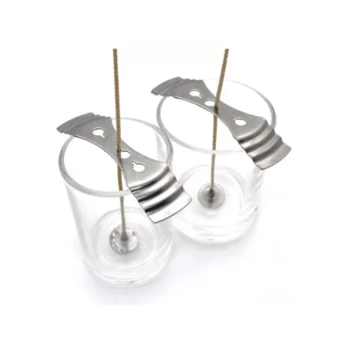
The economic value of candle-making equipment and beeswax consumables lies in transforming a low-cost by-product into a high-margin revenue stream. By leveraging specific molds and deep processing techniques, urban beekeepers can convert raw beeswax into artisanal products and educational experiences, effectively diversifying income beyond simple honey sales.
Core Takeaway Adopting candle-making infrastructure allows apiaries to monetize "waste" by creating value-added cultural products and hosting paid workshops. Simultaneously, investing in high-quality beeswax consumables improves colony efficiency by reducing the energy bees spend on comb building, directly increasing honey yields.
Turning By-Products into Direct Revenue
The Power of Deep Processing
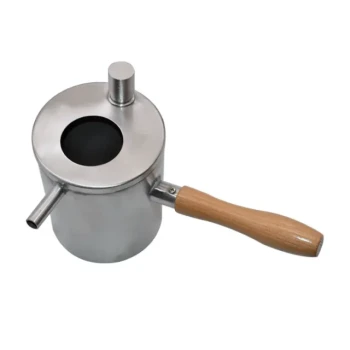
Raw beeswax is often treated as a secondary by-product with limited immediate value. Candle-making equipment allows for "deep processing," which dramatically increases the market value of this raw material.
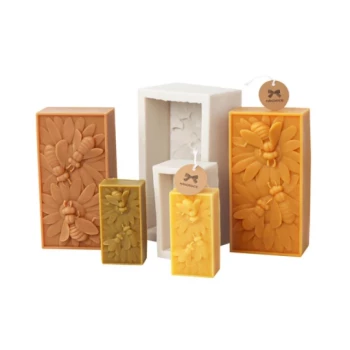
By utilizing specific molds to create artisanal products, beekeepers can enter the high-value market of cultural and craft goods. This process ensures the full utilization of hive output, minimizing waste and maximizing the return on investment for every pound of wax produced.
Monetizing the Experience Economy
The economic value extends beyond the physical product to the service sector. The primary reference highlights that this equipment enables interactive workshops.
These educational sessions create an entirely new revenue channel. Beekeepers can charge for the experience of candle making, enhancing the social presence of the apiary while securing financial sustainability through community engagement.
Increasing Yield Through High-Performance Consumables
Reducing Colony Energy Expenditure
While candle equipment generates sales, using high-quality beeswax consumables (such as comb foundations) improves production efficiency.
High-performance foundations guide bees to build neat honeycombs more rapidly. This reduces the biological energy required for wax secretion, a metabolically expensive process for the colony.
Maximizing Honey Output
When bees spend less energy secreting wax, they reallocate that energy toward nectar collection.
This shift in focus shortens the production cycle and directly increases the honey yield per hive. Therefore, the economic value of these consumables is realized through higher volumes of the primary product—honey—produced in less time.
Understanding the Trade-offs
Equipment Costs vs. Return
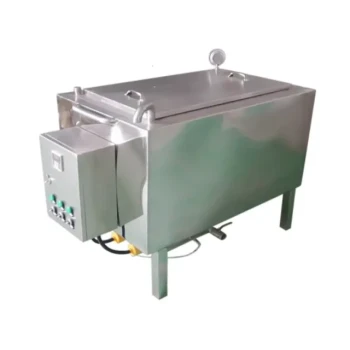
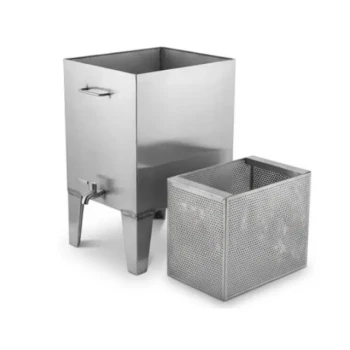
While deep processing increases revenue, it requires an upfront capital investment in molds, melters, and safety equipment. You must calculate the break-even point based on your expected volume of wax production to ensure the investment is viable.
Labor Intensity
Running interactive workshops and hand-pouring artisanal candles is labor-intensive. Unlike passive honey production, these activities require significant time and active management, which may detract from general apiary maintenance if not scheduled carefully.
Making the Right Choice for Your Goal
To maximize the economic potential of your urban apiary, match your equipment investment to your specific business model:
- If your primary focus is diversifying income: Invest heavily in diverse candle molds and workshop equipment to create a consumer-facing brand that sells both products and experiences.
- If your primary focus is maximizing honey production: Prioritize spending on high-quality comb foundations and feeding equipment to reduce bee fatigue and shorten production cycles.
Success in urban beekeeping requires balancing efficient biological inputs with creative commercial outputs.
Summary Table:
| Investment Area | Economic Benefit | Primary Outcome |
|---|---|---|
| Candle-Making Equipment | Deep processing of raw by-products | High-margin artisanal products & cultural goods |
| Workshop Kits | Monetizing the experience economy | New revenue streams via educational & social events |
| Premium Foundations | Reduced colony energy expenditure | Faster comb building and increased honey yields |
| Beeswax Consumables | Improved hive production efficiency | Shorter production cycles and maximized output |
Scale Your Beekeeping Business with HONESTBEE
Are you a commercial apiary or distributor looking to maximize the profitability of every hive? HONESTBEE provides the professional-grade tools you need to transform raw materials into high-value assets.
From high-precision candle-making molds and honey-filling machinery to essential beeswax foundations and hive-making equipment, our comprehensive wholesale portfolio is designed for industrial efficiency and retail success. Partner with us to access specialized hardware and honey-themed cultural merchandise that sets your brand apart.
Ready to elevate your production and diversify your revenue?
Contact HONESTBEE Today to explore our wholesale solutions and expert equipment support.
References
- Beata Kiersnowska. Be(e)ing Involved – Urban Beekeeping as a Vibrant Environmental and Cultural Movement in British Metropolitan Communities. DOI: 10.53052/17313317.2024.20
This article is also based on technical information from HonestBee Knowledge Base .
Related Products
- Beeswax Melter for Candle Making Honey Bee Wax Melter
- Beeswax Machine Press Embosser Wax Foundation Mold Printer Bee Hive Equipment Making Sheet
- Electric Flatting and Embossing Machine with Tray for Beekeeping
- 3D Square Honeycomb Pillar Silicone Candle Molds for Making Beeswax Candles
- Fully Automatic Beeswax Embossing Machine Foundation Mill
People Also Ask
- What is the best way to melt beeswax? Safely Preserve Quality with Indirect Heat
- What is the best way to melt beeswax? Use a Solar Wax Melter for Simple, Pure Results
- What types of beeswax melters are available for beekeepers? Choose the Right One for Your Operation
- What safety precautions should be taken when melting beeswax? A Guide to Flammable Wax Handling
- What types of beeswax melters are available for different scales of beekeeping? Solar vs. Electric Melters Compared