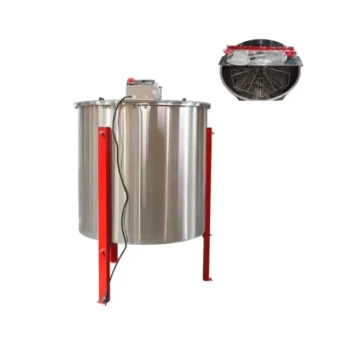
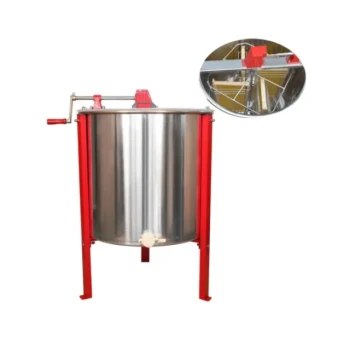
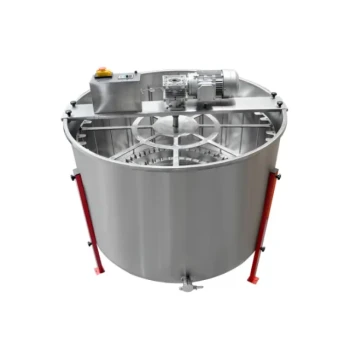
The primary function of a centralized centrifugal separation room is to industrialize the honey extraction process. It serves as a unified processing hub where honeycombs from multiple, scattered apiaries are brought together to be processed by automated, high-speed machinery. This facility replaces labor-intensive, localized extraction with a system designed for mass throughput and strict sanitary control.
The shift to a centralized room represents a move from artisanal beekeeping to industrial manufacturing. It allows producers to leverage automation to maximize yield while ensuring the final product meets the rigorous hygiene standards required for large-scale distribution.
The Mechanics of Centralized Processing
Unifying Dispersed Operations
In a traditional setup, extraction might occur at individual apiary sites. A centralized room flips this model.
It acts as a critical infrastructure hub, collecting raw honey frames from various small-scale locations. This consolidation allows for a continuous workflow, rather than stop-start processing at different field locations.
Automated Centrifugal Extraction
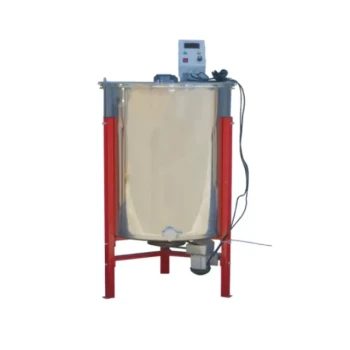
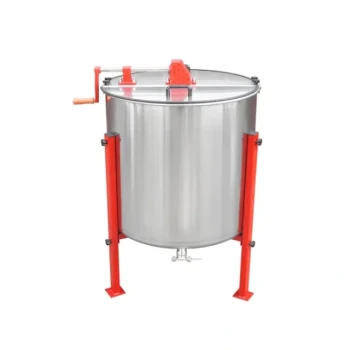
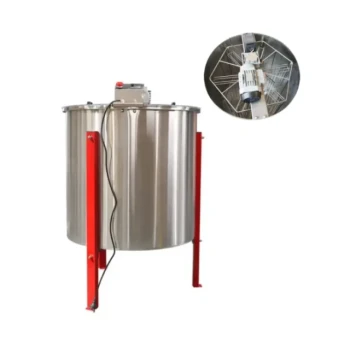
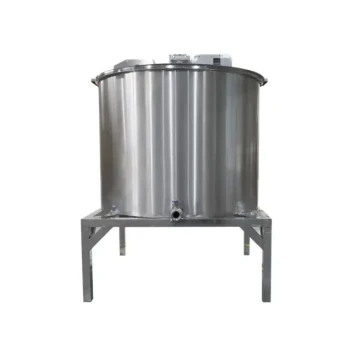
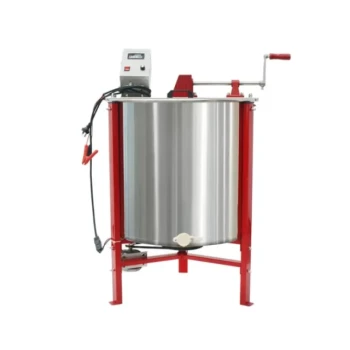
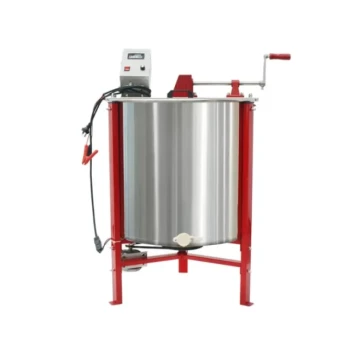
The core technology within this room is industrial-grade automated centrifugal equipment.
Unlike manual or small-scale extractors, these machines utilize high-speed rotation. This generates intense centrifugal force, which pulls honey out of the comb more completely and rapidly than smaller units can achieve.
Standardization and Quality Control
Ensuring High Hygiene Standards
One of the most significant advantages of centralization is environmental control.
Field extraction can be susceptible to contaminants. A centralized room is a controlled environment, making it significantly easier to maintain hospital-grade hygiene standards. This is essential for meeting food safety regulations in commercial markets.
Scalability and Standardization
This infrastructure is the backbone of standardized honey production.
By using identical automated processes for all harvests, producers ensure consistent quality across large batches. It removes the variability that comes from using different equipment or techniques at different sites.
Understanding the Trade-offs
High Upfront Investment
Establishing a centralized facility requires significant capital.
Beyond the cost of the building, the automated centrifugal equipment represents a major financial commitment compared to portable extractors. This creates a barrier to entry for smaller operations.
Logistics and Transport Complexity
Centralization simplifies extraction but complicates logistics.
Operators must transport full, heavy honey frames from the apiaries to the central room without damaging them. This often requires specialized transport vehicles and increases the risk of comb breakage during transit compared to extracting on-site.
Making the Right Choice for Your Goal
While centralized separation is the standard for commercial growth, its value depends on your operational scale.
- If your primary focus is massive scale: This infrastructure is non-negotiable, as it is the only way to process volume efficiently while maintaining uniformity.
- If your primary focus is regulatory compliance: A centralized room provides the controlled environment necessary to easily pass strict food safety inspections.
Centralization is not just about speed; it is the structural foundation for turning beekeeping into a scalable, industrial operation.
Summary Table:
| Feature | Field/Artisanal Extraction | Centralized Separation Room |
|---|---|---|
| Processing Speed | Low (Manual/Small-scale) | High (Industrial Automation) |
| Hygiene Level | Variable/High Contamination Risk | Controlled/Hospital-grade Standards |
| Consistency | Batch Variability | High Standardization |
| Logistics | Extract On-site | Transport Frames to Hub |
| Capital Investment | Low to Moderate | High (Infrastructure & Machinery) |
Elevate Your Commercial Beekeeping Operation with HONESTBEE
Transitioning to a centralized processing model requires reliable, industrial-grade infrastructure. At HONESTBEE, we specialize in empowering commercial apiaries and distributors with the tools needed for large-scale success. From high-speed automated centrifugal machinery and honey-filling systems to industrial hive-making equipment, our comprehensive wholesale portfolio ensures your production meets the highest standards of efficiency and food safety.
Whether you are scaling your honey output or seeking specialized industry consumables, our experts are here to provide tailored equipment solutions that maximize your yield and profitability.
Contact HONESTBEE Today to Modernize Your Extraction Process
References
- Eduardo Clemente Alves, Celso Augusto Rimoli. Innovation in Small Business Networks: A Case Study in the Beekeeping Sector. DOI: 10.2139/ssrn.4065490
This article is also based on technical information from HonestBee Knowledge Base .
Related Products
- electric honey extractor honey centrifuge 3 frame honey extractor stainless steel honey frame extractor
- Manual Hand Crank 4 Frame Honey Extractor Centrifuge for Beekeeping
- Professional 4 Frame Self Reversing Electric Honey Extractor for Beekeeping
- Electric 4 Frame Tangential Honey Extractor
- 24 Frame Honey Extractor Commercial Radial Honey Frame Extraction Machine
People Also Ask
- What are the characteristics of electric honey extractors? Boost Your Apiary Efficiency with Automated Technology
- What are the disadvantages of using an electric honey extractor? Weighing Cost, Power, and Comb Safety
- What are the advantages of an electric honey extractor? Boost Efficiency and Scale Your Honey Production
- What are the technical advantages of electric honey extractors? Maximize Yield and Protect Your Bee Colony
- How does an electric honey extractor affect the quality of honey? Preserve Flavor & Purity with Precision Extraction