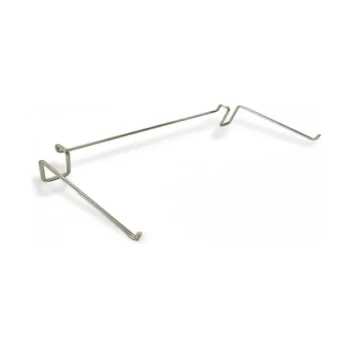
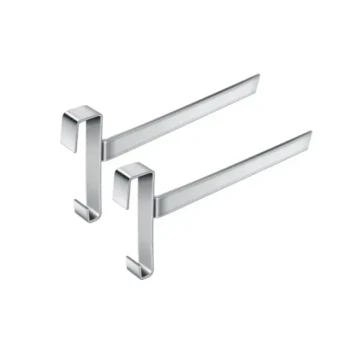
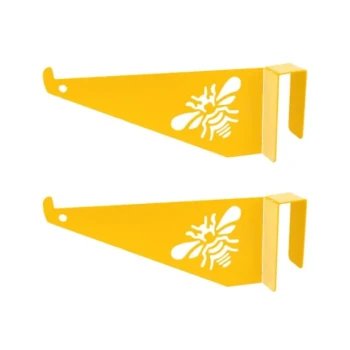
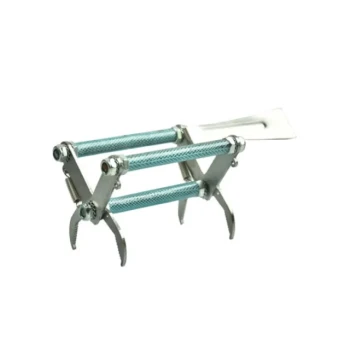
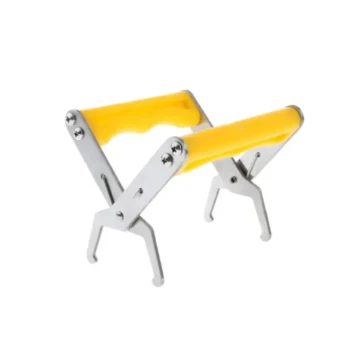
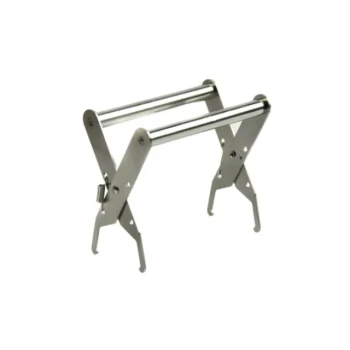
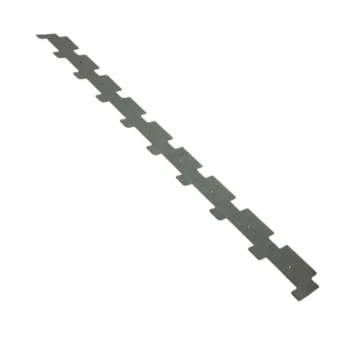
A frame perch acts as a temporary rack that hooks securely onto the rim of a hive body. Its primary function is to hold frames outside the hive box during an inspection, freeing up internal space so you can manipulate the remaining frames without crushing bees or rolling the queen.
The frame perch serves as a "third hand" during inspections, creating essential working void space inside the hive while keeping removed frames hygienic and off the ground.
Optimizing Hive Workflow
To understand the value of a frame perch, you must look beyond the simple act of holding a frame. It fundamentally changes the mechanics of a hive inspection.
Creating Critical Maneuvering Space
When you first open a hive, the frames are packed tightly together due to propolis and brace comb. Removing the first frame is often the most difficult step.
Once the first one to three frames are removed and placed on the perch, a large void is created within the hive body.
This void allows you to slide the remaining frames laterally before lifting them, significantly reducing friction and rolling potential.
Enhancing Hygiene and Safety
Without a perch, beekeepers often lean frames against the hive stand or lay them on the ground.
This exposes the comb to dirt, grass, and opportunistic pests like ants. It also increases the risk of accidentally kicking a frame or crushing bees attached to the bottom bar.
The frame perch suspends the frames in the air, keeping the comb clean and the bees safe from ground-level hazards.
Enabling Hands-Free Operation
Inspecting a hive requires significant manual dexterity. You often need to manipulate a hive tool, mark a queen, or take notes.
The perch serves as a secure docking station, allowing you to go completely hands-free without putting the frames back into the crowded box.
This keeps the frames organized and prevents them from being knocked over, a common issue when propping them against the hive.
Material and Capacity
Most professional frame perches are constructed from stainless steel.
Durability and Cleanliness
Stainless steel ensures the tool is robust enough to hold the weight of honey-heavy frames without bending.
It also allows for easy cleaning and sterilization, which is critical for preventing cross-contamination of diseases between hives.
Capacity Limits
A standard perch typically holds three frames.
This specific number is intentional; removing three frames provides optimal working space inside the box without making the perch unwieldy or unbalanced.
Understanding the Trade-offs
While highly useful, a frame perch introduces specific variables you must manage.
Weight Distribution
When you hang three heavy frames filled with honey or brood on one side of a hive box, you significantly alter the center of gravity.
If the hive box is empty or light, this added weight could theoretically tip the box, though this is rare with standard equipment.
Exposure to Elements
Frames sitting on a perch are fully exposed to the open air, wind, and ambient temperature.
During cold days or in direct, scorching sunlight, leaving sensitive brood frames on the perch for extended periods can harm the developing bees.
Making the Right Choice for Your Goal
The decision to use a frame perch depends on your inspection style and local conditions.
- If your primary focus is Pest Management and Hygiene: The perch is essential because it keeps comb off the ground, preventing contamination and discouraging ants.
- If your primary focus is Colony Safety: The perch is highly recommended as it creates the void space necessary to prevent rolling the queen or crushing bees during frame manipulation.
A frame perch transforms a cramped, precarious inspection into an organized, ergonomic process.
Summary Table:
| Feature | Key Function & Benefit |
|---|---|
| Primary Role | Acts as a "third hand" to hold frames outside the hive body during inspection. |
| Space Creation | Creates a void inside the box to allow lateral movement and prevent bee rolling. |
| Hygiene | Keeps honeycombs and brood off the ground, avoiding pests and dirt. |
| Construction | Typically made of durable, easy-to-sterilize stainless steel. |
| Capacity | Designed to hold up to 3 frames to optimize workspace without tipping. |
Elevate Your Beekeeping Operations with HONESTBEE
Are you looking to scale your apiary or restock your distribution channels? HONESTBEE specializes in serving commercial apiaries and distributors with a comprehensive wholesale portfolio. We offer more than just tools; we provide the backbone of successful beekeeping businesses, including:
- Professional Hardware: High-durability stainless steel tools and specialized hive-making machinery.
- Efficiency Solutions: Precision honey-filling machines and industrial-grade equipment.
- Essential Consumables: A wide array of supplies to keep your colonies thriving.
- Cultural Merchandise: Unique honey-themed products to diversify your retail offerings.
Contact HONESTBEE today to discuss wholesale opportunities and custom equipment solutions.
Related Products
- Heavy-Duty Stainless Steel Frame Perch
- Heavy-Duty Stainless Steel Clip-On Frame Perch
- Heavy-Duty T-Style Frame Perch
- Heavy Duty Laser Cut Bee Design Metal Frame Perch
- Yellow Plastic Bucket Pail Perch for Beekeeping
People Also Ask
- How many frames can a frame perch hold? Optimize Your Hive Inspections with the Right Tool
- What options are available for the frame perch? Choose Between 1-Piece or 2-Piece Designs
- What is an alternative name for a frame perch? Discover the Essential Frame Rest for Easier Hive Management
- What is the purpose of a frame perch in beekeeping? A Safer, More Organized Hive Inspection
- What is a frame perch and what is its purpose? Streamline Your Hive Inspections