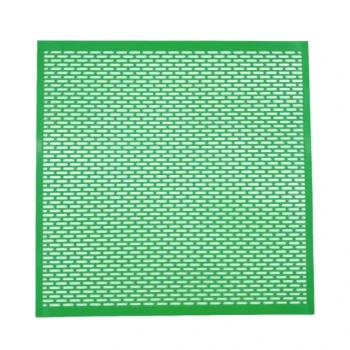
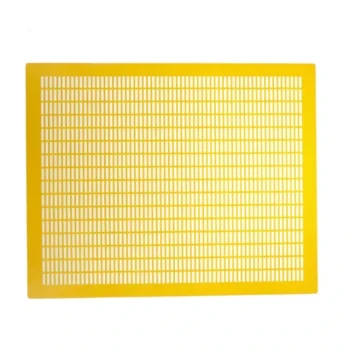
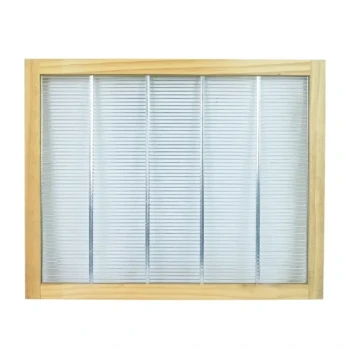
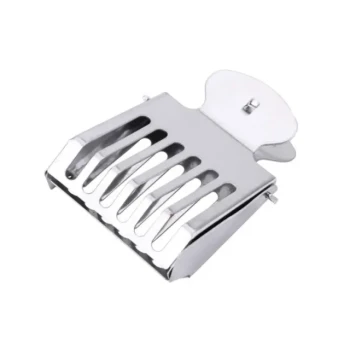
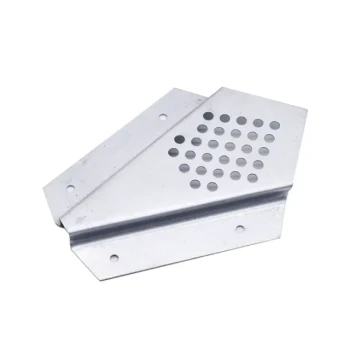
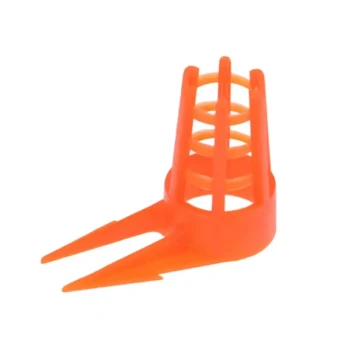
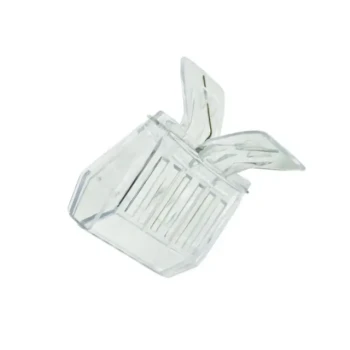
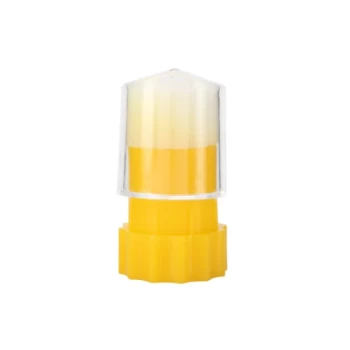
A queen excluder is a specialized mechanical barrier used to compartmentalize a beehive based on bee anatomy. Placed horizontally between the brood chamber (bottom) and the honey supers (top), its precise grid spacing allows smaller worker bees to pass through freely while physically blocking the larger queen bee from entering the upper levels.
The core purpose of the excluder is to segregate egg-laying from food storage. By confining the queen to the brood box, beekeepers ensure that the honey harvested from the supers is completely free of brood (eggs and larvae).
The Mechanics of Hive Segmentation
Precision Filtration
The excluder operates on a strict physical principle: size differentiation. The slots in the mesh—whether made of metal wire or plastic—are calibrated to a specific width.
This width is wide enough for the slender thorax of a worker bee to navigate without injury. However, the queen’s thorax and abdomen are too large to fit through the gap, effectively trapping her in the designated lower chamber.
Maintaining Honey Purity
Without an excluder, a productive queen will naturally move upward seeking empty cells to lay eggs, especially if the lower brood nest becomes congested.
If the queen lays eggs in the honey supers, the harvesting process becomes problematic. Extraction machinery can damage developing larvae, contaminating the honey with protein fluids and ruining the "clean" separation required for high-quality production.
Operational Utility for the Beekeeper
Efficient Inspections
Using an excluder simplifies hive management by creating a predictable location for the queen.
Because the queen is physically restricted to the bottom boxes, beekeepers do not need to search the upper honey supers during routine inspections. This reduces the time the hive is open and minimizes disturbance to the colony.
Specialized Colony Management
Beyond honey production, the excluder has secondary uses in colony manipulation.
For example, when transferring a colony or hiving a swarm, an excluder can be temporarily placed at the hive entrance. This prevents the queen from flying away (absconding) while the colony stabilizes and begins building comb.
Understanding the Trade-offs
Impact on Drone Movement
It is critical to note that drones (male bees) are also larger than worker bees and typically cannot pass through a standard queen excluder.
If an excluder is placed above a box containing drones, they will be trapped in that section. Conversely, drones hatched in the honey supers above an excluder cannot exit the hive to defecate or mate, which can lead to sanitation issues or drone mortality within the supers.
"Honey Excluder" Debate
Some beekeepers argue that excluders can act as a "honey excluder" if not managed correctly.
If the grid is too sharp or filled with propolis (bee glue), it may discourage worker bees from passing through to store nectar. This can artificially limit the honey crop if the workers perceive the barrier as impassable.
Making the Right Choice for Your Goal
Deciding to use a queen excluder depends on your specific objectives for the hive.
- If your primary focus is commercial-grade honey harvesting: Use an excluder to guarantee brood-free frames, which simplifies mechanical extraction and ensures product purity.
- If your primary focus is unrestricted colony growth: You may choose to omit the excluder to allow the queen maximum freedom, accepting that you may need to sort through frames carefully during harvest.
Ultimately, the queen excluder is a tool of control, trading total colony freedom for the beekeeper's ability to strictly manage where resources are stored and where the next generation is raised.
Summary Table:
| Feature | Function & Purpose | Impact on Beekeeping |
|---|---|---|
| Physical Barrier | Calibrated slots allow workers through but block the larger queen. | Confines brood rearing to the lower chambers. |
| Honey Quality | Prevents eggs and larvae from being laid in honey supers. | Guarantees clean, protein-free honey for extraction. |
| Hive Management | Limits the queen's location to the brood box. | Speeds up inspections and simplifies colony control. |
| Drone Handling | Restricts drone movement due to their large size. | Requires management to prevent drone trapping in supers. |
Elevate Your Commercial Apiary with HONESTBEE
Maximize your honey production efficiency and maintain the highest standards of purity with professional-grade hive components. HONESTBEE specializes in supporting commercial apiaries and distributors with a comprehensive wholesale selection of beekeeping tools.
Whether you need precision-engineered queen excluders, high-capacity honey-filling machines, or specialized hive-making hardware, we provide the full spectrum of equipment and industry consumables to scale your operations.
Ready to streamline your harvest and grow your business?
Contact HONESTBEE today for wholesale pricing and expert equipment solutions!
Related Products
- High Performance Plastic Queen Excluder for Beekeeping and Apiary Management
- Professional Plastic Queen Excluder for Modern Beekeeping
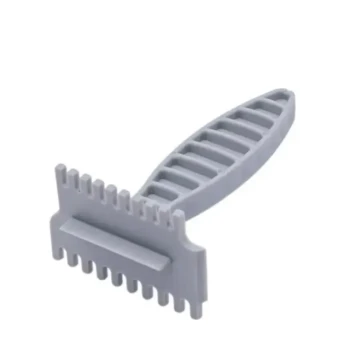
- Lightweight Durable Plastic Queen Excluder Scraper for Beekeeping
- Metal Queen Bee Excluder for Beekeeping
- Premium Wood Framed Metal Wire Queen Bee Excluder
People Also Ask
- What are the characteristics of a plastic queen excluder? Key Benefits for Cost-Effective Beekeeping
- What are the operational and cost advantages of using plastic queen excluders over metal or wire excluders in commercial hive management? Discover how they reduce labor, prevent wing damage, and lower total costs.
- What types of queen excluders are available for beekeepers? Choose the Right Tool for Your Hive
- Why are standardized hive frames and queen excluders essential for maintaining honey purity and quality? Scale Your Purity
- Do plastic queen excluders work? A Cost-Effective Solution for Modern Apiaries