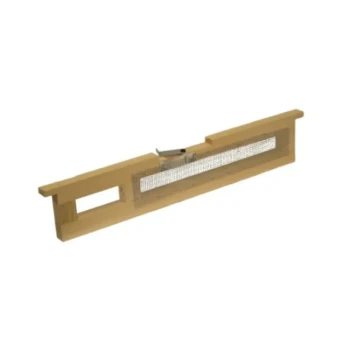
A specialized egg-laying frame acts as a precision control tool designed to restrict the queen bee to a specific, confined area for egg deposition. Its primary function is to concentrate oviposition to ensure the production of larvae that are uniform in age and densely packed, which is the fundamental requirement for the comb-cutting method of queen rearing.
By forcing the queen to lay in a designated zone, this frame creates a standardized block of brood. This eliminates the need to hunt for larvae across scattered areas, allowing breeders to cut entire strips of natural comb for immediate use in queen cell production.
Optimizing the Workflow
Achieving Larval Uniformity
The primary operational challenge in queen rearing is identifying larvae of the exact same age. The specialized frame confines the queen, forcing her to lay eggs in a burst within a controlled window of time.
This results in a brood frame where every larva is at the identical stage of development. This consistency is critical for synchronizing the emergence of virgin queens later in the cycle.
Enabling the Comb-Cutting Technique
Because the larvae are concentrated rather than scattered, the comb becomes a consistent "base material."
This density allows breeders to use comb-cutting knives to slice long strips of brood quickly. Without this concentration, the comb-cutting method would be inefficient, as you would likely cut through empty cells or larvae of incorrect ages.
Why This Matters for Apis cerana
Bypassing Plastic Rejection
Apis cerana has a highly sensitive olfactory system and often rejects the plastic cups used in traditional grafting.
By using the specialized frame, you produce larvae in natural beeswax. When these strips are cut and mounted, the colony perceives only natural hive materials, significantly reducing the rejection rate.
Removing the Need for Grafting
Traditional grafting requires lifting fragile larvae with delicate tools, risking physical injury.
The specialized frame supports a "cut and mount" approach. This moves the larvae while they remain safely inside their original wax cells, preserving the natural hive environment and ensuring the larvae remain uninjured.
Understanding the Trade-offs
Timing is Critical
The effectiveness of this frame is entirely dependent on strict schedule management.
If the queen is left in the frame too long, the age gradient of the larvae widens, defeating the purpose of the tool. You must remove the queen or the frame at the precise moment to ensure uniformity.
Comb Consumption
Unlike plastic systems where cups are reused, this method involves cutting up natural comb.
While this ensures higher acceptance, it consumes the wax resources of the hive. The colony must be strong enough to rebuild the comb structure after the rearing strips have been harvested.
Implementing This in Your Apiary
If your primary focus is Efficiency:
- Use the specialized frame to batch-produce larvae, allowing you to create dozens of queen cells in minutes using slicing knives rather than individual grafting.
If your primary focus is Acceptance Rates:
- Rely on this frame to produce brood in natural wax, avoiding the plastic components that trigger the Apis cerana rejection response.
If your primary focus is Larval Health:
- Utilize this method to minimize physical contact with larvae, as they are moved while still encased in their original comb cells.
Mastering the use of the specialized egg-laying frame transforms queen rearing from a tedious manual task into a predictable, biological manufacturing process.
Summary Table:
| Feature | Function in Queen Rearing | Key Benefit for Apis cerana |
|---|---|---|
| Space Restriction | Confines queen to a specific zone | Ensures larvae are uniform in age and densely packed |
| Natural Wax Usage | Eliminates need for plastic cups | Reduces rejection rates due to sensitive olfactory systems |
| Comb-Cutting Support | Creates a consistent base material | Enables efficient strip harvesting without manual grafting |
| Graft-Free Design | Larvae stay in original wax cells | Minimizes physical injury and maintains larval health |
Elevate Your Queen Rearing Efficiency with HONESTBEE
At HONESTBEE, we specialize in empowering commercial apiaries and distributors with the high-precision tools needed for professional bee breeding. Whether you are managing large-scale Apis cerana operations or distributing beekeeping machinery, our comprehensive wholesale portfolio has you covered.
From hive-making and honey-filling machines to specialized frames and essential consumables, we provide the hardware that transforms tedious manual labor into a predictable manufacturing process. Partner with us to supply your customers with the best in honey-themed cultural merchandise and industrial-grade beekeeping equipment.
Ready to scale your production? Contact us today to explore our wholesale offerings!
References
- Effects of Queen Rearing Technology of Apis cerana by Cutting Comb on Reproductive Capacity and Productive Performance. DOI: 10.3390/agriculture15232508
This article is also based on technical information from HonestBee Knowledge Base .
Related Products
- Professional Wooden Requeening Frame for Beekeeping
- JZBZ Langstroth Queen Rearing Frame for Beekeeping
- Durable Galvanized Steel Frame Grip
- Wooden Bee Hive Frames for Beekeeping and Wholesale
- Assembled Wooden Bee Frames with Beeswax Foundation Ready to Use by HONESTBEE
People Also Ask
- What are the primary functions of beekeeping frames? Boost Efficiency with Professional Hive Management
- What are the best practices for assembling beekeeping frames? Pro Tips for Maximum Durability & Efficiency
- How are deep, medium, and shallow frames typically used in beekeeping? Optimize Your Hive Setup
- What are the characteristics of wooden frames in beekeeping? Unlock Natural Flexibility & Cost-Effectiveness
- What are the common specifications for wooden beekeeping frames used in colony expansion? Your Complete Guide