The primary function of a sweep net in stingless bee research is to actively intercept and capture foraging bees at the precise moment they return to the hive entrance. This tool allows researchers to isolate individual bees carrying loads of pollen before they enter the colony, ensuring the sample is harvested directly from the specific target species.
By capturing the bee before it deposits its load, the sweep net acts as a critical filter for data integrity. It ensures that every pollen sample is strictly associated with the correct bee species while providing fresh biological material in quantities sufficient for laboratory analysis.
Ensuring Sample Accuracy
To understand the value of a sweep net, one must look beyond the simple act of catching a bee. The tool addresses specific challenges regarding where a sample comes from and its quality.
Guaranteed Sample Origin
In multi-species environments, identifying exactly which bee collected a specific pollen sample can be difficult.
The sweep net eliminates ambiguity by capturing the bee as it returns to the hive.
This creates a definitive link between the pollen load and the target bee species, guaranteeing the clarity of the sample origin.
Capturing Fresh Biological Material
Pollen changes once it enters the hive; it may be mixed with nectar or fermented into "bee bread."
The sweep net facilitates the collection of representative fresh pollen.
This ensures the material is in its raw, foraged state, which is often required for specific types of nutritional or botanical analysis.
Sufficiency of Quantity
Analyzing pollen often requires a minimum weight or volume to be statistically or chemically significant.
This collection method is designed to provide a sufficient quantity of material.
By targeting loaded foragers, researchers can gather enough pollen from a single session to perform the necessary subsequent analyses.
Understanding the Methodological Context
While the sweep net is effective for specific goals, it is important to understand the operational context of using this method effectively.
Focus on Incoming Resources
This method specifically isolates incoming forage.
It does not provide data on how that pollen is stored, processed, or fermented within the hive structure.
Requirement for Active Presence
Unlike passive traps, using a sweep net requires the researcher to be present at the hive entrance.
Success depends on the researcher's ability to identify and capture returning bees without disrupting the overall traffic of the colony.
Making the Right Choice for Your Goal
The decision to use a sweep net depends on the specific requirements of your research or monitoring project.
- If your primary focus is taxonomic certainty: Use a sweep net to ensure that every grain of pollen analyzed is definitively linked to the specific stingless bee species you are studying.
- If your primary focus is nutritional baselines: Use this method to acquire fresh, unaltered pollen loads that represent exactly what is available in the environment at that moment.
The sweep net is the definitive tool for converting a chaotic foraging environment into a controlled, verifiable stream of data.
Summary Table:
| Feature | Purpose in Pollen Collection | Impact on Research |
|---|---|---|
| Targeted Capture | Intercepts bees at the hive entrance | Guaranteed taxonomic certainty and sample origin |
| Immediate Sampling | Collects pollen before hive entry | Prevents fermentation; ensures fresh biological material |
| Active Selection | Focuses on loaded foragers | Provides sufficient quantity for laboratory analysis |
| Direct Linking | Ties pollen to a specific bee | Eliminates cross-contamination in multi-species areas |
Elevate Your Apiary Operations with HONESTBEE
At HONESTBEE, we understand that precision in the field leads to excellence in the market. As a premier provider for commercial apiaries and global distributors, we supply everything from high-efficiency honey-filling and hive-making machines to a complete range of professional beekeeping tools and consumables.
Whether you are scaling up production or sourcing specialized hardware for stingless bee management, our wholesale solutions are designed to maximize your efficiency and output.
Ready to professionalize your honey production? Contact HONESTBEE Today to explore our comprehensive equipment catalog and see how our industry expertise can drive your business forward.
References
- Touchkanin Jongjitvimol, Wandee Wattanachaiyingcharoen. Pollen Food Sources of the Stingless Bees Trigona apicalis Smith, 1857, Trigona collina Smith, 1857 and Trigona fimbriata Smith, 1857 (Apidae, Meliponinae) in Thailand. DOI: 10.58837/tnh.6.2.102926
This article is also based on technical information from HonestBee Knowledge Base .
Related Products
- Removable Plastic Pollen Trap With Ventilated Tray for Bees Pollen Collector
- 30 cm Plastic Entrance Hole Bee Pollen Trap and Collector
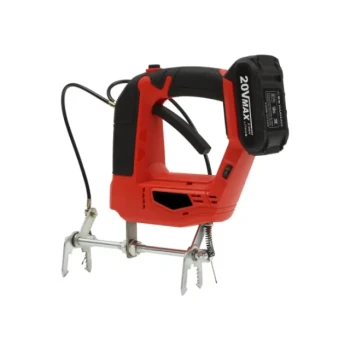
- Commercial Grade Vertical Electric Bee Sweeper for Bee Removal
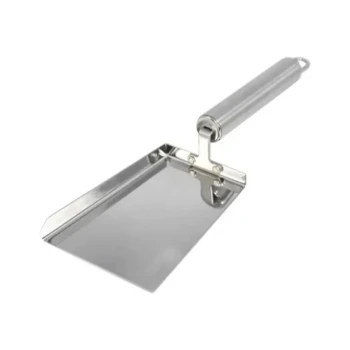
- Heavy-Duty Ergonomic Stainless Steel Pollen Shovel
- Plastic Bee Pollen Trap Strips Comb Catcher Collector
People Also Ask
- What are the design principles and advantages of pollen traps in the collection of bee pollen? Boost Your Apiary Yield
- What is the function of professional pollen traps in evaluating honey plants? Quantifying Pollination and Crop Potential
- What functions do pollen traps serve for bee bread production? Optimize Your Raw Material Collection
- What maintenance and pest prevention measures should be taken for pollen traps? Protect Your Hive and Harvest Quality
- How does the use of pollen traps in honeybee hives enhance crop fertilization? Boost Your Yield Through Induced Activity