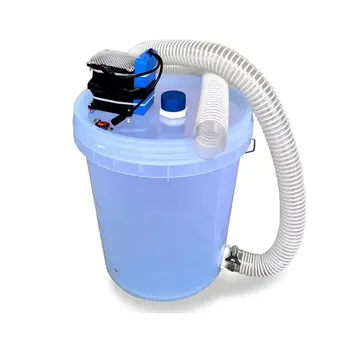
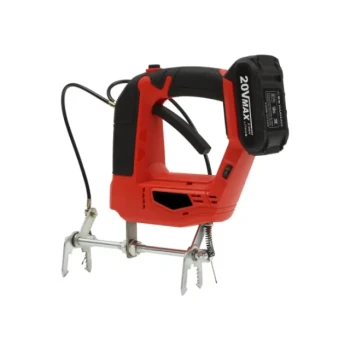
The primary function of a vacuum suction pump in stingless bee beekeeping is to extract honey from irregular cerumen pots using controlled negative pressure. Unlike traditional centrifugal extraction used for standard honeybees, this method draws the liquid directly from the hive’s storage vessels without crushing them, ensuring the structural integrity of the colony and the hygiene of the harvest.
Core Takeaway By replacing invasive mechanical squeezing with precision suction, vacuum pumps solve the unique architectural challenge of stingless bee hives, allowing for rapid harvesting that preserves the colony’s energy and prevents environmental contaminants from spoiling the sensitive honey.
Overcoming the Architecture of Stingless Bee Hives
The Structural Challenge
Standard honeybees (Apis mellifera) build uniform combs that can be spun in a centrifugal extractor. Stingless bees, however, store honey in clusters of small, individual pots made of cerumen (a mixture of wax and propolis).
Why Centrifuges Fail
You cannot put stingless bee pots into a standard honey extractor. The centrifugal force would not extract the honey effectively from these enclosed pods, and the process would destroy the pots entirely.
The Vacuum Solution
A vacuum suction pump utilizes a flexible tube to penetrate individual honey pots. It applies negative pressure to syphon the honey out, leaving the walls of the pot largely intact. This is the only mechanized method compatible with the irregular geometry of a stingless bee nest.
Ensuring Purity and Hygiene
Closed-Loop Extraction
Traditional harvesting often involves squeezing or scraping the pots, which exposes the honey to air, dust, and insects. Vacuum extraction moves the honey directly from the pot into a sealed collection vessel. This significantly reduces the risk of oxidation and external contamination.
Reducing Biological Impurities
When hives are manually squeezed or crushed, impurities such as pollen, propolis, and larval fluids are often mixed into the honey. Precision suction targets only the liquid honey within the pot. This results in a cleaner raw product that retains its natural color and taste without requiring aggressive filtration later.
Protecting the Colony for Future Production
Faster Hive Regeneration
Because the vacuum method extracts honey without destroying the cerumen pot walls, the physical damage to the hive is minimal. The bees do not need to secrete new wax to rebuild the entire storage structure from scratch. This allows the colony to return to honey production almost immediately, shortening the recovery cycle.
Avoiding Brood Disturbance
Stingless bee hives often have honey pots located in close proximity to the brood (eggs and larvae). Aggressive manual harvesting methods risk crushing the brood area. The precision of a suction tube allows the beekeeper to selectively harvest mature honey pots without disturbing the reproductive center of the colony.
Understanding the Trade-offs
Maintenance and Sanitation
While the pump improves honey hygiene, the equipment itself introduces a cleaning burden. The tubes and pump mechanisms must be meticulously sanitized between harvests. Failure to clean the equipment properly can introduce bacteria or mold into the next batch of honey.
Moisture Content Limitations
It is critical to distinguish between the suction pump (harvesting) and concentration equipment (processing). Stingless bee honey has naturally high moisture levels and is prone to fermentation. The suction pump extracts the honey efficiently, but it does not reduce moisture content. Post-harvest processing with low-temperature concentration equipment is still required to stabilize the honey.
Making the Right Choice for Your Goal
To determine if vacuum extraction aligns with your apiary management strategy, consider your primary objectives:
- If your primary focus is Commercial Efficiency: Vacuum extraction is essential because it increases harvest speed and minimizes the time bees spend rebuilding, leading to higher annual yields.
- If your primary focus is Honey Quality: The vacuum method is superior as it creates a closed system that drastically reduces contamination from debris and non-honey hive materials.
The vacuum suction pump is not just a tool for extraction; it is a preservation device that balances the harvester's need for efficiency with the biological needs of the bee colony.
Summary Table:
| Feature | Vacuum Suction Extraction | Traditional Manual Extraction |
|---|---|---|
| Mechanism | Controlled negative pressure suction | Manual squeezing or scraping |
| Hive Impact | Preserves cerumen pot structures | Destroys storage pots |
| Purity Level | High (Closed-loop, less pollen/debris) | Lower (High risk of contaminants) |
| Bee Recovery | Rapid (No need to rebuild pots) | Slow (Extensive wax secretion needed) |
| Efficiency | High speed, targeted harvesting | Labor-intensive and messy |
Scale Your Stingless Bee Honey Production with HONESTBEE
At HONESTBEE, we understand the unique architectural challenges of stingless bee apiaries. Whether you are a commercial apiary looking to increase harvest speed or a distributor seeking high-quality honey-processing machinery, we provide the specialized tools you need to succeed. Our comprehensive wholesale catalog includes:
- Precision Extraction Gear: Advanced suction pumps designed for hygienic, damage-free harvests.
- Industrial Machinery: Professional honey-filling and concentration machines to manage high moisture levels.
- Hardware & Consumables: From specialized hive-making equipment to honey-themed cultural merchandise.
Ready to modernize your operation and maximize your honey purity?
Contact HONESTBEE Today to discuss our wholesale offerings and discover how our expertise can drive your business forward.
References
- Nur Syahidah Ramly, Norhayati Ngah. Correlation Between the Color Lightness and Sweetness of Stingless Bee Honey with Its Minerals Content. DOI: 10.37231/jab.2021.12.2.250
This article is also based on technical information from HonestBee Knowledge Base .
Related Products
- Portable Electric Bee Vacuum with Lithium Battery and 20L Collection Bucket
- Honey Concentrating Vacuum Heating Thickening Machine Dehumidifier for Honey
- Stainless Steel Manual 8 Frame Radial Honey Extractor Machine for Beehives
- 2 Frame Stainless Steel Manual Honey Spinner Extractor for Beekeeping
- 0.5T Capacity Honey Dehumidifier Dryer with Vacuum Heating and Thickening Filtering Machine
People Also Ask
- What are the advantages of using portable bee vacuums for sampling honey bees? Optimize Nosema Detection Efficiency
- Who is qualified to use a bee vacuum? Essential Safety and Experience Requirements for Effective Bee Relocation
- What potential problems can occur when using a bee vacuum? Prevent Colony Mortality and Ensure Safe Bee Removal
- What are the benefits of using a bee vacuum? Safely Remove & Preserve Honey Bee Colonies
- Why do people use bee vacuums? A Humane Solution for Live Bee Removal