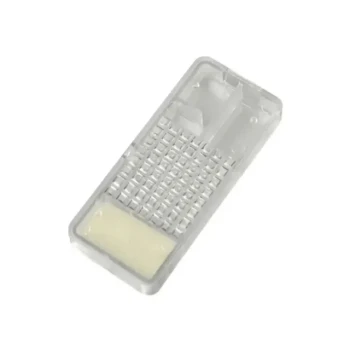
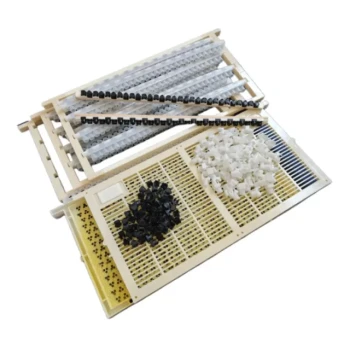
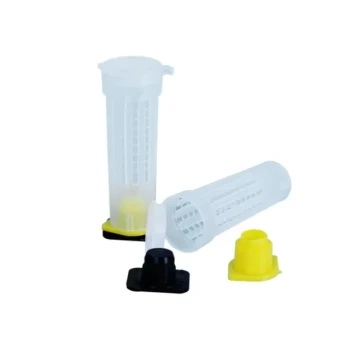
Artificial queen cells serve as specialized, man-made vessels designed to replicate the geometry of natural queen cells. By housing grafted larvae and royal jelly within these containers, beekeepers trigger the colony's nursing instincts, effectively converting worker larvae into queens through controlled feeding and spatial development.
By simulating the natural shape and space required for queen development, artificial queen cells allow beekeepers to "trick" the colony into nursing specific larvae. This transforms queen rearing from a random natural event into a standardized, scalable production process.
The Mechanics of Induced Development
Simulating the Natural Environment
The primary function of an artificial queen cell is to provide specific physical space.
These containers are engineered to mimic the exact shape and volume of natural queen cells. This geometric simulation is critical because it accommodates the larger size of a developing queen compared to a standard worker bee.
Triggering the Nursing Response
The cell acts as a catalyst for colony behavior.
When beekeepers fill these cups with royal jelly and introduce larvae of a specific age, it signals the worker bees to begin intensive nursing. This "induced" care is the biological mechanism that forces the larva to develop into a queen rather than a worker.
Operational Advantages in Rearing
Standardization for Research and Breeding
Beyond simple production, these cells create a standardized developmental environment.
This consistency allows researchers and breeders to precisely control the timing of queen emergence. Furthermore, the accessible design facilitates the collection of royal jelly samples, which is essential for baseline viral pathogen testing without destroying the cell.
Facilitating Large-Scale Production
The use of artificial cells decouples queen production from the colony's natural swarming impulse.
By artificially grafting larvae into these cells, beekeepers can produce high-quality queens in mass quantities. This is a fundamental requirement for commercial operations that need to generate large numbers of queens for sale or colony expansion.
Critical Process Requirements
The Dependency on Precision Grafting
Artificial cells do not function autonomously; they rely on the precise transfer of larvae.
Success requires the use of specific grafting tools to move young larvae from worker cells to the artificial cups without injury. If the larvae are damaged during this migration, the artificial cell will fail to produce a viable queen regardless of its design.
Vulnerability During Emergence
While the cell protects the larva during development, the system requires intervention at maturity.
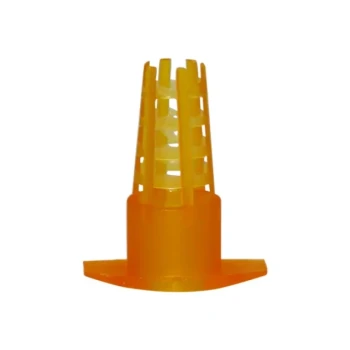
As the queen approaches emergence, the artificial cell must be shielded using cell protectors or emergence cages. Without this secondary equipment, the defenseless cell is vulnerable to destruction by the colony's worker bees or rival queens.
Optimizing Your Queen Rearing Strategy
To leverage artificial queen cells effectively, align your usage with your specific operational goals:
- If your primary focus is Commercial Production: Utilize these cells to maximize the volume of larvae accepted by nurse bees, focusing on high-density grafting to ensure large-scale output.
- If your primary focus is Disease Research or Breeding: Rely on the standardized nature of the cups to control environmental variables and facilitate easy access for sampling royal jelly.
Mastering the use of artificial queen cells allows you to move from passive observation of the hive to active, precise management of your colony's genetics.
Summary Table:
| Feature | Function in Queen Rearing | Key Benefit |
|---|---|---|
| Geometric Design | Mimics natural queen cell volume | Accommodates larger queen larvae development |
| Nursing Catalyst | Triggers intensive royal jelly feeding | Converts worker larvae into queens reliably |
| Standardization | Creates uniform growth environments | Ensures predictable timing for queen emergence |
| Accessibility | Facilitates royal jelly collection | Simplifies disease testing and breeding research |
| Scalability | Decouples rearing from swarming | Enables mass production for commercial use |
Elevate Your Beekeeping Operation with HONESTBEE
Transition from passive hive management to precision genetic control with our professional-grade equipment. HONESTBEE is a leading partner for commercial apiaries and global distributors, providing a comprehensive wholesale inventory designed for high-efficiency production.
From precision grafting tools and artificial queen cells to advanced honey-filling machines and hive-making equipment, we supply everything needed to scale your business. Whether you are looking for specialized hardware or essential industry consumables, our team is dedicated to supporting your growth.
Ready to scale your production? Contact us today to explore our wholesale offerings and discover how our expertise can benefit your apiary.
References
- Delfy Lensari, Jun Harbi. Honeybee Cultivation Training Apis Mellifera with Forest Farmers Group (KTH) Wana Lestari, Rejo Sari Village, Megang Sakti District, Musi Rawas Regency. DOI: 10.32502/altifani.v5i1.268
This article is also based on technical information from HonestBee Knowledge Base .
Related Products
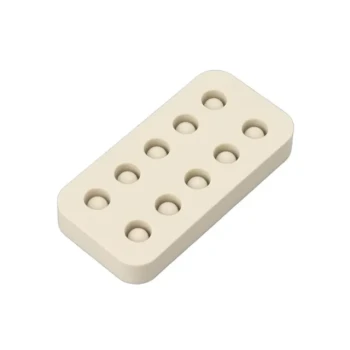
- 10-Cell Silicone Beeswax Bee Queen Cups Forming Mold
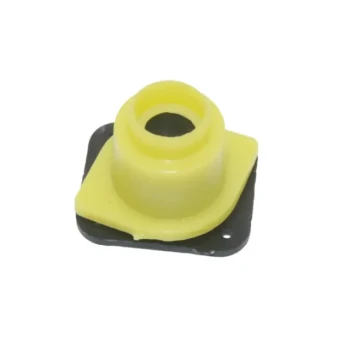
- JZBZ Type Wide Base Plastic Queen Cell Cups for Base Mounting and Queen Rearing
- Clear Black Plain Polystyrene Queen Bee Grafting Cell Cups No Lug for Bee Queen Cup
- Premium Nicot Style Cell Bar Holder and Queen Cell Cup Holder System
- Brown Nicot Queen Cell Cups for Breeding Queen Bees Beekeeping
People Also Ask
- How do beeswax queen cell cups function? Optimize Queen Rearing with Biological Mimicry
- What is the biological function of beeswax queen cell cups? Boost Acceptance in Artificial Queen Rearing
- What role do specialized queen rearing tools play in developing mite-resistant honeybee stock? Master Genetic Selection
- What materials are used to make artificial queen cell cups for grafting? Beeswax vs. Plastic Guide
- What roles do specialized queen cell cups play in royal jelly production? Optimize Your Hive's Secretion and Yield