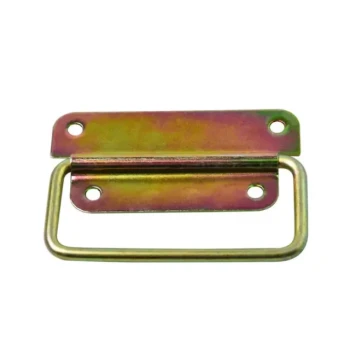
Diaphragms function as physical volume regulators within the beehive, designed specifically to contract the nesting space during winter preparation. By inserting these dividers—also known as hive dividers or follower boards—after removing unused edge frames, you effectively reduce the internal air volume the colony must heat. This mechanical tightening of the hive environment minimizes heat loss, directly contributing to lower mortality rates and improved colony health.
The core function of a diaphragm is to eliminate "dead space" within the hive. By restricting the nest volume to match the actual size of the bee cluster, you enable the colony to maintain optimal internal temperatures with significantly less energy expenditure.
The Mechanics of Hive Contraction
Eliminating Unused Space
In preparation for winter, a colony often occupies fewer frames than the full box allows. The first step involves removing edge frames that are not covered by bees or filled with essential resources.
Tightening the Nest Structure
Once the empty frames are removed, the diaphragm is inserted to close the gap. This wall creates a smaller, artificial boundary that "tightens" the hive space.
Reducing Air Volume
The primary technical goal is volume reduction. By physically shrinking the interior dimensions of the hive, you reduce the total volume of air that interacts with the cluster's radiant heat.
Biological Impact on Colony Survival
Optimizing Thermal Regulation
Honeybees do not heat the entire hive structure; they heat the cluster itself. However, excessive surrounding air acts as a thermal heat sink that draws warmth away from the bees.
Preserving Colony Energy
When the hive volume is reduced by a diaphragm, the colony expends less metabolic energy to maintain the necessary survival temperature. This conservation of energy prevents premature exhaustion of the bees and their food stores.
Lowering Winter Mortality
The direct result of this improved thermal efficiency is a reduction in the mortality rate. A colony that stays warm with less effort is more likely to survive the winter and emerge healthy in early spring.
Common Pitfalls to Avoid
Misjudging the Cluster Size
The diaphragm is only effective if placed correctly against the active nest. Leaving empty frames between the bee cluster and the diaphragm defeats the purpose of volume reduction.
Ignoring Weak Colonies
While diaphragms help average colonies, they are not a cure-all for critically weak hives. As noted in supplementary practices, extremely weak populations may still require consolidation into stronger groups rather than just space reduction.
Making the Right Choice for Your Apiary
To effectively utilize diaphragms in your overwintering strategy, align your actions with your specific management goals:
- If your primary focus is reducing winter loss: Prioritize the aggressive removal of all empty edge frames to maximize the "tightness" of the nest before inserting the diaphragm.
- If your primary focus is early spring health: Use diaphragms to ensure the colony enters the warmer months with higher energy reserves, as they will have spent less honey fighting the cold.
By mechanically aligning the hive volume with the biological mass of the colony, you convert the hive from a drafty box into a thermally efficient shelter.
Summary Table:
| Feature | Function in Overwintering | Benefit to Colony |
|---|---|---|
| Volume Regulation | Contracts internal hive space | Eliminates energy-draining "dead space" |
| Thermal Barrier | Creates a tighter nest boundary | Minimizes radiant heat loss from the cluster |
| Energy Preservation | Reduces metabolic demand | Prevents exhaustion of food stores and bees |
| Nesting Structure | Aligns hive size with bee mass | Lowers winter mortality and boosts spring health |
Secure Your Apiary’s Success with HONESTBEE
At HONESTBEE, we understand that commercial success in beekeeping depends on the survival and vitality of your colonies. As a premier provider for commercial apiaries and distributors, we offer a comprehensive wholesale range of beekeeping tools, machinery, and essential consumables designed to optimize your operations. From precision-engineered hive-making machines to specialized hardware like diaphragms and honey-filling systems, our portfolio empowers you to provide the best care for your bees while maximizing efficiency.
Ready to scale your beekeeping business or restock your inventory? Contact us today to discover how our high-quality equipment and cultural merchandise can add value to your brand and ensure your colonies thrive through every season.
References
- Ekaterina N. Rud, А З О В А Н Ие. ECONOMIC EFFICIENCY OF TREATMENT OF HONEY BEES AGAINST VARROATOSIS IN THE CONDUCT OF ORGANIC LIVESTOCK. DOI: 10.32786/2071-9485-2021-03-31
This article is also based on technical information from HonestBee Knowledge Base .
Related Products
- Stainless Steel Round Beehive Air Vents for Ventilation
- Professional Drop-Style Hive Handles for Beekeeping
- Premium Comfort Grip Spring-Loaded Hive Handles
- Precision Stainless Steel Frame Cleaner for Hive Grooves and Corners
- Ergonomic Plastic Frame Spacer Tool for Rapid Hive Management Beekeeping
People Also Ask
- How does ventilation affect colony health, and how should it be managed seasonally? A Guide to Preventing Moisture & Overheating
- Why is proper ventilation important in a beehive? Prevent Mold, Regulate Temperature, and Boost Colony Health
- How can a beekeeper provide proper ventilation for a beehive throughout the year? Seasonal Strategies for Bee Health
- Why is good ventilation crucial when transporting beehives? Protect Your Colony from Lethal Overheating
- How can ventilation be added to a beehive without using an inner cover? Simple, Effective Solutions for Healthy Hives