Fine dissection forceps and probes are the primary manual instruments used to access and analyze the biological environment inside capped honey bee cells. These high-precision tools allow technicians to delicately peel back wax cappings and remove larvae or pupae without causing physical trauma to the host or the parasites. This precision is essential for identifying Varroa mite presence, assessing their reproductive status, and collecting the core phenotypic data required for colony health diagnostics.
High-precision dissection tools are the foundational consumables for bee phenotypic analysis, enabling the non-destructive inspection of brood cells to quantify Varroa infestation and reproduction rates with laboratory-grade accuracy.
Precision Access to the Brood Cell
Non-Destructive Capping Removal
Fine forceps and probes are engineered to manipulate the minute wax caps of sealed brood cells.
These tools provide the mechanical control necessary to flip or remove cappings without crushing the delicate structures beneath.
This allows for the inspection of the inner side of the cap for repair marks, a key indicator of the "recapping" trait associated with mite resistance.
Intact Larval and Pupal Extraction
Technicians use fine-tipped tweezers to lift honey bee larvae or pupae out of the cell.
Because Varroa mites often hide in the folds of the larval body or at the bottom of the cell, the host must be removed entirely to reveal the parasites.
Using professional-grade tools ensures that neither the bee nor the fragile mite offspring are damaged, which would otherwise lead to data errors.
Data Accuracy in Parasite Diagnostics
Identifying Reproductive Status
The primary function of these tools is to provide the physical basis for calculating the proportion of non-reproductive mites.
By using probes to search the cell interior and forceps to transfer mites to slides, researchers can identify foundress mites, nymphs, and eggs.
Maintaining the integrity of these tiny biological samples is critical for accurate Delayed Mite Reproduction (DMR) analysis and survival rate counting.
Assessing Colony Resistance Traits
Precision manual inspection is a cost-effective method for screening colonies that exhibit Varroa-sensitive hygiene (VSH).
High-precision watchmaker tweezers allow for the systematic examination of every pupa within a sample size.
This level of detail enables the calculation of invasion and reproduction rates, which are vital metrics for large-scale breeding programs and honey bee health research.
Understanding the Trade-offs
Technical Skill vs. Tool Quality
While high-quality forceps and probes minimize the risk of sample damage, they require significant manual dexterity and training to use effectively.
Low-quality or blunt tools can easily puncture the larval skin, releasing fluids that obscure the view of Varroa nymphs and contaminate the sample.
Durability and Maintenance
Because these are fine-tipped instruments, they are susceptible to bending or misalignment if handled roughly during cleaning or storage.
Distributors should note that while these are consumables, the demand for corrosion-resistant materials like high-grade stainless steel is high to ensure longevity in laboratory environments.
Sourcing the Right Tools for Your Portfolio
Strategic Recommendations for Distributors
As a leading partner in beekeeping technology, we provide a full-spectrum product portfolio that ranges from field-testing kits to laboratory-grade dissection instruments.
Providing high-precision tools alongside standardized testing apparatuses positions your business as a one-stop sourcing expert for professional apiculture.
- If your primary focus is Laboratory Research: Prioritize high-precision watchmaker tweezers and stainless steel probes that can withstand repeated sterilization and offer the finest tips for microscopic work.
- If your primary focus is Commercial Breeding: Focus on durable, cost-effective dissection kits that allow field technicians to perform rapid, large-scale phenotypic screening.
- If your primary focus is Comprehensive Supply Chain: Ensure your inventory includes fine grafting needles and moistened brushes to complement forceps, offering a complete solution for mite and larval manipulation.
Equipping your clients with professional-grade dissection tools ensures the technical accuracy required to combat Varroa infestations and maintain global honey bee health.
Summary Table:
| Tool Type | Primary Function | Key Benefit for Diagnostics |
|---|---|---|
| Fine Forceps | Delicate capping removal & larval extraction | Prevents physical trauma to host and parasites |
| Dissection Probes | Detailed cell interior exploration | Accurate identification of mite reproductive status |
| Watchmaker Tweezers | High-precision microscopic manipulation | Enables precise VSH screening and DMR analysis |
| Stainless Steel Tools | Long-term laboratory use | Durable, corrosion-resistant, and easy to sterilize |
Elevate Your Inventory with HONESTBEE’s Professional Solutions
Are you looking to provide your clients with laboratory-grade precision? HONESTBEE specializes in supporting commercial apiaries and B2B distributors with a comprehensive wholesale offering. From high-precision dissection kits to honey-filling machinery and essential consumables, we provide the full spectrum of tools needed for modern bee health diagnostics.
Why partner with us?
- One-Stop Sourcing: Access everything from specialized hardware to honey-themed merchandise.
- B2B Excellence: Benefit from competitive wholesale margins, OEM/ODM support, and rapid order fulfillment.
- Professional Expertise: Our products are designed for deep industry application, ensuring your customers achieve laboratory-grade accuracy.
Ready to scale your beekeeping supply business? Contact us today to explore our full-spectrum product portfolio and experience our exceptional customer service.
References
- Maria J. Kirrane, Pádraig M. Whelan. Phenotypic and Genetic Analyses of the Varroa Sensitive Hygienic Trait in Russian Honey Bee (Hymenoptera: Apidae) Colonies. DOI: 10.1371/journal.pone.0116672
This article is also based on technical information from HonestBee Knowledge Base .
Related Products
- Heavy-Duty Ergonomic Grip Galvanized Pollen Shovel
- 5 Gallon Pail Opener Bucket Opener Tool for Honey Bucket
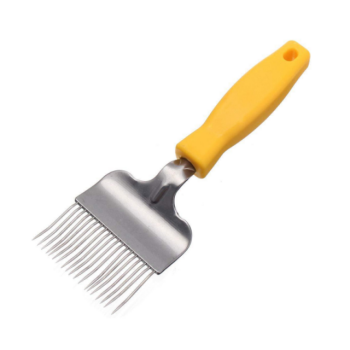
- All-Stainless Steel Pivoting Honey Uncapping Fork for Beekeeping
- HONESTBEE Professional Long Handled Hive Tool with Precision Cutting Blade
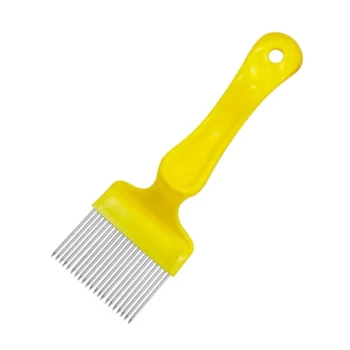
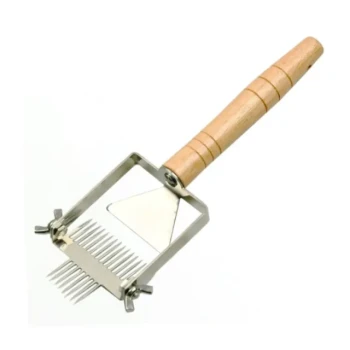
- Wide Adjustable Stainless Steel Honey Uncapping Fork with Scraper
People Also Ask
- For what reasons do beekeepers collect bee pollen? Boost Hive Health and Unlock New Revenue Streams
- Why should commercial apiaries focus on the collection of diversified bee products? Maximize Your Hive’s Profit Potential
- How do bee pollen collection tools affect the quality of bee pollen used in functional dairy ice cream production?
- How does a specialized pollen collector facilitate the harvesting of diverse bee products? Automate High-Value Yields
- What is the impact of pollen collectors and associated equipment on the cost structure of pollen production? Maximize ROI