Industrial-grade hive transport and loading equipment functions as the essential hardware interface for large-scale migratory beekeeping, enabling the mass movement of colonies with speed and minimal biological disruption. Specifically, this category includes specialized transport vehicles, mobile containers, and hydraulic lifting systems designed to relocate bees to follow nectar flows or escape extreme climatic conditions.
The core value of this equipment lies not just in logistics, but in biological preservation; its stability and efficiency directly determine colony mortality rates and how quickly bees adapt to new environments after long-distance transit.
The Operational Objectives of Transhumance
Chasing Nectar and Climate Stability
The primary function of this equipment is to facilitate transhumance, the seasonal movement of livestock—in this case, bees.
Operators use these vehicles to transport colonies to migrating nectar sources, ensuring continuous honey production.
Additionally, this hardware allows apiarists to move bees to cooler, high-altitude regions during periods of extreme heat, protecting the colony from thermal stress.
High-Volume Integration
For large-scale operations, efficiency is paramount. Specialized mobile beekeeping containers are designed to integrate dozens of colonies into a single, cohesive unit.
This consolidation transforms hundreds of individual hives into manageable blocks, allowing for rapid deployment across vast agricultural landscapes.
Safeguarding Colony Health During Transit
Minimizing Biological Stress
The stability of the transport vehicle is critical. Industrial-grade trucks are engineered to minimize vibration and physical shock during transit.
By reducing mechanical disturbance, the equipment lowers the stress levels of the honeybees. Low-stress transport is directly correlated with lower mortality rates and a faster return to foraging activity upon arrival.
Critical Ventilation Management
Long-distance migrations can exceed 2500 kilometers, posing a risk of overheating and suffocation within the hive.
Specialized transport equipment provides necessary ventilation airflow. This ensures that the internal hive environment remains survivable even when moving through varying climate zones.
Logistics and Labor Efficiency
Reducing Labor Intensity
Hydraulic lifting equipment is a key component of the loading process. It removes the manual burden of lifting heavy hives, significantly reducing labor intensity for the apiarist.
This mechanical advantage allows for faster loading times, which is crucial when operations must be moved overnight to minimize disruption to the bees' flight schedules.
Protecting Against Weather
Mobile containers offer a dual function: transport and shelter.
During climate shifts or sudden weather events, these containers shield the colonies from adverse conditions, acting as a stable environment that supports consistent honey yields.
Understanding the Trade-offs
Specialization vs. Flexibility
While standard flatbed trucks can move cargo, they often lack the suspension dampening and ventilation airflow required for live livestock.
Using non-specialized equipment creates a high risk of colony loss due to overheating or vibration stress.
However, industrial-grade equipment represents a significant capital investment and is often single-purpose. It requires a commitment to a migratory business model to justify the cost against the potential for high colony mortality using standard vehicles.
Making the Right Choice for Your Goal
To maximize the effectiveness of your transhumance strategy, select equipment based on your specific operational constraints:
- If your primary focus is minimizing colony loss during long hauls: Prioritize vehicles with advanced suspension stability and active ventilation systems to handle trips exceeding 2500km.
- If your primary focus is rapid deployment and labor reduction: Invest in hydraulic lifting systems and mobile containers that allow for the movement of integrated colony units rather than individual hives.
- If your primary focus is maximizing honey yield: Ensure your transport logistics allow for frequent relocation to high-altitude areas to chase peak nectar flows and avoid heat stress.
The right transport infrastructure turns a logistical challenge into a competitive advantage, ensuring your workforce arrives healthy and ready to work.
Summary Table:
| Feature | Primary Function | Impact on Beekeeping |
|---|---|---|
| Specialized Vehicles | Long-distance transport & shock absorption | Reduces biological stress and mortality rates |
| Hydraulic Lifting | Mechanical loading/unloading | Minimizes labor intensity and speeds up deployment |
| Mobile Containers | Integrated colony housing & shelter | Protects against climate extremes and stabilizes yields |
| Ventilation Systems | Airflow management during transit | Prevents overheating and suffocation over 2500km+ |
| Climate Stability | Thermal protection | Enables access to nectar flows in varied altitudes |
Maximize Your Colony Success with HONESTBEE
Transitioning to large-scale transhumance requires more than just logistics; it demands precision engineering. HONESTBEE empowers commercial apiaries and distributors with a complete suite of professional beekeeping solutions. From high-capacity hive-making machinery and precision honey-filling systems to robust transport hardware and essential consumables, we provide the tools needed to scale your operation efficiently.
Why choose HONESTBEE?
- Comprehensive Wholesale Supply: Access everything from specialized machinery to honey-themed merchandise.
- Built for Industry: Our equipment is designed to handle the rigors of long-distance migration and high-volume production.
- Expert Support: We help you select the right infrastructure to minimize colony loss and maximize honey yields.
Ready to elevate your beekeeping business? Contact our expert team today to discuss our wholesale offerings and industrial solutions.
References
- Matangi Mishra, Lakshay Kaushal. The Impact of Weather Change on Honey Bee Populations and Disease. DOI: 10.17762/jaz.v44is7.2755
This article is also based on technical information from HonestBee Knowledge Base .
Related Products
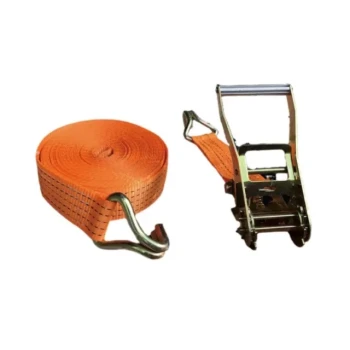
- Heavy Duty Ratchet Hive Strap
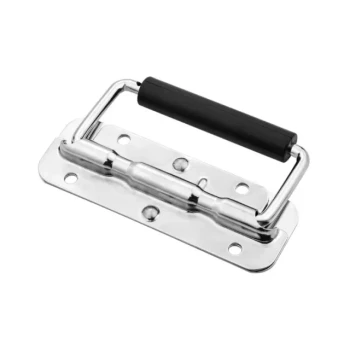
- Premium Comfort Grip Spring-Loaded Hive Handles
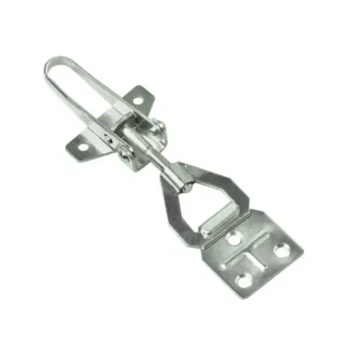
- Heavy Duty Adjustable Hive Connector
- Professional Grade Foldable Beehive Handles
- Durable Plastic Interlocking Hive Connector for Beekeeping
People Also Ask
- Why is the use of ratchet straps or high-strength ropes necessary for hive protection? Secure Your Colony Now
- What are the two styles of hive straps? Choose the Right Strap for Your Hive Security
- What maintenance do hive straps require? Keep Your Hives Secure with Simple Care Tips
- How should hive straps be stored? Prevent Tangles & Extend Strap Life
- What is the best choice for hive straps? Ratchet vs. Cam Buckle for Your Apiary