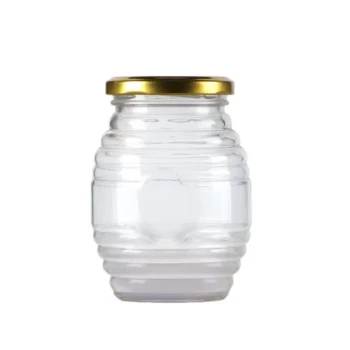
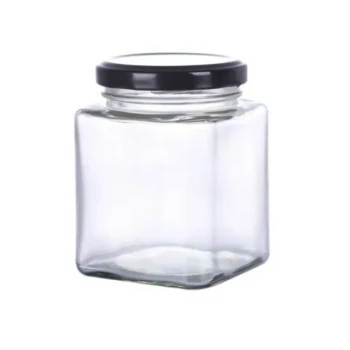
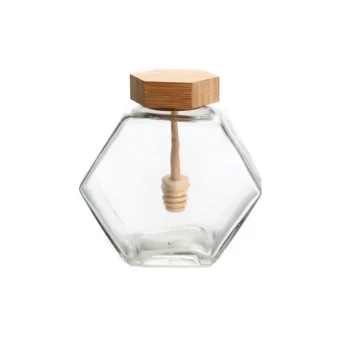
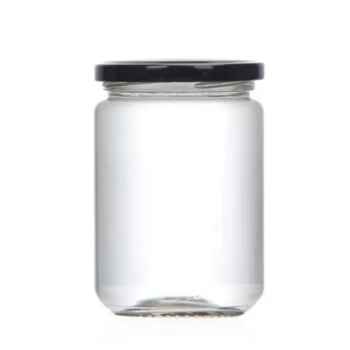
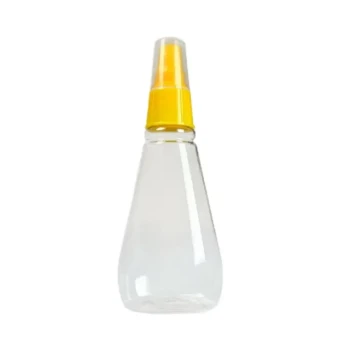
Inverted perforated glass bottles function as precision gravity feeders designed for controlled data collection and dosage verification. Located at the hive’s inner cover, these devices utilize gravity balance to dispense liquid feed or medication at a rate determined by the bees' consumption. This mechanism ensures uniform ingestion across the colony while allowing beekeepers to accurately calculate the exact dosage absorbed by measuring the remaining volume.
Precision in apiculture requires moving beyond simple feeding to accurate dosage verification. This method utilizes the physics of vacuum pressure and gravity to transform the hive’s inner cover into a controlled laboratory environment for nutritional and medical uptake.
The Mechanics of Controlled Delivery
Utilizing Gravity and Vacuum Pressure
The core function of this device relies on gravity balance. As liquid is drawn down, a vacuum pressure differential forms inside the inverted glass jar.
This prevents the liquid from flowing out uncontrollably. Instead, it creates a stable suspension of fluid at the perforated lid, available only when bees actively feed.
Strategic Placement
The device is specifically designed to operate through the hive's inner cover. This placement is critical for accessibility.
It positions the nutrient or medication source directly above the colony cluster. This maximizes the likelihood of discovery and consumption by worker bees without disturbing the hive structure.
Achieving Precision in Colony Management
Ensuring Uniform Ingestion
A major challenge in colony management is ensuring that supplements reach the entire population. The inverted bottle system facilitates uniform distribution of the substance.
By providing a consistent, central point of access, it allows worker bees to ingest the liquid steadily. This is particularly vital when administering treatments for conditions like Nosemosis to ensure the medication circulates throughout the colony.
Verifying Dosage Accuracy
The defining feature of this method is the ability to perform accurate quantitative calculations. Simply providing medication does not guarantee it was consumed.
By measuring the remaining volume of liquid in the glass bottle, researchers and beekeepers can determine the precise intake dosage. This data is essential for scientifically evaluating the effects of nutritional supplements or chemical treatments on bee health.
Understanding the Trade-offs
The Necessity of Monitoring
While this system offers precision, it requires active management to be effective. The data is only as good as the measurement of the remaining volume.
If the remaining liquid is not measured accurately, the "precision" aspect of the tool is lost, reverting it to a standard feeder.
Equipment Dependencies
The system relies heavily on the physical integrity of the porous lid and the vacuum seal. If the seal is compromised or the perforations are incorrect, the gravity balance fails.
This can lead to either a lack of access for the bees or an uncontrolled release of liquid, potentially drowning the bees or wasting valuable medication.
Making the Right Choice for Your Goal
To effectively utilize inverted perforated glass bottles, align your usage with your specific colony objectives:
- If your primary focus is Scientific Research: Prioritize the measurement of remaining volume to generate accurate data on the physiological effects of nutritional substances.
- If your primary focus is Disease Management: Use this method for critical treatments like Fumagillin to ensure the specific dosage required for winter survival is fully ingested.
Mastering this tool shifts your role from a passive observer to an active manager of honeybee health.
Summary Table:
| Feature | Function & Mechanism | Benefit to Beekeeping |
|---|---|---|
| Gravity Balance | Utilizes vacuum pressure to hold liquid | Prevents leakage while allowing steady feeding |
| Inner Cover Placement | Positioned directly above the cluster | Ensures easy access without hive disturbance |
| Perforated Lid | Controlled release through small pores | Facilitates uniform ingestion across the colony |
| Volume Tracking | Measuring remaining liquid levels | Allows for precise quantitative dosage verification |
Elevate Your Apiary Management with HONESTBEE
Precision is the backbone of successful commercial beekeeping. At HONESTBEE, we empower commercial apiaries and distributors with the high-quality tools and machinery needed to master colony nutrition and health. From specialized hive-making and honey-filling machines to essential beekeeping consumables and hardware, our comprehensive wholesale range is designed to scale your operations efficiently.
Whether you are looking to secure a reliable supply chain of industry-standard equipment or seeking unique honey-themed cultural merchandise, we provide the expertise and portfolio to support your growth. Contact us today to discover how our professional-grade solutions can optimize your honey production and hive health.
References
- Coby van Dooremalen, T. Blacquière. Single and interactive effects of <i>Varroa destructor</i>,<i> Nosema</i> spp., and imidacloprid on honey bee colonies (<i>Apis mellifera</i>). DOI: 10.1002/ecs2.2378
This article is also based on technical information from HonestBee Knowledge Base .
Related Products
- HONESTBEE Entrance Bee Feeder Efficient Hive Front Liquid Feeding Solution for Beekeeping
- Classic Glass Honey Jar with Metal Lug Cap for Beehive Storage
- Inverted Squeezable Honey Jar with No Drip Flip Top Cap for Easy Pouring
- Classic Beehive Honey Bottle Jar with Squeeze Dispenser Lid
- HONESTBEE Professional Hive Top Bee Feeder Feeding Solution
People Also Ask
- What types of bee feeders are available for beginners? Start with the Simple Entrance Feeder
- What are the advantages and disadvantages of using an entrance feeder for bees? Balance Convenience and Hive Security.
- What is a bee entrance feeder and what are its drawbacks? Essential Guide to Hive Security and Feeding Efficiency
- How does a bee entrance feeder work? A Simple Guide to Convenient Hive Feeding
- How to make an entrance feeder for bees? A DIY Guide for Safe & Effective Feeding