The primary function of metal eyelets is to reinforce the pre-drilled holes in a frame's side bars, acting as a protective barrier between the wood and the wire. Because frame wire must be pulled extremely tight to function correctly, it can easily slice into the soft wood grain like a cheese cutter. Eyelets provide a smooth, durable metal surface that prevents this damage and ensures the wire slides freely during the tensioning process.
By preventing the wire from digging into the wood, eyelets ensure that the tension you apply stays on the wire rather than being lost as the wire cuts into the frame. This simple addition significantly extends the lifespan and stability of the wired frame.
The Mechanics of Frame Protection
Preventing Structural Damage
The central problem in wiring frames is the mismatch in hardness between steel wire and wooden side bars.
Without protection, the tension required to support the foundation causes the wire to cut into the timber. Eyelets absorb this mechanical stress, preventing the wire from damaging the frame's structure.
Facilitating Smoother Tensioning
Beyond protection, eyelets provide a low-friction surface.
When tightening the wire, it must glide through the holes to achieve uniform tension across the frame. The smooth metal surface of the eyelet allows the wire to pass through easily, whereas raw wood creates friction and potential snagging points.
Installation and Configuration
Proper Placement
Eyelets are inserted into the pre-drilled holes on the side bars before any wiring begins.
For a standard deep frame, this typically involves fitting eyelets into all 8 holes (4 on each side). Ensuring coverage on every hole is critical for maintaining even tension throughout the assembly.
The Insertion Process
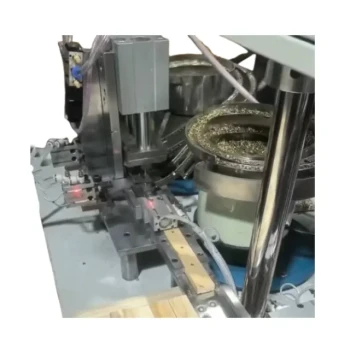
Efficiency in installation is achieved using a specific eyelet punch.
This tool is used to pick up the eyelet and drive it into the hole until it fits snugly. The goal is a flush fit that won't snag or fall out during the wiring process.
Understanding the Trade-offs
Labor vs. Longevity
The inclusion of eyelets adds a step to the assembly process.
While it increases the time required to build each frame, skipping this step often results in frames that lose tension quickly as the wire bites into the wood. The trade-off is an upfront investment of labor for a significant gain in long-term durability.
Material Costs
Eyelets represent an additional, albeit small, material cost.
However, the cost of replacing damaged frames or restringing loose wires usually outweighs the nominal expense of the eyelets themselves.
Making the Right Choice for Your Goal
Whether or not you strictly need eyelets depends on your specific requirements for the equipment.
- If your primary focus is maximum durability: Install eyelets in every hole to ensure the frame can withstand years of tension and extraction cycles without the wood splitting.
- If your primary focus is high wire tension: Use eyelets to reduce friction, allowing you to pull the wire tighter without it cutting into the side bars.
- If your primary focus is rapid, low-cost assembly: You might skip eyelets for disposable or short-term use frames, accepting that wire tension will drop over time as it digs into the wood.
Eyelets are a small component that makes the difference between a professional-grade assembly and a frame that degrades under its own tension.
Summary Table:
| Feature | Purpose | Benefit |
|---|---|---|
| Material Reinforcement | Acts as a barrier between wire and wood | Prevents wire from slicing into soft timber |
| Friction Reduction | Provides a smooth metal surface | Facilitates easy, uniform wire tensioning |
| Structural Support | Absorbs mechanical stress | Maintains frame stability over years of use |
| Maintenance | Prevents wire slackening | Reduces the need for frequent restringing |
Maximize Your Apiary Productivity with HONESTBEE
At HONESTBEE, we understand that the durability of your equipment directly impacts your bottom line. Whether you are a commercial apiary or a global distributor, our comprehensive wholesale range provides everything from precision-engineered eyelet punches and beekeeping tools to high-capacity honey-filling machines.
Don't let subpar assembly compromise your honey production. Partner with a supplier that delivers the full spectrum of industrial-grade machinery and essential consumables designed for the modern beekeeping industry.
Ready to upgrade your operations? Contact us today to discuss our wholesale offerings and see how we can support your growth.
Related Products
- Copper Bee Frame Eyelets for Beekeeping
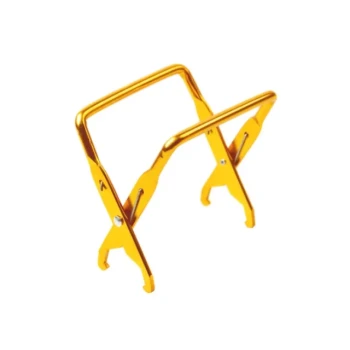
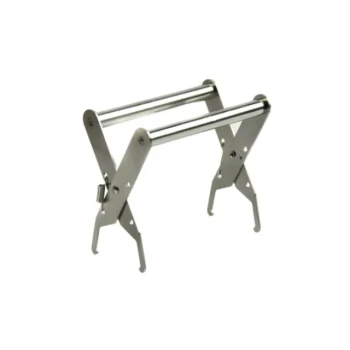
- Durable Galvanized Steel Frame Grip
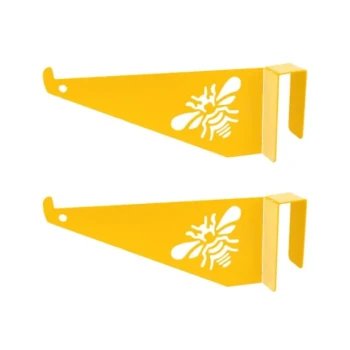
- Heavy Duty Laser Cut Bee Design Metal Frame Perch
- Lightweight Aluminum Frame Grip
- Frame Eyelets Assembly Machine Bee Frame Eyelets Fitting Machine Eyelets Machine
People Also Ask
- What is the purpose of eyelets in a frame and how are they installed? Ensure Long-Lasting Frame Tension
- How should cleaned and re-waxed bee frames be stored? 5 Essential Tips for Protecting Your Equipment
- What are bee frames, and how do they relate to box sizes? A Guide to the Langstroth Hive System
- Can you use old bee frames? A guide to safe reuse and disease prevention
- What are the differences between shallow and medium frames? Choose the Right Frame for Your Hive