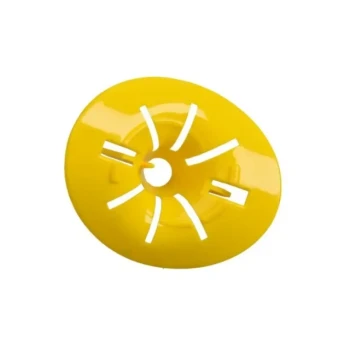
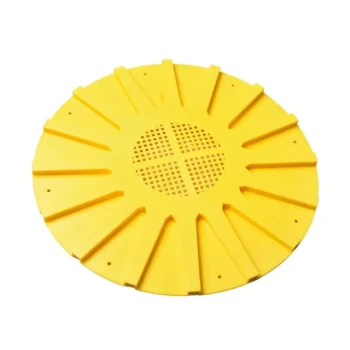
Pollen traps serve as precision mechanical filters designed to intercept foraging bees as they return to the hive. By forcing bees to pass through specialized grids with calculated apertures, these devices physically strip pollen pellets from the bees' hind legs, dropping the material into a secure drawer for harvest while allowing the bees to enter the colony.
Core Insight: Pollen traps bridge the gap between biological foraging and industrial production by automating the collection process. They allow apiaries to harvest high-purity pollen on a large scale without injuring the workforce or halting the colony's normal activity.
The Mechanics of Extraction
Physical Interception via Grids
The core component of a pollen trap is a physical barrier placed directly in the bees' flight path at the hive entrance. This barrier consists of a specialized grid structure featuring small, precisely measured apertures.
The Stripping Action
As worker bees attempt to squeeze through these holes to enter the hive, the grid mechanically scrapes the pollen loads (pellets) attached to the corbiculae (pollen baskets) on their hind legs. The geometry is critical: tight enough to dislodge the pollen, but wide enough to allow the bee to pass without injury.
Automated Collection
Once dislodged, the pollen pellets fall immediately into a collection drawer or tray located beneath the grid. This effectively separates the raw material from the bees instantly, preventing them from carrying it into the comb for storage.
Commercial Utility and Hygiene
Scaling Production
For commercial operations, pollen traps are essential machinery that transforms beekeeping from a single-product model (honey only) to a diversified production model. They enable the large-scale, automated collection of non-timber forest products, specifically fresh bee pollen.
Ensuring Purity
Industrial-grade traps play a vital role in maintaining the cleanliness and bio-activity of the harvest. By collecting pollen in a separate, often dry tray, the device minimizes contact with the hive's internal humidity.
Preventing Contamination
This immediate separation helps prevent microbial contamination and degradation. It ensures the pollen remains a clean raw material suitable for subsequent physicochemical analysis or processing into consumer products.
Understanding the Operational Trade-offs
Balancing Harvest and Colony Health
While the goal is collection, a trap must not capture 100% of the incoming resources. The design typically retains a specific portion (often around 10% for monitoring, though variable for production) to ensure the colony retains sufficient nutritional supplies for its own growth and brood rearing.
Potential for Disruption
Improperly designed or managed traps can impede the normal life of the colony. It is critical that the device allows for the normal movement and breeding of bees, ensuring that the mechanism for harvesting does not compromise the long-term viability of the hive.
Making the Right Choice for Your Goal
To maximize the utility of pollen traps in your operation, consider the following strategic applications:
- If your primary focus is Commercial Yield: Prioritize traps with "dry collection" trays to reduce moisture content immediately, preserving the biochemical activity of the product for the market.
- If your primary focus is Colony Monitoring: Utilize traps designed for lower retention rates to sample the types of pollen available in the landscape without stressing the colony's food supply.
Ultimately, the function of a pollen trap is to mechanically harvet nature's resources while respecting the biological limits of the bee colony.
Summary Table:
| Feature | Function & Impact |
|---|---|
| Mechanism | Grid-based physical interception of pollen pellets from bees' legs |
| Collection | Automated drop into secure drawers to prevent hive contamination |
| Commercial Value | Diversifies revenue by enabling large-scale, high-purity pollen harvest |
| Hygiene | Minimizes moisture contact to preserve biochemical activity |
| Colony Safety | Precision apertures allow bee entry without injury or stalling activity |
Scale Your Production with HONESTBEE Precision Equipment
As a dedicated partner to commercial apiaries and global distributors, HONESTBEE understands that efficiency and purity are the cornerstones of a profitable bee product business. Our comprehensive range of beekeeping machinery and tools—including advanced pollen traps, hive-making machines, and honey-filling systems—is designed to automate your workflow and maximize your output.
Whether you are looking to supply the industry with essential consumables or upgrade your own facility with specialized hardware, we provide the full spectrum of equipment needed to succeed. Contact us today to discover how our wholesale solutions and industry expertise can streamline your operations and grow your brand!
References
- Fermín J. Chamorro, Guiomar Nates‐Parra. El polen apícola como producto forestal no maderable en la Cordillera Oriental de Colombia. DOI: 10.14483/udistrital.jour.colomb.for.2013.1.a04
This article is also based on technical information from HonestBee Knowledge Base .
Related Products
- 30 cm Plastic Entrance Hole Bee Pollen Trap and Collector
- Removable Plastic Pollen Trap With Ventilated Tray for Bees Pollen Collector
- Plastic Bee Pollen Trap Strips Comb Catcher Collector
- High-Efficiency Diamond Maze Bee Escape for Clearing Supers
- HONESTBEE Professional Telescopic Pole Bee Swarm Catcher
People Also Ask
- What are the design principles and advantages of pollen traps in the collection of bee pollen? Boost Your Apiary Yield
- Why is frequent harvesting of bee pollen from traps necessary for quality control? Ensure Freshness and Prevent Mold.
- How often should bee pollen be harvested from a trap and why? Master Freshness and Prevent Spoilage
- What function do pollen traps serve in quantitative collection? Boost Your Apiary's Data & Production Efficiency
- What is the primary function of bee pollen traps? Optimize Your Pollen Harvest with Advanced Extraction Efficiency