Professional beekeeping tools function as the critical infrastructure that bridges the gap between raw nature and reliable industrial production. By utilizing smokers to calm colonies and protective suits to ensure operator safety, beekeepers can perform the frequent, intensive inspections necessary to control pests and diseases, thereby directly securing a consistent and high-quality honey supply.
Core Takeaway Tools like smokers and protective suits are not merely for comfort; they are essential enablers of proactive colony management. By guaranteeing safety and reducing colony stress, these tools allow for the consistent intervention required to minimize colony loss and ensure stable production across seasons.
The Mechanics of Supply Stability
Enabling Proactive Management
The primary function of professional gear is to create the safety conditions required for frequent and deep inspections. Without adequate protection, inspections become hazardous and are likely to be rushed or infrequent.
Protective suits remove the physical risk of stings, allowing management personnel to focus entirely on the delicate task at hand. This access enables the timely monitoring of pollen and nectar reserves, ensuring the hive has the resources to sustain production.
Controlling Disease and Pests
A stable honey supply is heavily dependent on low colony loss rates. Professional tools allow beekeepers to implement intensive management techniques to combat threats like Varroa mites or bacterial infections.
With the ability to access the hive regularly, beekeepers can detect issues early and apply treatments immediately. This prevents minor health issues from escalating into colony collapse, ensuring the hive remains productive throughout the season.
Standardizing Production Cycles
Modern equipment facilitates a transition from reactive to standardized beekeeping. By minimizing the variables in hive management, producers can predict yields more accurately.
This consistency is vital for commercial supply chains. It ensures a continuous flow of honey to the market, smoothing out the natural fluctuations associated with seasonal changes.
The Specific Roles of Key Tools
The Smoker: Managing Colony Stress
The smoker is a tool of biological control. Its function is to calm the bee colony, significantly reducing the stress placed on the bees during harvesting or inspection.
By using controlled smoke, the beekeeper masks the bees' alarm pheromones. This maintains colony vitality and prevents aggressive defensive behavior, which improves hygiene levels and prevents damage to the colony during the extraction process.
Protective Suits: The Barrier for Precision
Protective consumables, including veils, suits, and gloves, provide a necessary physical barrier. This safety allows for refined management, such as optimizing honeycomb layouts.
When a beekeeper is not distracted by the threat of injury, they can perform delicate manipulations of the hive frames. This precision directly improves the production efficiency of individual hives by allowing for optimized space management for the queen and honey storage.
Understanding the Trade-offs
The Risk of Over-Intervention
While tools enable frequent access, there is a risk of disrupting the hive too often. Excessive inspections can alter the hive's internal temperature and stress the queen, potentially slowing down brood production.
Reliance vs. Technique
High-quality gear cannot replace expertise. A common pitfall is assuming that protective equipment eliminates the need for gentle handling. Rough handling, even when suited up, can still agitate the colony and reduce productivity.
Balancing Hygiene and Material
Smokers must be used with clean, appropriate fuel materials. Using improper fuel can introduce contaminants into the hive, compromising the organic integrity and quality of the final honey product.
Making the Right Choice for Your Goal
To leverage these tools for maximum supply stability, tailor your approach to your specific operational focus:
- If your primary focus is Commercial Yield: Prioritize protective gear that allows for maximum mobility and speed to facilitate high-frequency inspections and rapid pest control.
- If your primary focus is Organic Quality: Focus on smoker fuel purity and "low-stress" handling techniques to meet strict certification standards regarding contamination and animal welfare.
Ultimately, professional tools do not just protect the beekeeper; they protect the process, ensuring that the biological potential of the colony is converted into a reliable economic resource.
Summary Table:
| Tool | Primary Function | Impact on Supply Stability |
|---|---|---|
| Smoker | Calms bees by masking alarm pheromones | Reduces colony stress and prevents defensive damage during extraction. |
| Protective Suits | Provides a safe physical barrier for beekeepers | Enables frequent, deep inspections necessary for early disease detection. |
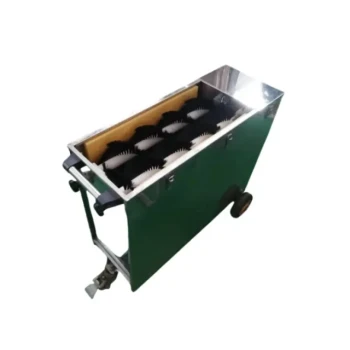
| Machinery | Automates hive-making and honey-filling | Standardizes production cycles and ensures a continuous flow to the market. |
Secure Your Commercial Honey Production with HONESTBEE
At HONESTBEE, we empower commercial apiaries and distributors with a comprehensive range of professional solutions designed for industrial success. From high-quality protective suits and smokers to advanced honey-filling and hive-making machinery, our wholesale catalog is built to optimize your yields and ensure supply consistency.
How HONESTBEE Supports Your Growth:
- Comprehensive Wholesale Offering: A full spectrum of beekeeping tools, machinery, and industry consumables.
- Industrial Efficiency: Specialized hardware tailored for large-scale operations and hive manufacturing.
- Market Advantage: Access to everything from essential hardware to honey-themed cultural merchandise.
Partner with an industry expert to stabilize your supply chain and maximize your biological potential. Contact HONESTBEE today!
References
- Teresa Borena Besha, Hailu Chala. Marketable supply of honey: evidence from farmers households in Ethiopia. DOI: 10.17306/j.jard.2022.01525
This article is also based on technical information from HonestBee Knowledge Base .
Related Products
- HONESTBEE 15-in-1 Beekeeper Multi-Tool with Hammer and Pliers for Beekeeping
- HONESTBEE Advanced Ergonomic Stainless Steel Hive Tool for Beekeeping
- Stainless Steel Queen Grafting Tool for Beekeeping and Bee Queen Grafting
- HONESTBEE Professional Mini J-Hook Hive Tool for Beekeeping
- Stainless Steel J Hook Hive Tool for Beekeeping
People Also Ask
- What is the recommended method for storing beekeeping tools? Expert Vertical Storage Solutions for Your Apiary
- Why is the treatment of beekeeping tools with high-concentration chemical disinfectants necessary for preventing AFB?
- How does a favorable microclimate interact with beekeeping tools? Boost Overwintering Success and Equipment Longevity
- Why are specialized beekeeping tools and consumables essential? Enhance Colony Management and Honey Yield Today
- Why design beekeeping tools with ergonomics in mind? Empowering All Beekeepers with Inclusive Equipment