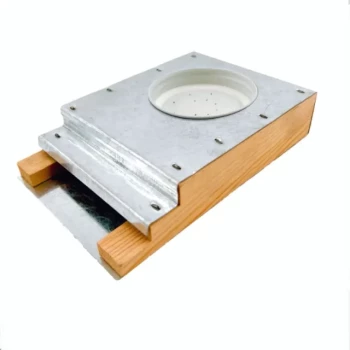
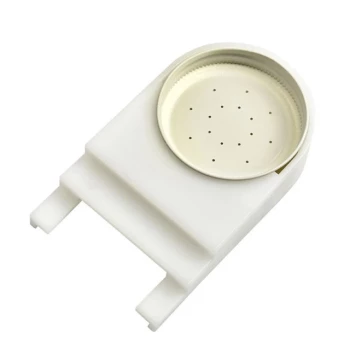
Specialized feeding equipment and supplemental feed function as a critical life-support system for honeybee colonies during periods of environmental stress. During the dry season, they substitute for scarce natural nectar and pollen, providing the essential energy required to prevent starvation and colony collapse.
The primary function of dry season feeding is not just survival, but strategic readiness. By maintaining colony strength when forage is scarce, you prevent absconding and ensure the population is robust enough to maximize production immediately upon the return of flowering seasons.
The Mechanics of Colony Preservation
Bridging the Nutritional Gap
During the dry season, natural sources of pollen and nectar—the bees' primary food sources—dwindle significantly.
Specialized equipment is used to deliver supplemental feed, such as specific sugar solutions or honey. This artificial input acts as a direct substitute for natural foraging, providing the essential energy the colony needs to function.
Preventing Colony Loss
The most immediate function of supplemental feeding is the prevention of absconding.
When colonies face starvation due to a lack of resources, they are biologically driven to abandon the hive in search of better conditions. Consistent feeding mitigates this risk, ensuring the bees remain in the apiary rather than fleeing or dying off.
Strategic Impact on Production
Maintaining Population Strength
Beyond basic survival, feeding programs are designed to keep the colony strong.
A colony that barely survives the dry season will be weak and unable to forage effectively when the rains return. By providing supplemental feed, you ensure the bee population remains robust throughout the dearth.
Enabling Rapid Harvest Cycles
The ultimate goal of this maintenance is to prepare for the subsequent flowering season.
Because the colony remains strong during the dry season, it is ready for production the moment natural nectar becomes available. This readiness facilitates higher survival rates and allows beekeepers to achieve multiple honey harvests per year.
Understanding the Trade-offs
The Cost of Management vs. The Cost of Loss
Implementing a feeding program changes beekeeping from a passive activity to an active management practice.
While it requires investment in equipment and feed, relying solely on natural sources during the dry season carries the high risk of total colony loss through starvation or absconding. The trade-off is an upfront investment of resources to secure the future stability and profitability of the apiary.
Optimizing Your Dry Season Strategy
To effectively utilize feeding equipment, align your approach with your specific management goals:
- If your primary focus is Colony Retention: prioritize consistent energy provision to prevent starvation and stop bees from absconding.
- If your primary focus is Maximizing Yield: maintain high-volume feeding to keep population numbers high, ensuring the colony can immediately exploit the next flowering season.
Strategic feeding transforms the dry season from a period of loss into a period of preparation for high-yield success.
Summary Table:
| Feature | Function in Dry Season | Impact on Apiary |
|---|---|---|
| Specialized Feeders | Controlled delivery of sugar solutions/pollen substitutes | Prevents starvation and hive abandonment (absconding) |
| Supplemental Feed | Provides essential energy & proteins when nectar/pollen is scarce | Maintains brood rearing and colony population levels |
| Colony Maintenance | Bridges the nutritional gap between flowering seasons | Ensures hives are production-ready for the next nectar flow |
| Strategic Feeding | Active management of colony strength | Enables multiple annual harvests and higher profitability |
Maximize Your Apiary’s Resilience with HONESTBEE
Don't let the dry season compromise your productivity. HONESTBEE empowers commercial apiaries and distributors with the high-quality tools and machinery needed to sustain thriving colonies year-round.
Our comprehensive wholesale range includes:
- Precision Feeding Equipment: Ensure consistent nutrition and prevent colony absconding.
- Professional Machinery: From hive-making to advanced honey-filling machines for high-volume production.
- Essential Consumables: A full spectrum of beekeeping tools and industry essentials.
Partner with HONESTBEE to secure your future harvests and enhance your operational efficiency. Contact our expert team today to discuss your wholesale equipment needs and take your beekeeping business to the next level!
References
- Teklu Gebretsadik, Dinku Negash. HONEYBEE PRODUCTION SYSTEM, CHALLENGES AND OPPORTUNITIES IN SELECTED DISTRICTS OF GEDEO ZONE, SOUTHERN NATION, NATIONALITIES AND PEOPLES REGIONAL STATE, ETHIOPIA. DOI: 10.29121/granthaalayah.v4.i4.2016.2754
This article is also based on technical information from HonestBee Knowledge Base .
Related Products
- Professional In-Hive Bee Feeder HONESTBEE Frame for Beekeeping
- HONESTBEE Entrance Bee Feeder Efficient Hive Front Liquid Feeding Solution for Beekeeping
- Boardman Entrance Bee Feeder Durable Galvanized Steel and Wood Construction for Beekeeping
- Professional Hive Top Bee Feeder for Beekeeping
- HONESTBEE Entrance Bee Feeder Professional Hive Nutrition Solution for Beekeeping
People Also Ask
- When should beekeepers stop feeding their bees? Let Your Bees Tell You
- Why is the use of a beekeeping feeder for syrup supplementation important? Boost Colony Growth and Survival
- What are the common types of internal and external feeders used in beekeeping? Choose the Right Feeder for Your Hive
- What is a feeder in the context of beekeeping? Optimize Your Hive Nutrition and Growth
- How do specialized feeders contribute to effective artificial feeding? Scientific Apiary Management & Colony Health