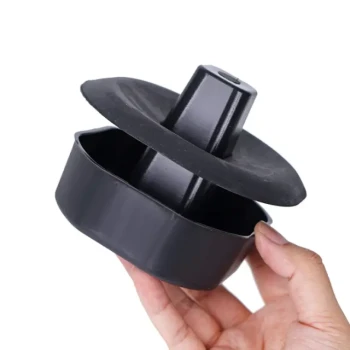
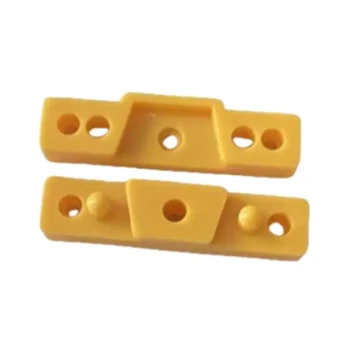
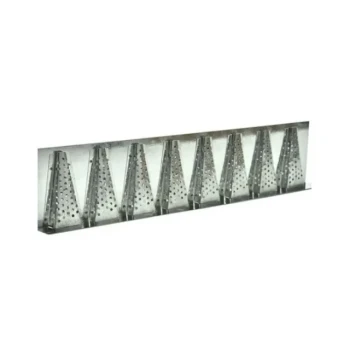
Standardized beehives with insect-proof pillars serve as a primary physical defense system for colony security. By elevating the hive structure on specialized supports, they create an effective barrier that isolates the colony from the ground. This specific hardware configuration prevents crawling predators—most notably ants and geckos—from invading the hive to attack the bee population or raid honey stores.
The inclusion of insect-proof pillars transforms a beehive from simple shelter into a defensive fortification. By physically blocking ground-based threats, this hardware foundation significantly reduces bee mortality and secures the stability required for a colony to establish itself.
The Mechanics of Physical Isolation
Preventing Resource Theft and Predation
The primary function of insect-proof pillars is to break the path of entry for ground-dwelling pests. Without this isolation, predators like ants can easily swarm a hive to steal honey, while geckos may enter to prey on the bees themselves.
By utilizing these pillars, beekeepers rely on physical isolation rather than chemical deterrents to protect the colony. This ensures the safety of the bees and the purity of the honey resources.
Ensuring Colony Stability
A colony under constant attack cannot thrive. The stability provided by excluding these predators allows the colony to focus energy on foraging and brood rearing rather than defense.
This "hardware foundation" is critical for reducing mortality rates, particularly during the vulnerable early stages of colony establishment.
The Role of Standardization
Controlled Growth Environments
Beyond protection, the "standardized" aspect of these hives provides a controlled environment for honeybee growth. Uniform dimensions ensure that internal conditions remain consistent, which is vital for the colony's long-term health.
Consistency for Research and Management
Standardization allows for repeatable conditions, which is essential if you are conducting research or managing multiple hives. For example, researchers use standardized hives to house fixed numbers of bees (e.g., 1500 workers and one queen) to accurately test treatments for diseases like American Foulbrood.
Preventing Structural Weaknesses
Standardized hives are designed with high precision to ensure components fit tightly together. High-quality materials and precise sealing reduce gaps in the wood, which helps prevent other pests, such as wax moths, from entering and laying eggs.
Understanding the Trade-offs
Pillars vs. Airborne Threats
While insect-proof pillars are highly effective against crawling predators (ants/geckos), they offer no protection against airborne pests. Wax moths, for instance, bypass pillars entirely and require robust hive structure and manual cleaning to control.
Hardware is Not a Cure-All
Physical isolation protects against predation but does not prevent disease. Issues like American Foulbrood or bacterial infections require distinct management strategies, such as antibiotic treatments or essential oils, regardless of the hive's physical security.
Making the Right Choice for Your Goal
To maximize the effectiveness of your apiary, align your equipment choices with your specific management objectives:
- If your primary focus is Colony Survival: Prioritize insect-proof pillars to eliminate mortality caused by ground-based predators like ants and geckos.
- If your primary focus is Pest Management: Combine pillars with high-precision, standardized construction to minimize gaps that harbor wax moths.
- If your primary focus is Research or Comparative Study: Utilize standardized hives to ensure consistent variables, such as colony size and comb dimensions, across all groups.
Success in beekeeping relies on establishing a secure physical baseline that allows the biological colony to thrive without constant external interference.
Summary Table:
| Feature | Function & Purpose | Primary Benefit |
|---|---|---|
| Insect-Proof Pillars | Physical isolation from ground paths | Prevents ant and gecko invasions |
| Elevated Structure | Breaks the entry point for crawling pests | Reduces bee mortality and resource theft |
| Standardized Dimensions | Uniform internal environment | Enables consistent colony growth & research |
| Precision Sealing | Eliminates gaps in hive construction | Minimizes entry points for wax moths |
| Hardware Defense | Non-chemical protection baseline | Maintains honey purity and colony stability |
Maximize Your Apiary Productivity with HONESTBEE
As a leading partner for commercial apiaries and distributors, HONESTBEE understands that colony security is the foundation of a profitable honey harvest. We provide a comprehensive wholesale range of standardized beekeeping tools, machinery, and specialized hardware, including precision-engineered hive-making systems and honey-filling solutions.
Whether you are scaling your operation or supplying the next generation of beekeepers, our equipment is designed to eliminate ground-based threats and optimize hive management. From essential consumables to honey-themed cultural merchandise, we deliver the value and durability your business demands.
Ready to upgrade your apiary’s defense?
Contact HONESTBEE Today for Wholesale Pricing and Expert Solutions
References
- I Made Subrata, I Wayan Sumandya. PKM KELOMPOK TERNAK LEBAH MADU (APIS CERANA) DALAM PENINGKATAN KESEJAHTERAAN KELOMPOK DI DESA BAHA. DOI: 10.59672/widyamahadi.v4i1.3392
This article is also based on technical information from HonestBee Knowledge Base .
Related Products
- Professional Ant-Proof Beehive Stand with Integrated Moat for Beekeeping
- Metal Hive Feet Bee Hive Stand for Ant Protection
- Professional Insulated Plastic Bee Hives
- Wholesales Dadant Size Wooden Bee Hives for Beekeeping
- Assembled Wooden Bee Frames with Plastic Foundation for Durability and Convenience by HONESTBEE
People Also Ask
- What physical protection advantages do individual hive stands provide against Small Hive Beetles? Secure Your Apiary
- Why are specialized ant-proof stands necessary for Africanized honeybee apiaries? Prevent Absconding in Semi-Arid Regions
- Why are specialized beehive stands or protective barriers necessary for pest management in apiaries? Secure Your Colony
- What are the benefits of elevating a bee hive with a stand or base? Protect Your Colony and Your Back
- What to stand a beehive on? The Best Foundation for a Healthy, Manageable Apiary