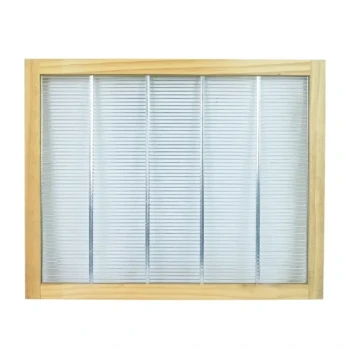
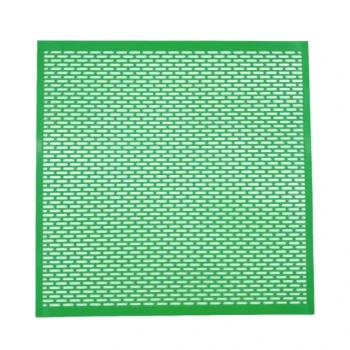
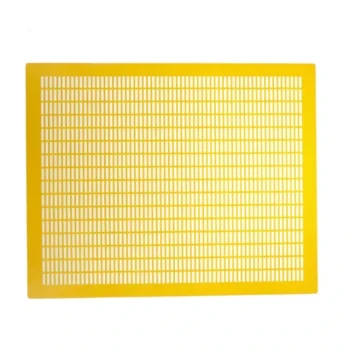
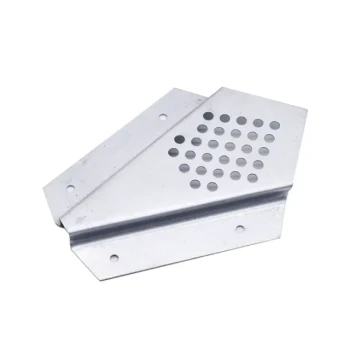
The transverse queen excluder metal mesh serves as a strategic separation interface designed for hive hygiene monitoring. In a Collector-type dead bee trap, this specific mesh replaces the tight grid found in standard pollen traps. Its primary function is to maintain normal traffic flow for worker bees while mechanically guiding "undertaker" bees to deposit dead hive mates into a specific storage chamber below, rather than ejecting them outside the hive.
By repurposing the specific spacing of a queen excluder, this device transforms a hive entrance from a simple doorway into a passive sorting machine that filters out dead bees for collection without disrupting colony activity.
The Mechanics of the Collector-Type Trap
Facilitating "Undertaker" Behavior
In a standard hive setup, worker bees responsible for cleaning (undertakers) carry dead bees out of the entrance and fly them away.
The transverse mesh alters this workflow. It utilizes specific grid spacing that allows the live worker to pass through but acts as a physical guide that encourages or forces the release of the dead bee into the collection area.
Replacing the Pollen Grid
The Collector-type trap is mechanically similar to a pollen trap but serves a different purpose.
To convert the device for mortality monitoring, the standard pollen-stripping grid is removed. It is replaced by the transverse queen excluder metal mesh, which offers less resistance to moving bees while still providing the necessary structure to separate waste (dead bees) from the workforce.
Why Queen Excluder Mesh is Used
Leveraging Precise Spacing
The "queen excluder" is named for its traditional use in preventing the queen from entering honey supers, but its material properties are what matter here.
The mesh acts as a sieve with a gauged precision, typically between 4.1 and 4.4 millimeters. In the context of the trap, this size is perfect for allowing live workers to navigate the entrance comfortably while creating the physical conditions necessary to intercept dead bodies being carried out.
Maintaining Normal Passage
A critical requirement for any hive trap is minimizing stress on the colony.
Because the mesh is designed to allow worker bees to pass through freely, it ensures that the daily foraging and resource gathering of the colony are not impeded. This allows the beekeeper to collect data on bee mortality without accidentally harming the colony's productivity.
Understanding the Trade-offs
Specificity vs. Multi-use
It is important to understand that when the transverse queen excluder mesh is installed, the device ceases to function as a pollen trap.
You cannot collect pollen and dead bees simultaneously with the same grid configuration. The spacing required to strip pollen pellets is significantly tighter than the spacing used to guide dead bees into the storage chamber.
Debris Accumulation
While the mesh is designed to separate dead bees, the grid structure can occasionally catch other hive debris.
Beekeepers must monitor the mesh to ensure it does not become clogged with propolis or oversized waste, which could eventually restrict ventilation or worker movement if left unchecked.
Making the Right Choice for Your Goal
To select the correct equipment configuration for your hive management, consider your immediate objective:
- If your primary focus is monitoring colony health: Install the transverse queen excluder mesh to track daily mortality rates and check for signs of disease without opening the hive.
- If your primary focus is harvesting resources: Remove the queen excluder mesh and reinstall the standard pollen grid to strip pollen pellets from returning foragers.
By utilizing the specific geometry of the queen excluder mesh, you convert the hive entrance into a diagnostic tool that passively collects data on colony survival.
Summary Table:
| Feature | Specification/Purpose |
|---|---|
| Core Function | Mechanically separates dead bees from live worker traffic for mortality monitoring |
| Mesh Spacing | Typically 4.1mm to 4.4mm (standard queen excluder dimensions) |
| Mechanism | Replaces pollen grids to reduce traffic resistance while trapping debris |
| Primary Benefit | Passive hive hygiene diagnostic tool without disrupting colony productivity |
| Maintenance | Periodic cleaning required to prevent propolis or debris buildup |
Scale Your Apiary Operations with HONESTBEE
Maximize your hive management efficiency with professional-grade tools. At HONESTBEE, we specialize in supporting commercial apiaries and global distributors with a robust wholesale catalog. Whether you need precise metal components like queen excluders, high-capacity honey-filling machines, or specialized hive-making hardware, we deliver the quality your business demands.
Our value to you:
- Comprehensive Range: From essential consumables to heavy-duty beekeeping machinery.
- Industry Expertise: Solutions tailored for large-scale production and distribution.
- Global Supply Chain: Reliable wholesale fulfillment for international markets.
Ready to upgrade your equipment or stock our premium products? Contact our expert team today to discuss your wholesale needs and see how HONESTBEE can grow your business!
References
- José Luis Gómez Pérez, Aránzazu Meana. Easy ways to determine honey bee mortality using dead-bee traps. DOI: 10.1080/00218839.2001.11101045
This article is also based on technical information from HonestBee Knowledge Base .
Related Products
- Premium Wood Framed Metal Wire Queen Bee Excluder
- Metal Queen Bee Excluder for Beekeeping
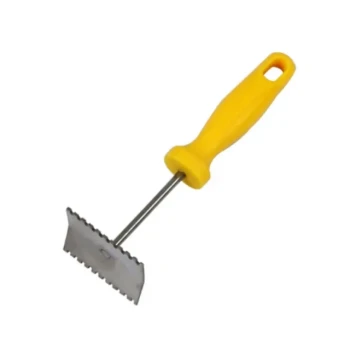
- Stainless Steel Scraper for Metal Queen Bee Excluders
- High Performance Plastic Queen Excluder for Beekeeping and Apiary Management
- Professional Plastic Queen Excluder for Modern Beekeeping
People Also Ask
- What types of queen excluders are available for beekeepers? Choose the Right Tool for Your Hive
- Why are standardized hive frames and queen excluders essential for maintaining honey purity and quality? Scale Your Purity
- How does a queen-bee excluder function as a defense against Small Hive Beetles? Protect Your Honey with Resource Denial
- What is the purpose of an entrance queen excluder? Prevent Absconding and Stabilize Your New Honeybee Colony
- What is the function of a queen excluder? Maximize Honey Yield and Ensure Data Integrity for Your Apiary