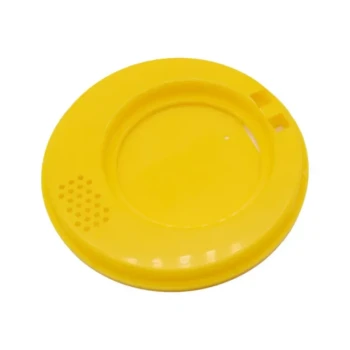
The functional role of low-protein carbohydrate feed is to act as a metabolic fuel source that sustains colony life without triggering the reproductive cycle. This specialized feed provides the necessary calories for temperature regulation and basic survival during winter dormancy, while intentionally limiting the specific nutrients required for larval growth.
Core Takeaway Winter management requires a delicate balance between survival and resource conservation. By utilizing feed that is high in carbohydrates but low in protein, you ensure the colony maintains the energy to generate heat while preventing the premature and resource-intensive onset of brood rearing.
The Physiology of Winter Survival
Sustaining Core Temperature
The primary function of carbohydrate feed during winter is thermoregulation. Honeybees do not hibernate; they cluster together and vibrate their flight muscles to generate heat.
This physical exertion requires significant caloric energy. Carbohydrate feeds, such as sugar syrup or solid sugar boards, act as the fuel for these muscles. Without these reserves, the colony cannot maintain the hive temperature required to prevent freezing.
Preventing Resource Exhaustion
Natural nectar sources are generally unavailable or exhausted during winter months. Supplemental carbohydrates serve as a nutritional safety net, replacing natural stores that may have been over-harvested or consumed too quickly.
Providing this energy prevents "starvation out," a common cause of winter mortality where the colony runs out of fuel to generate heat, even if the bee population is otherwise healthy.
Controlling the Reproductive Cycle
Suppressing Premature Brood Rearing
A critical aspect of winter management is timing. High levels of protein are the biological signal for the queen to begin laying eggs and for nurse bees to feed larvae.
By providing low-protein feed, you supply energy without signaling the colony to expand. If a colony begins rearing brood too early (during deep winter), the bees must consume excessive resources to keep the brood warm, often leading to exhaustion or starvation before spring arrives.
The Spring Transition
The low-protein strategy is temporary. As warmer weather approaches, the colony's needs shift from pure survival to population growth.
At this stage, beekeepers must transition from simple carbohydrate feeds to pollen substitute patties containing higher protein levels. This distinct switch supports active brood rearing, ensuring the colony population peaks in time for the spring foraging season.
Understanding the Trade-offs
Managing Feeder Risks
While supplemental feeding is essential, the method of delivery matters. Poorly designed feeding setups can lead to bee mortality through drowning or by inciting robbing behavior from stronger, neighboring colonies.
To mitigate this, specialized feeders designed for winter use are required. These provide a controlled environment that restricts access to the syrup or solid feed, protecting the bees and the resource.
Nutritional Imbalances
Reliance on low-protein feed is effective for winter dormancy, but prolonged use into the active season will stunt colony growth.
If you fail to introduce protein as the season turns, the colony will lack the "building blocks" (amino acids) necessary for raising new generations. This results in a weak population that cannot effectively forage when natural nectar flows begin.
Making the Right Choice for Your Goal
To manage your colony effectively, match your feeding strategy to the seasonal phase:
- If your primary focus is Winter Survival: Utilize low-protein carbohydrate feeds (syrup or solid dry matter) to maintain hive temperature and prevent starvation without stimulating brood production.
- If your primary focus is Spring Buildup: Transition to high-protein pollen substitutes as weather warms to support rapid larval growth and colony expansion.
- If your primary focus is Resource Security: Use specialized feeders to prevent drowning and robbing, ensuring the feed remains a secure reserve for the intended colony.
Successful winter management relies on providing energy for heat today while reserving the protein signal for growth tomorrow.
Summary Table:
| Feed Type | Primary Function | Primary Nutrient | Reproductive Signal |
|---|---|---|---|
| Carbohydrate Feed | Thermoregulation & Survival | High (Calories) | Suppressed (Low Protein) |
| Pollen Substitutes | Population Growth/Brood Rearing | High (Protein) | Stimulated |
| Natural Nectar | Foraging & Storage | Variable | Seasonal Dependent |
Maximize Your Colony’s Winter Survival Rate with HONESTBEE
Navigating the delicate balance of winter feeding is essential for any successful commercial apiary or distributor. At HONESTBEE, we understand that the right nutrition requires the right delivery.
We provide a comprehensive wholesale range of beekeeping tools and machinery designed to streamline your operations. From specialized winter-safe feeders that prevent drowning and robbing to professional honey-filling machines and hive-making hardware, our portfolio is built to support your growth.
Partner with HONESTBEE to access:
- High-Quality Machinery: Durable equipment for large-scale apiary management.
- Essential Consumables: A full spectrum of tools and industry-standard supplies.
- Expert Support: Tailored solutions for commercial beekeepers and global distributors.
Contact us today to explore our wholesale catalog and enhance your apiary's efficiency!
Related Products
- HONESTBEE Professional Entrance Bee Feeder Hive Nutrition Solution
- HONESTBEE Entrance Bee Feeder Professional Hive Nutrition Solution for Beekeeping
- HONESTBEE Entrance Bee Feeder Efficient Hive Front Liquid Feeding Solution for Beekeeping
- HONESTBEE Round Hive Top Bee Feeder for Syrup
- HONESTBEE Professional Hive Top Bee Feeder Feeding Solution
People Also Ask
- What types of bee feeders are available for beginners? Start with the Simple Entrance Feeder
- What are the advantages and disadvantages of using an entrance feeder for bees? Balance Convenience and Hive Security.
- How does a bee entrance feeder work? A Simple Guide to Convenient Hive Feeding
- What is a bee entrance feeder and what are its drawbacks? Essential Guide to Hive Security and Feeding Efficiency
- How to make an entrance feeder for bees? A DIY Guide for Safe & Effective Feeding