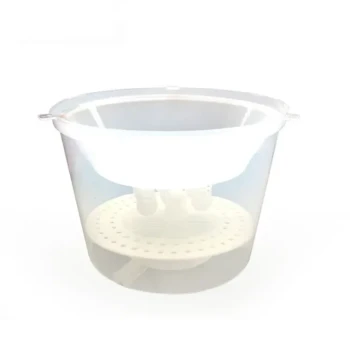
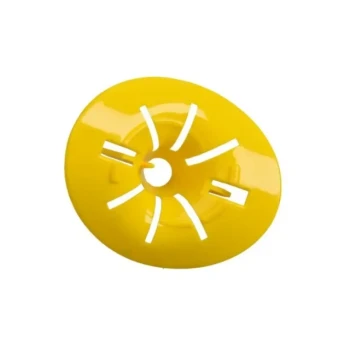
Pollen traps function as precision mechanical barriers. Installed at the hive entrance, they serve the specific role of stripping pollen pellets from the hind legs of returning worker bees using specific pore-sized apertures. This forces the pollen to drop into a collection tray, enabling large-scale harvesting while allowing the bees to enter the hive unharmed.
The pollen trap is the foundational hardware for commercial pollen production. It automates the separation of raw material from the forager, converting a biological process into a scalable industrial workflow without compromising the immediate safety of the insect.
The Mechanics of Extraction
Physical Separation via Apertures
The core mechanism of the trap is a grid or sieve plate comprised of precisely measured holes. These apertures are situated directly in the flight path of bees returning to the hive.
The Stripping Action
As worker bees attempt to squeeze through these specific pore-sized devices, the physical constriction creates friction against their hind legs. This mechanical action scrapes or dislodges the pollen balls (pellets) carried in the bee's corbiculae (pollen baskets).
Automated Collection
Once dislodged, gravity causes the pollen pellets to fall away from the bee and into a designated collection box or tray below. This isolates the harvested product immediately, preventing it from entering the main hive body.
Strategic Advantages for Producers
Enabling Commercial Scale
Without these traps, harvesting bee pollen in significant quantities is impossible. They transform the hive into a production unit, with high-performance models capable of yielding up to 36kg of pollen per colony annually.
Improving Product Purity
By intercepting pollen at the entrance, the trap acts as a filter against internal hive contaminants. This reduces the entry of impurities, ensuring the raw pollen collected is cleaner and ready for nutritional analysis or processing.
Data and Classification
Beyond food production, these traps allow for the collection of fresh samples for statistical analysis. They provide the raw material necessary for botanical classification and yield statistics.
Understanding the Trade-offs
Precision is Critical
The design relies entirely on the accuracy of the hole diameter. If apertures are too small, they will physically injure the bees. If they are too large, the pollen will not be stripped effectively, rendering the trap useless.
Balancing Hive Nutrition
While the device is designed to be non-destructive, it does intercept the colony's protein source. To avoid negatively impacting colony development, traps are often deployed only during peak foraging times (e.g., 6:00 AM to 11:00 AM), rather than continuously.
Making the Right Choice for Your Goal
- If your primary focus is Commercial Production: Prioritize high-performance traps with optimized aperture designs to maximize yield (up to 36kg/year) and minimize impurity intake.
- If your primary focus is Colony Health: Ensure you select traps with high-precision manufacturing to prevent insect injury and strictly manage deployment schedules to allow the hive to feed itself.
Effective pollen harvesting requires balancing the mechanical efficiency of the trap with the biological needs of the colony.
Summary Table:
| Feature | Functional Role & Specification |
|---|---|
| Mechanism | Precision mechanical stripping via calibrated apertures |
| Primary Output | Up to 36kg of pollen per colony annually |
| Purity Control | Intercepts pollen at entrance to prevent hive contamination |
| Deployment Timing | Peak foraging hours (approx. 6:00 AM – 11:00 AM) |
| Key Benefit | Enables industrial-scale collection and botanical analysis |
Elevate Your Commercial Pollen Production with HONESTBEE
As a dedicated partner to commercial apiaries and global distributors, HONESTBEE understands that precision is the difference between a successful harvest and a damaged colony. We provide a comprehensive wholesale range of high-performance beekeeping machinery and tools, including precision-engineered pollen traps, honey-filling machines, and hive-making equipment designed for industrial efficiency.
Whether you are scaling your pollen yield or sourcing essential consumables, our portfolio offers the hardware and expertise to optimize your workflow. Contact us today to explore our wholesale solutions and see how we can help your business thrive with professional-grade beekeeping technology.
References
- Carlos Fuenmayor B, Saverio Mannino. Evaluation of the physicochemical and functional properties of Colombian bee pollen. DOI: 10.21897/rmvz.120
This article is also based on technical information from HonestBee Knowledge Base .
Related Products
- Removable Plastic Pollen Trap With Ventilated Tray for Bees Pollen Collector
- 30 cm Plastic Entrance Hole Bee Pollen Trap and Collector
- Plastic Bee Pollen Trap Strips Comb Catcher Collector
- High-Efficiency Diamond Maze Bee Escape for Clearing Supers
- Professional Bucket Style Wasp and Moth Pheromone Trap
People Also Ask
- What are the design principles and advantages of pollen traps in the collection of bee pollen? Boost Your Apiary Yield
- What is the function of professional pollen traps in evaluating honey plants? Quantifying Pollination and Crop Potential
- What functions do pollen traps serve for bee bread production? Optimize Your Raw Material Collection
- What maintenance and pest prevention measures should be taken for pollen traps? Protect Your Hive and Harvest Quality
- How does the use of pollen traps in honeybee hives enhance crop fertilization? Boost Your Yield Through Induced Activity