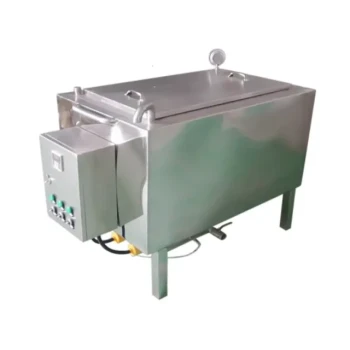
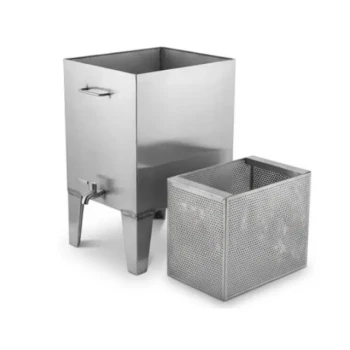
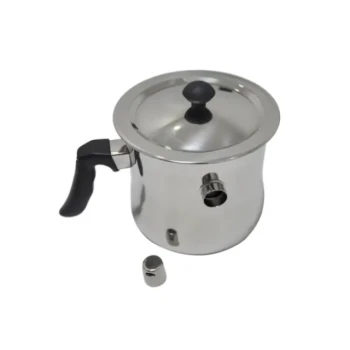
The rendering process transforms raw beeswax from a sticky, debris-filled by-product into a clean, usable material. The general procedure involves collecting the raw comb, draining residual honey, rinsing the wax in cool water, melting it—typically with water to aid separation—filtering it through a fabric barrier, and allowing it to solidify into a pure block.
Core Takeaway Rendering is effectively a purification cycle that relies on heat and density differences. By melting wax with water, clean wax floats to the top while heavy impurities sink, allowing you to filter out debris and create a stable product for candles, cosmetics, or finishes.
Preparing the Raw Material
Collection and Draining
The process begins by gathering excess beeswax, such as cappings removed during honey extraction or crushed honeycomb. Before any heat is applied, you must drain as much residual honey as possible from the wax.
The Initial Rinse
Once drained, rinse the beeswax in cool, clean water to remove water-soluble stickiness. Critical Warning: Do not perform this rinse in a standard household sink. Wax particles can solidify in your plumbing, causing severe and expensive clogs.
The Melting and Separation Phase
Melting with Water
Place the washed wax in a pot, often adding water to the mixture. The water serves two purposes: it prevents the wax from scorching, and it acts as a separation medium where heavy dirt sinks while the lighter wax floats.
Temperature Management
Heat the mixture gently using a dedicated pot, double boiler, or crock pot. Keep the temperature low; you want to melt the wax, not boil it. Stir occasionally to break up clumps and help release trapped debris.
The Immersion Alternative
Alternatively, you can wrap the raw wax tightly in a piece of muslin before placing it in water. As the water heats, the melted wax filters through the cloth and rises to the surface, leaving the bulk of the debris trapped inside the fabric bundle.
Filtration and Solidification
Filtering the Molten Wax
Once fully melted, pour the wax and water mixture through a filter. Effective materials include nylon, cheesecloth, or sweatshirt fabric, which catch fine particulates like pollen and bee parts.
The Cooling Process
Pour the filtered liquid into a flexible container or mold. Suitable options include silicone cake pans, muffin tins, or rinsed cardboard milk cartons. Allow the wax to cool slowly, ideally overnight.
Final Refining
As the wax hardens, it will form a solid cake on top of the water. Once removed, you will likely find a layer of greyish sediment on the bottom of the wax disc. Scrape this layer off to reveal the clean yellow wax beneath.
Understanding the Trade-offs
Purity vs. Effort
A single rendering pass is often insufficient for high-stakes projects. Applications like candle making require extremely clean wax to prevent wick clogging; this often necessitates repeating the melting and filtering process multiple times.
Equipment Sacrifice
Beeswax is notoriously difficult to remove from tools. Any pot, spoon, or container used for rendering should be considered permanently dedicated to wax work. Do not use your primary kitchen cookware.
Safety Considerations
Wax is flammable, and hot wax causes severe burns. Never leave the melting pot unattended, and ensure you use a water bath (double boiler method) to moderate the temperature effectively.
Making the Right Choice for Your Goal
To determine how rigorous your rendering process needs to be, consider your final application:
- If your primary focus is Candle Making or Cosmetics: Perform the rendering process at least twice and filter through fine nylon to ensure zero impurities remain to clog wicks or irritate skin.
- If your primary focus is Workshop Use (Rust prevention, wood finish): A single pass through a sweatshirt filter is usually sufficient, as minor visual impurities will not affect performance.
- If your primary focus is Ease of Cleanup: Use disposable molds like milk cartons and line your work area with newspaper, as solidified wax is incredibly labor-intensive to remove from surfaces.
The quality of your finished project is directly determined by the patience and care you invest in the rendering process.
Summary Table:
| Rendering Step | Action | Key Benefit |
|---|---|---|
| Preparation | Drain honey & rinse in cool water | Removes stickiness and residual sugars |
| Melting | Heat gently with water (Double Boiler) | Prevents scorching; facilitates debris separation |
| Filtration | Pour through cheesecloth or nylon | Removes fine particulates like pollen and bee parts |
| Solidification | Cool slowly in flexible molds | Allows wax to harden into stable, usable blocks |
| Refining | Scrape sediment from the bottom | Ensures the highest purity for candles or cosmetics |
Elevate Your Apiary Operations with HONESTBEE
High-quality beeswax starts with professional-grade tools. As a premier provider for commercial apiaries and distributors, HONESTBEE delivers the full spectrum of equipment needed to scale your wax and honey production.
Why partner with us?
- Comprehensive Inventory: From hive-making machinery and honey-filling stations to specialized beekeeping hardware.
- Industry Consumables: A wide array of essential supplies and honey-themed cultural merchandise.
- Wholesale Excellence: Tailored solutions designed to help distributors and large-scale operations thrive.
Ready to enhance your efficiency and product quality? Contact us today to explore our wholesale catalog and discover how HONESTBEE can support your business growth.
Related Products
- Manual Beeswax Flat Sheet Machine for Beeswax Processing
- Fully Automatic Beeswax Embossing Machine Foundation Mill
- Electric Commercial Beeswax Melter for Factory Use
- Steam Beeswax Melter Wax Warmer for Wax Processing
- Electric Beeswax Flat Sheet Machine with Operating Tray for Wax Processing
People Also Ask
- What is the primary function of the double-roller extrusion system? Master Precision Beeswax Foundation Production
- How do cultural merchandise processing machines contribute to the economic value chain? Boosting Apiary Profitability
- What are some practical tips for managing equipment and workspace when processing beeswax? Essential Studio Setup Tips
- How do specialized beeswax processing machines maximize the value of beekeeping by-products? Boost Your Apiary's ROI
- What role does beeswax processing equipment play in development of by-products? Turn Apiary Waste into High-Value Profit