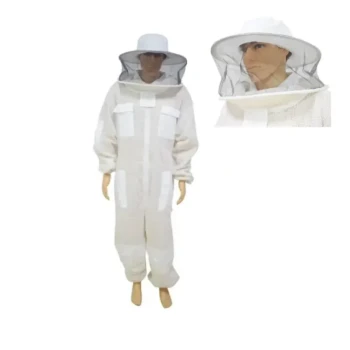
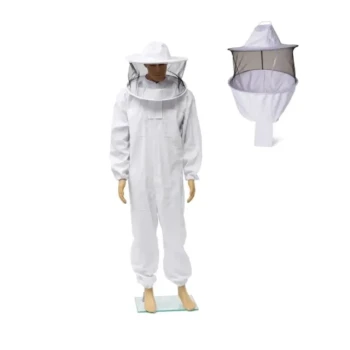
The history of the bee suit traces a clear evolution from rudimentary barriers to sophisticated, purpose-built safety equipment. While early apiarists relied on simple thick cloths and smoke to ward off stings, the first formal protective suits appeared in the late 19th and early 20th centuries, marking a shift toward standardized protection in the growing field of apiculture.
The evolution of beekeeping gear represents a transition from purely defensive measures to ergonomic efficiency. Modern suits are the culmination of this history, balancing the absolute safety required by early designs with the breathability and mobility essential for professional workflow.
The Early Eras of Protection
Rudimentary Methods
Before the standardization of beekeeping equipment, protection was informal and often improvised.
Early beekeepers utilized rudimentary methods to create a barrier between themselves and the hive. This typically involved wrapping themselves in thick cloth to prevent stings from reaching the skin.
The Role of Smoke
Alongside physical barriers, smoke was a primary tool for protection.
While not a piece of clothing, the use of smoke was integral to early safety strategies. It served to calm the bees, reducing the reliance on complex protective gear during hive maintenance.
The Industrial Shift (19th & 20th Centuries)
The First Formal Suits
As apiculture advanced technologically in the late 19th and early 20th centuries, the need for specialized gear became apparent.
This era saw the emergence of the first formal bee suits. These were designed specifically for the trade, moving away from improvised household fabrics.
Prioritizing Defense
The design philosophy of this era was heavily skewed toward invulnerability.
Manufacturers utilized heavy, dense materials to ensure stings could not penetrate the suit. While effective at stopping bees, these materials prioritized protection over the wearer's comfort.
The Modern Evolution
The Shift to Ergonomics
As beekeeping grew in popularity, the limitations of heavy, restrictive suits became a hurdle.
Designers began to recognize that a beekeeper's efficiency is linked to their physical comfort. This led to a focus on ergonomics, ensuring suits allowed for a full range of motion.
Innovation in Breathability
Modern technology allowed for a breakthrough in material science within the industry.
Contemporary suits are defined by their ability to breathe. Unlike their stifling 20th-century predecessors, modern designs ventilate heat while maintaining a secure barrier against stings.
The Historical Trade-off: Safety vs. Comfort
The Weight of Protection
In the early history of the formal bee suit, safety came at a physical cost.
The heavy materials required to stop stings inevitably trapped heat and added weight. This made long sessions in the apiary physically exhausting and uncomfortable.
The Modern Resolution
Today's designs aim to eliminate this compromise.
By utilizing advanced fabrics, modern suits provide the high-level protection established in the 19th century without the bulk. The goal is to protect the beekeeper not just from stings, but from heat fatigue and restricted movement.
Choosing the Right Gear for Your Needs
Understanding the history of bee suits highlights the importance of balancing protection with usability. When selecting your equipment, consider how far the technology has come to serve your specific goals.
- If your primary focus is maximum security: Look for suits with multi-layered mesh or heavy canvas that mimic the impenetrability of early designs, ensuring confidence in high-aggression situations.
- If your primary focus is long-duration work: Prioritize modern, ventilated synthetic suits that leverage ergonomic advancements to reduce fatigue during extended hive inspections.
The best protective gear is one that honors the historical necessity of safety while embracing the modern necessity of comfort.
Summary Table:
| Era | Primary Materials | Key Features | Design Philosophy |
|---|---|---|---|
| Pre-19th Century | Thick household cloth | Improvised wrapping, heavy use of smoke | Rudimentary defense |
| Late 19th - Early 20th | Heavy canvas & dense fabrics | First formal standardized patterns | Maximum protection/Invulnerability |
| Mid-20th Century | Rigid heavy textiles | Integrated veils and reinforced joints | Durability and standardized safety |
| Modern Era | Multi-layered mesh & synthetics | Breathability, ergonomic fit, heat ventilation | Efficiency, comfort, and safety |
Elevate Your Apiary with HONESTBEE Professional Gear
As a global leader in beekeeping solutions, HONESTBEE combines historical safety standards with modern ergonomic innovation. We specialize in supporting commercial apiaries and distributors with a comprehensive wholesale catalog including:
- Advanced Protective Wear: Ventilated suits and gear designed for long-duration comfort.
- Machinery & Hardware: Precision hive-making and honey-filling machines.
- Consumables & Merchandise: Everything from essential industry tools to honey-themed cultural goods.
Whether you are scaling a commercial operation or stocking a distribution network, our expertise ensures you receive top-tier equipment that maximizes productivity and safety.
Partner with HONESTBEE Today to access our full spectrum of beekeeping technology.
Related Products
- Premium Three Layer Ventilated Bee Suit with Round Veil
- Professional Cotton Beekeeper Suit with Round Veil Design for Commercial Apiaries
- Professional Beekeeper Suit with Square Folding Cotton Veil
- Premium Cotton Beekeeper Suit with Reinforced Fencing Veil
- Professional Beekeeping Suit for Kids and Girls Childrens Bee Keeper Suit
People Also Ask
- What are the features of a ventilated bee suit? Stay Cool and Protected in Hot Weather
- What is the function of professional protective consumables? Scale Your Apiary with Ventilated Bee Suits
- What should be considered when purchasing a ventilated bee suit? Ensure Maximum Safety and Comfort
- What is the advantage of ventilated bee suits over traditional ones? Stay Cool and Protected with Mesh Technology
- What materials are used in ventilated bee suits? Choose Between 3-Layer Mesh & Foam for Optimal Protection