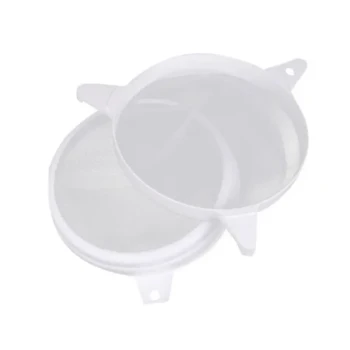
High-efficiency filtration and automated bottling serve as critical containment systems against the specific biological threats posed by Small Hive Beetles (SHB). In the presence of infestation, these technologies function as a sanitary firewall, mechanically removing larval remains and eggs while isolating the honey from the yeasts that cause rapid fermentation. This integration ensures that the final product remains stable, hygienic, and commercially viable despite high pest pressure in the apiary.
Small Hive Beetle infestations introduce specific yeasts and biological debris that threaten the chemical stability of honey. Advanced processing equipment is not merely for speed; it is a necessary quality control measure that mechanically removes these contamination vectors and seals the product against secondary spoilage, safeguarding your brand's reputation.
The Biological Defense Mechanism
Intercepting the Lifecycle
The most immediate threat from SHB is the presence of eggs and larvae in the extracted honey. High-efficiency filtration units are essential for mechanically removing these impurities. To ensure the product does not serve as a vector for the pest, the system must utilize high-precision filters with a pore size no larger than 0.42mm.
Preventing Fermentation
SHB larvae secretions and excrement contain specific yeasts known to induce fermentation. By filtering out the macro-biological sources of these yeasts (the larvae and debris), you significantly reduce the bio-load. While filtration removes the source, it must be done rapidly to prevent the secretions from altering the honey's chemistry.
Reducing Environmental Exposure
Automated bottling equipment minimizes the time honey is exposed to the open environment. Rapid extraction followed immediately by airtight sealing reduces the risk of secondary contamination. This is vital in regions with high pest pressure, where prolonged exposure could attract more beetles or allow airborne contaminants to settle.
Commercial and Quality Implications
Meeting Hygiene Standards
Industrial-grade processing transforms a raw agricultural product with potential contamination into a food-safe commodity. Automated systems ensure sterile operations and precise measurements that manual packing cannot match. This standardized workflow is the only way to consistently meet strict food safety standards when sourcing from at-risk apiaries.
Preserving Product Clarity
Larval activity can ruin the visual appeal of honey, making it cloudy or filled with particulate matter. High-efficiency filtration restores the clarity of the honey, which is a key indicator of quality for consumers. This is particularly important for high-end varieties like Acacia honey, where visual purity drives market value.
Protecting Brand Reputation
In competitive markets, a single instance of fermentation or visible contamination can destroy a brand's standing. Automated equipment combined with high-quality sealing consumables ensures the physical integrity of the package. This reliability forms the technical foundation for export competitiveness and consumer trust.
Understanding the Trade-offs
Filtration Precision vs. Flow Rate
Implementing a 0.42mm or smaller filter to catch beetle eggs creates flow resistance. This requires equipment capable of handling higher pressures or gravity systems with larger surface areas. Operators must balance the need for strict bio-security with production throughput to avoid bottlenecks.
Maintenance and Sterility
Automated equipment is complex and requires rigorous cleaning protocols. If the machinery itself is not sanitized, it can become a vector for the very yeasts you are trying to eliminate. The effectiveness of this equipment is entirely dependent on a disciplined maintenance schedule.
Making the Right Choice for Your Goal
To select the appropriate processing workflow, assess your primary business objective:
- If your primary focus is Food Safety Compliance: Prioritize filtration systems with verified 0.42mm pore sizes to guarantee the mechanical removal of all SHB eggs and larval material.
- If your primary focus is Brand Positioning and Export: Focus on automated bottling lines that offer rapid, airtight sealing to preserve clarity and prevent the fermentation that ruins shelf life.
By leveraging these technologies, you convert a biological risk into a managed control point, ensuring purity in every bottle.
Summary Table:
| Feature | SHB Protection Mechanism | Primary Benefit |
|---|---|---|
| High-Precision Filtration | Mechanically removes eggs and larvae (pore size ≤ 0.42mm) | Eliminates biological contaminants & restores clarity |
| Automated Bottling | Reduces environmental exposure & provides airtight sealing | Prevents fermentation & secondary spoilage |
| Rapid Processing | Minimizes time for larval secretions to alter honey chemistry | Preserves chemical stability & flavor profile |
| Sterile Workflows | Standardized industrial hygiene protocols | Ensures food safety compliance & export readiness |
Elevate Your Honey Quality with HONESTBEE
Protect your commercial apiary from the risks of Small Hive Beetle infestations with professional-grade processing solutions. HONESTBEE provides a comprehensive wholesale range of beekeeping tools, high-efficiency honey-filling machines, and specialized hive-making equipment designed for industrial durability.
Whether you are a large-scale distributor or a commercial producer, our portfolio—from essential consumables to advanced honey processing machinery—ensures your product meets the highest hygiene standards and market value.
Don't let pests compromise your brand reputation. Contact us today to discover how our equipment can streamline your operations and safeguard your harvest.
References
- J. T. Ngor, Seyi Ebun Adeboye. The Impact of Aethina tumida Infestation on Apis mellifera Colonies: A Review of Control Measures and Future Prospects. DOI: 10.22161/ijeab.105.15
This article is also based on technical information from HonestBee Knowledge Base .
Related Products
- Automatic Honey Filling and Filtering Machine for Beekeeping Bottle Filling
- Electric Double Wall Honey Filtering Machine Purifier Equipment for Honey Processing Plant
- Manual Honey Filling Machine Bottling Machine for Honey
- Double Nozzle Small Honey Filling Machine Honey Sachet Packing Packaging Equipment
- Professional Stainless Steel Honey Filtering Machine with Water Bath Heating for Beekeeping
People Also Ask
- What process advantages do professional honey filtering and filling machines provide? Optimize Your Organic Honey Output
- How do honey filling and filtering machines increase product value? Turn Raw Honey into Premium Export-Grade Goods
- How do honey filtration and filling machinery contribute to industrialization? Scale Your Commercial Honey Production
- What specific issues do industrial filtration and automated filling machinery address? Ensure Honey Quality & Compliance
- How does the use of professional honey filtration and filling machinery facilitate international honey exports?