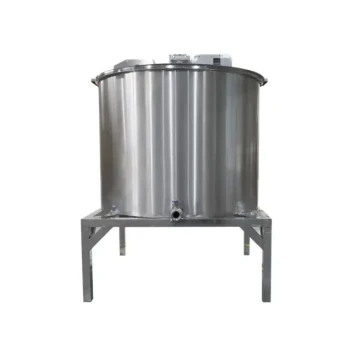
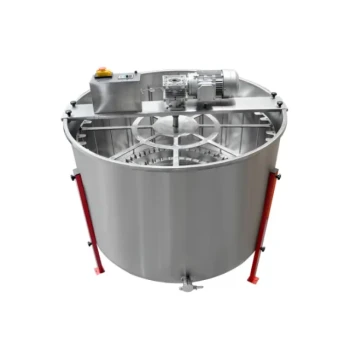
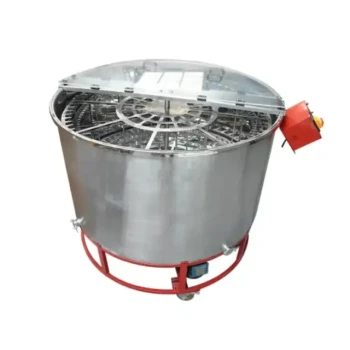
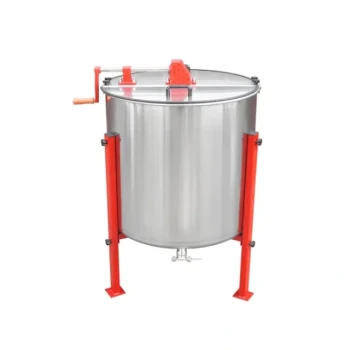
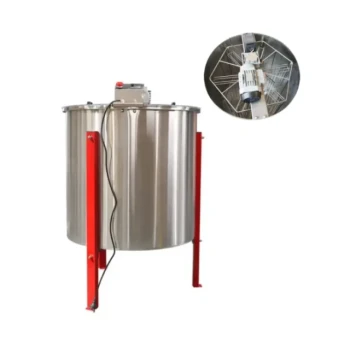
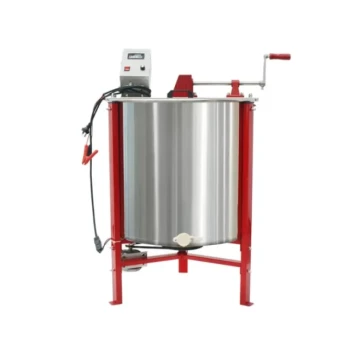
High-efficiency commercial equipment is a logistical necessity, not just a luxury, in high-productivity forest environments. When forests produce massive amounts of nectar per hectare, they often do so within extremely short blooming windows—sometimes as brief as 14 days. Without large-capacity, automated machinery, beekeepers physically cannot process the volume of nectar available before the season ends or weather conditions deteriorate.
High-yield forest environments require speed to convert potential productivity into actual commercial yield. Specialized equipment bridges the gap between intense, short-term nectar flows and the limitations of manual harvesting.
The Time Sensitivity of High-Yield Forests
Managing Intense Nectar Flows
High-productivity sources, such as specific linden species, do not produce nectar evenly over a long season. Instead, they generate an intense nectar flow concentrated into a very narrow timeframe.
Because these windows can be as short as two weeks, a delay of even a few days results in significant crop loss. High-automation machinery allows apiaries to complete large-scale harvesting rapidly, ensuring the nectar is collected while it is available.
Mitigating Weather Risks
Short blooming windows are highly susceptible to weather changes. A sudden storm or temperature drop can end a harvest season prematurely.
High-efficiency equipment maximizes the volume harvested during the optimal weather days. This speed reduces the risk of leaving valuable honey in the hives during adverse conditions.
Quality Preservation Through Automation
Minimizing Oxidation
Speed is not only about quantity; it is critical for chemical quality. Prolonged exposure to air during slow, manual extraction processes leads to oxidation.
Automated extraction and sterile packaging significantly reduce the honey's exposure to the environment. This preserves the unique flavor profiles and biological active components found in specialized forest honeys like Eucalyptus or Acacia.
Protecting the Honeycomb Structure
Modern specialized machinery utilizes precise physical centrifugal force to separate honey.
Unlike manual scraping or crushing, this method extracts liquid without damaging the delicate honeycomb structure. Preserving the comb is essential for minimizing losses and allowing bees to reuse the structure, which further increases overall colony efficiency.
Understanding the Operational Trade-offs
Capital Investment vs. Yield Efficiency
The transition to high-efficiency equipment represents a significant upfront capital investment. For small hobbyist operations, the cost may outweigh the benefits of increased speed.
However, in high-productivity forests, the cost of the equipment is offset by the volume of recovery. The machinery provides the ability to respond to market demands and price fluctuations by securing the maximum possible yield, which manual labor cannot achieve in the same timeframe.
Standardization vs. Artisanal Variation
Industrial-grade equipment emphasizes consistency and sterility. While this ensures a pure, commercially viable product, it standardizes the process.
Producers must ensure that the settings on automated equipment are calibrated correctly to handle the specific viscosity of forest honeys. Improper calibration can lead to inefficiencies, though modern equipment is generally designed to accommodate these variables.
Making the Right Choice for Your Goal
To determine if high-efficiency equipment is required for your operation, assess your specific environmental constraints.
- If your primary focus is Volume Maximization: You must prioritize high-automation extractors to capture the full potential of short, intense blooming windows like those of the linden tree.
- If your primary focus is Product Quality: You should leverage automated, sterile packaging lines to minimize oxidation and preserve the bioactive compounds of high-value forest varietals.
Success in high-yield forest beekeeping relies on matching your processing speed to the intensity of the natural nectar flow.
Summary Table:
| Feature | Manual/Low-Efficiency Harvesting | High-Efficiency Commercial Equipment |
|---|---|---|
| Processing Speed | Slow; risk of missing nectar windows | Rapid; captures peak bloom (14-day windows) |
| Weather Resilience | High risk of crop loss due to delays | Low risk; maximizes harvest during clear days |
| Product Quality | High oxidation; potential flavor loss | Minimal oxidation; preserves bio-active compounds |
| Comb Preservation | Manual damage often occurs | Centrifugal technology keeps combs intact |
| Volume Output | Limited by physical labor | Scalable; captures maximum nectar per hectare |
Scaling Your Apiary Operations with HONESTBEE
For commercial apiaries and global distributors, the difference between a record-breaking season and missed potential lies in your equipment. At HONESTBEE, we specialize in bridging that gap with a comprehensive wholesale offering designed for high-productivity environments.
From high-capacity honey-filling machines and automated hive-making hardware to a full spectrum of specialized beekeeping tools and essential consumables, our portfolio ensures your operation is built for speed and quality preservation. Whether you are outfitting a large-scale commercial site or sourcing the latest honey-themed cultural merchandise for retail, we provide the industrial-grade machinery required to turn intense forest nectar flows into profit.
Ready to upgrade your harvest efficiency? Contact us today to discuss your wholesale equipment needs and see how our expertise can optimize your commercial yield.
References
- И. Д. Самсонова, N. D. Mashinskaya. Honey productivity of plant formations in the Toratau Geopark of the Republic of Bashkortostan. DOI: 10.31677/2072-6724-2022-65-4-206-212
This article is also based on technical information from HonestBee Knowledge Base .
Related Products
- 32 Frame Commercial Electric Honey Extractor for Beekeeping and Honey Production
- Commercial 48-Frame Stainless Steel Honey Extractor
- 40 Frame Commercial Electric Honey Extractor for Beekeeping
- 24 Frame Honey Extractor Commercial Radial Honey Frame Extraction Machine
- HONESTBEE 72 Frame Industrial Electric Honey Extractor for Beekeeping
People Also Ask
- What are commercial honey extractors used for? Boost Your Apiary's Efficiency & Profitability
- What is a commercial honey extractor? The Essential High-Volume Solution for Large Apiaries
- Who are commercial honey extractors designed for? Scaling Your Industrial Beekeeping Success
- How is honey extracted commercially? Maximize Your Apiary's Efficiency and Honey Yield
- What are commercial honey extractors and for what scale of beekeeping are they intended? Scale Your 200+ Colony Apiary