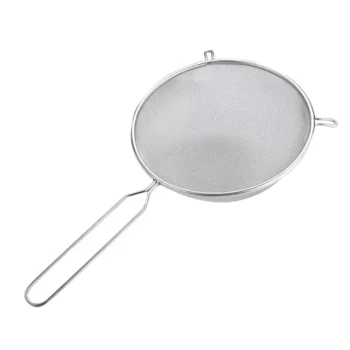
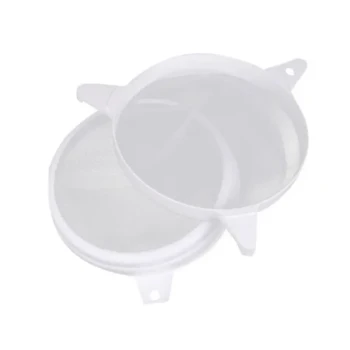
Industrial-grade clarification and filtration equipment act as the primary defense for honey quality assurance. These systems are essential for physically removing visible mechanical impurities—such as wax and bee fragments—to ensure visual clarity, while simultaneously reducing the microbial load to inhibit fermentation and stabilize the product.
Core Insight: Beyond simple cleaning, advanced filtration serves as a critical preservation method. By physically removing fermentation-causing agents and solid contaminants, these systems allow honey to meet strict commercial purity standards without relying on high-temperature processing that degrades natural quality.
Managing Mechanical Impurities and Visual Appeal
The Role of Fine Filtration
The primary function of industrial-grade equipment is the systematic removal of solid contaminants. This includes beeswax fragments, bee parts, and larval residues introduced during the harvesting process.
Enhancing Clarity
Sensory evaluation begins with the eye. High-efficiency filtration ensures the honey achieves the transparency and cleanliness required for commercial sale.
Consumer Perception
Visual defects significantly impact marketability. By eliminating suspended particles, the equipment ensures the product meets consumer expectations for a pure, premium appearance.
Inhibiting Fermentation Through Physical Processing
Reducing Microbial Load
Fermentation is a chemical spoilage risk driven by yeast and bacteria. Strict filtration processes physically remove a significant portion of this microbial load.
Safeguarding Product Stability
By lowering the count of fermentation-causing organisms, the equipment inhibits the onset of spoilage. This extends the shelf life and safeguards the honey’s purity over time.
Preventing Chemical Changes
Effective filtration maintains the honey's chemical consistency. It prevents the sensory defects associated with fermented honey, such as souring or off-flavors.
Understanding the Trade-offs: Purity vs. Preservation
The "Raw Honey" Challenge
A major challenge in honey processing is achieving clarity without destroying nutritional value. Standard pasteurization uses high heat to kill microbes and filter easily, but this destroys natural enzymes.
The Advantage of Mechanical Systems
Industrial-grade physical filtration—using centrifugation or pressure screening—solves this trade-off. It cleans the honey efficiently without the need for high temperatures.
Preserving Nutritional Integrity
By avoiding thermal stress, these systems retain the honey's natural enzymes, pollen, and nutritional components. This allows producers to meet "raw" label claims while still adhering to strict retail hygiene standards.
Making the Right Choice for Your Goal
Depending on your specific market requirements, prioritize the equipment's capabilities as follows:
- If your primary focus is Mass Market Retail: Prioritize systems with fine filtration capabilities to ensure maximum clarity and shelf stability suitable for international export standards.
- If your primary focus is Raw or Artisanal Honey: Select mechanical harvesting systems (centrifugation) that remove impurities without heating, ensuring the preservation of enzymes and pollen.
The right filtration strategy turns a raw agricultural harvest into a stable, commercially viable product without compromising its natural identity.
Summary Table:
| Feature | Industrial Filtration Benefit | Impact on Honey Quality |
|---|---|---|
| Impurity Removal | Extracts wax, bee parts, and debris | Enhances visual clarity and consumer appeal |
| Microbial Control | Physically reduces yeast and bacteria load | Inhibits fermentation and prevents souring |
| Thermal Management | Cold filtration / Mechanical screening | Preserves natural enzymes and 'raw' status |
| Shelf Stability | Eliminates spoilage triggers | Extends product life for retail and export |
Elevate Your Honey Production with HONESTBEE
Maximize the value of your harvest with HONESTBEE’s professional-grade processing solutions. As a dedicated partner to commercial apiaries and global distributors, we provide the high-performance machinery needed to achieve crystal-clear purity while safeguarding nutritional integrity.
From advanced honey-filling machines to specialized clarification and filtration systems, our comprehensive wholesale portfolio covers every stage of the honey lifecycle. Whether you are scaling a commercial operation or supplying the industry with essential consumables, we deliver the tools and expertise to ensure your success.
Ready to optimize your honey processing? Contact our expert team today to explore our full range of beekeeping equipment and industrial machinery.
References
- Miras Nurbayevich Suraganov, Sharipov B.O.. DETERMINATION OF THE CONTENT OF TOXIC ELEMENTS IN THE TROPHIC CHAIN "SOIL - PLANT - BEE BODY - HONEY". DOI: 10.52578/2305-9397-2023-4-1-28-34
This article is also based on technical information from HonestBee Knowledge Base .
Related Products
- Electric Double Wall Honey Filtering Machine Purifier Equipment for Honey Processing Plant
- Professional Stainless Steel Honey Filter with Support Handle
- Professional Stainless Steel Honey Filtering Machine with Water Bath Heating for Beekeeping
- Honey Concentrating and Filtering Dehumidifier Machine 2T Capacity for Honey
- Professional Honey Filter with Tripod Support Stand
People Also Ask
- What types of equipment are used in honey filtering? Build an Efficient System for Pure, Marketable Honey
- What is the process of filtering honey? A Guide to Clean, Pure, and Market-Ready Honey
- What is the overall importance of using the right equipment in honey filtering? Boost Quality & Marketability
- What role do professional honey harvesting and filtering equipment play in meeting honey market quality standards? Boost ROI
- Why is filtering important in honey processing, and what equipment is used? A Guide to Quality & Efficiency