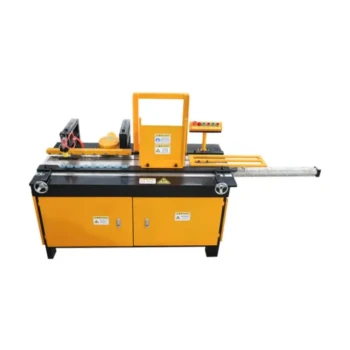
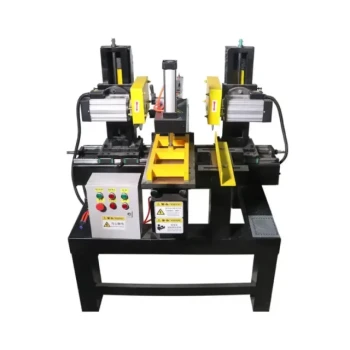
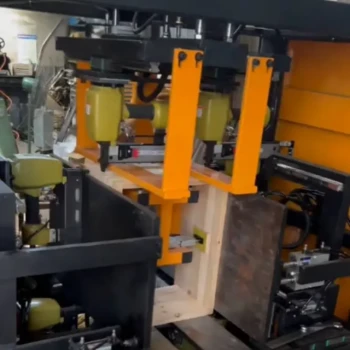
The primary importance of industrial hive-making machines lies in their ability to ensure absolute geometric consistency across thousands of hive components. This standardization is the technical prerequisite for mechanizing apiary operations, facilitating the rapid transport of colonies for pollination services, and enabling the use of automated honey extraction lines to reduce long-term operating costs.
Core Takeaway Industrial hive-making machinery transforms beekeeping from a manual craft into a scalable industrial process. By enforcing strict physical standardization, these machines lower the unit cost of hive construction and create the "hardware foundation" necessary for automation, efficient logistics, and high-volume asset turnover.
The Foundation of Scalability: Precision Engineering
To move from small-scale traditional beekeeping to a specialized operation managing 150 or more colonies, the physical variability of hive equipment must be eliminated.
Achieving Geometric Consistency
The primary reference highlights that these machines ensure high degrees of geometric consistency in both the external hives and internal frames. In a manual setup, minor variations in wood cutting are acceptable; in an industrial system, they are catastrophic.
Machine-produced components guarantee that every box, lid, and frame is identical to the millimeter. This uniformity is not merely aesthetic—it is the functional baseline that allows all other industrial processes to work.
Enabling Mechanized Operations
Large-scale apiaries rely on machinery rather than manual labor to handle volume. Standardization allows for the integration of automated harvesting equipment.
If hive dimensions vary, automated uncapping and extraction machines will jam or damage frames. Industrial hive-making machines create a "standardized physical interface," ensuring that hives fit seamlessly into processing lines without the need for manual adjustment.
Operational Efficiency and Logistics
Commercial pollination is a logistics-heavy industry involving the constant movement of biological assets. The hardware produced by these machines directly impacts the speed and cost of these movements.
Rapid Colony Transport
Commercial pollination requires moving colonies to different agricultural sites quickly. Standardized beehives stack securely and efficiently on pallets and trucks.
Because the machines produce well-sealed and structurally identical hives, apiarists can maximize load density and minimize the risk of hives shifting or opening during transit. This capability is essential for increasing "asset turnover"—getting the bees to more crops in less time.
Interchangeability and Asset Maintenance
In a large apiary, component failure is inevitable. Industrial machines produce parts that are completely interchangeable between different batches.
This simplifies inventory management. You do not need to match specific lids to specific boxes. This interchangeability reduces long-term maintenance costs and streamlines the labor required for colony inspection and component replacement.
Biological Impact on Colony Health
While the machine is a mechanical tool, its output has a direct biological impact on the bees, which dictates the quality of the pollination service.
Optimizing the Microenvironment
Supplementary data indicates that these machines ensure components meet strict bee space standards. Precision cutting ensures the internal spacing is exactly what the biology of the honeybee dictates.
If spaces are too wide, bees build burr comb; if too narrow, they seal it with propolis. Machine-precision ensures optimal airflow and ventilation, creating a stable internal microenvironment that reduces colony stress and supports population strength.
Disease Resistance and Overwintering
A well-sealed, machine-cut hive offers better protection against the elements and pests.
Tight tolerances prevent drafts and water ingress, which significantly improves colony overwintering success. Furthermore, by eliminating gaps where pests can enter, these standardized hives reduce the risk of infestation, ensuring that the colonies remain strong enough to perform frequent and stable pollination activities.
Understanding the Trade-offs
While industrial hive-making machines are essential for scale, they introduce specific challenges that must be managed.
High Initial Capital Expenditure
The shift to industrial machinery represents a significant upfront investment compared to buying pre-made hives or building them manually. This cost is only justified when the operation scales beyond a certain threshold (typically 150+ colonies) where the reduction in unit cost offsets the capital layout.
Maintenance and Technical Expertise
Operating industrial machinery adds a layer of complexity to the business. The apiary moves from managing only biology to managing industrial facility maintenance. Breakdowns in the hive-making line can bottleneck the expansion of the apiary, requiring in-house mechanical expertise to maintain production flow.
Making the Right Choice for Your Goal
When deciding whether to invest in industrial hive-making capability, consider your primary operational objectives:
- If your primary focus is Scalability: Prioritize this machinery to ensure component interchangeability, which is the prerequisite for automated harvesting and modular expansion.
- If your primary focus is Logistics: Use these machines to produce structurally consistent hives that maximize transport efficiency and withstand the rigors of frequent migration.
- If your primary focus is Colony Health: Leverage the precision of these machines to guarantee exact "bee space" and ventilation, minimizing stress on the colony during overwintering.
Ultimately, industrial hive-making machines are not just manufacturing tools; they are the strategic enablers of high-efficiency, low-cost commercial pollination systems.
Summary Table:
| Key Importance Factor | Impact on Commercial Operations | Benefit to Apiary |
|---|---|---|
| Geometric Consistency | Eliminates variability in boxes and frames | Enables mechanized harvesting and extraction |
| Standardization | Ensures perfect stacking and uniform dimensions | Facilitates rapid, high-density colony transport |
| Interchangeability | Components fit any hive regardless of batch | Reduces inventory costs and maintenance labor |
| Precision Bee Space | Maintains optimal internal hive dimensions | Improves colony health, ventilation, and productivity |
| Scalability | Lowers the unit cost of hive construction | Supports rapid expansion of colony numbers |
Scale Your Apiary with Precision-Engineered Solutions
Transitioning to large-scale commercial pollination requires more than just bees—it requires a foundation of industrial-grade reliability. HONESTBEE empowers commercial apiaries and distributors with the high-performance hardware needed to dominate the market.
From industrial hive-making machines and automated honey-filling lines to a comprehensive range of professional beekeeping tools and industry consumables, we provide the end-to-end equipment necessary to reduce labor costs and maximize asset turnover.
Ready to industrialize your beekeeping operation?
Contact HONESTBEE today to discuss our wholesale offerings and discover how our machinery can transform your efficiency.
References
- Willem de Lange, Mike Allsopp. Valuation of pollinator forage services provided by Eucalyptus cladocalyx. DOI: 10.1016/j.jenvman.2013.03.027
This article is also based on technical information from HonestBee Knowledge Base .
Related Products
- High-Efficiency Pneumatic Bee Hive Making Machine for Rapid Box Assembly
- Beehive Handle and Frame Rest Cutting Machine: Your Specialized Hive Machine
- Beehive Machine Double End Saw for Precision Hive Component Manufacturing
- Mini Desktop Bee Hive Frame Forming Making Machine
- Automatic High-Speed Bee Hive Box Stapling Machine
People Also Ask
- How does the introduction of professional beehive-making machinery benefit sustainable beekeeping? Scale Your Apiary
- Why is specialized beehive-making machinery critical for low-defense breeding? Enhance Selection with Precision Tools
- How does the introduction of specialized beehive making machinery contribute to increasing the scale of regional beekeeping industries?
- What is the importance of specialized beehive making machinery in a circular bio-economy? Build Local Sustainability
- Why is specialized beehive-making machinery essential? Scale Your Apiary with Precision Industrial Standards