The unique chemical composition of stingless bee honey dictates that standard beekeeping methods are insufficient for maintaining quality. Because this honey typically contains over 20% water, it is highly unstable and prone to rapid microbial fermentation. Professional hygienic collection tools and strict cold chain storage are therefore essential to prevent spoilage, minimize contamination, and preserve the specific bioactive compounds that give this honey its high commercial value.
Core Takeaway Stingless bee honey is biologically distinct due to its high moisture content and active enzymes, making it inherently fragile. The integration of sterile, pump-based extraction and constant low-temperature storage (cold chain) is the only reliable method to inhibit fermentation and validate the product's shelf life for the commercial market.
The Critical Challenge: Moisture and Stability
High Water Content Triggers Fermentation
Unlike honey from Western bees (Apis mellifera), stingless bee honey possesses a natural water content that frequently exceeds 20%. This elevated moisture level creates an ideal environment for yeasts and microbes to thrive. Without immediate intervention, this leads to rapid fermentation, souring the honey and rendering it unsalable.
The Sensitivity of Bioactive Components
This honey is prized for its unique acidity and medicinal properties, including anti-inflammatory and antioxidant activities. These bioactive components are chemically volatile. Exposure to heat or uncontrolled oxidation degrades these compounds, stripping the honey of the "superfood" status that drives its premium pricing.
The Role of Professional Collection Tools
Ensuring Purity with Closed Systems
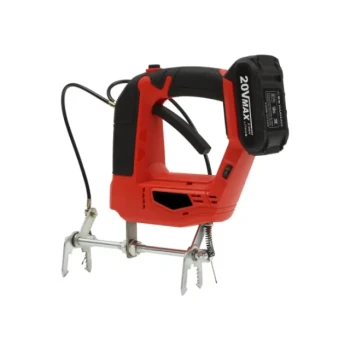
Professional harvesting relies on injection or pump-based suction tools rather than manual draining. This equipment extracts honey directly from the tiny honey pots within the hive. By using a closed loop, you prevent the honey from coming into contact with external dust, debris, or moisture in the air.
Eliminating Hive Contamination
Manual harvesting often introduces impurities such as pollen (bee bread) and wax debris into the final product. Suction-type extractors isolate the honey, ensuring high purity. This mechanical separation is crucial for meeting organic production standards and food safety regulations.
Protecting Colony Sustainability
Beyond product quality, professional tools sustain the production source. Specialized extraction allows for harvest without destroying the hive structure or harming the colony. This ensures continuous productivity, which is a requirement for modernized, large-scale operations.
Why Cold Chain Storage is Non-Negotiable
Halting Biochemical Reactions
Cold chain storage acts as a pause button for the honey's chemistry. Maintaining a constant temperature, ideally around 4°C, significantly inhibits microbial activity. This suppression of biochemical reactions prevents the fermentation that usually occurs in high-moisture liquids.
Extending Commercial Shelf Life
Under precise low-temperature conditions, the physicochemical indicators of stingless bee honey can remain stable for a year or longer. This stability is necessary for validating shelf life. It allows producers to manage supply chain warehousing without the risk of the product spoiling before it reaches the consumer.
Preventing Hygroscopic Absorption
Stingless bee honey is hygroscopic, meaning it absorbs moisture from the air. Professional storage involves sealed containers within a refrigerated environment. This double barrier prevents humidity from entering the bottle, which would otherwise dilute the honey further and accelerate spoilage.
Common Pitfalls to Avoid
The "Raw" Trap
A common mistake is assuming "raw" implies no processing or temperature control. With stingless bee honey, skipping the cold chain under the guise of keeping it "natural" almost guarantees fermentation. You cannot treat this product like standard grocery store honey.
Reliance on Pasteurization
While heat can stop fermentation, it often destroys the unique enzymes and heat-sensitive vitamins that define stingless bee honey. Cold chain storage is superior because it preserves these qualities without thermal damage, whereas high-heat pasteurization lowers the nutritional value.
Making the Right Choice for Your Goal
To successfully commercialize stingless bee honey, you must align your processing methods with the chemical reality of the product.
- If your primary focus is Product Potency: Prioritize an unbroken cold chain (4°C) from harvest to sale to maximize the retention of antioxidant and anti-inflammatory compounds.
- If your primary focus is Colony Health: Invest in high-quality suction extraction tools to harvest efficiently without damaging the hive structure or disrupting the bees' lifecycle.
- If your primary focus is Market Certification: Implement a closed-loop filtration and filling system to eliminate impurities and meet the strict hygiene standards required for organic or geographical indication labels.
Professional handling transforms stingless bee honey from a perishable local novelty into a stable, high-value commercial health product.
Summary Table:
| Feature | Traditional Harvesting | Professional Collection & Cold Chain |
|---|---|---|
| Moisture Control | High risk of fermentation | Inhibited via low temperature (4°C) |
| Purity Level | Contaminated by wax/pollen | High purity via closed suction systems |
| Bioactive Retention | Lost due to oxidation/heat | Maximum preservation of enzymes/acids |
| Hive Impact | Often destructive | Non-invasive; sustains colony health |
| Shelf Life | Very short (weeks) | Long-term stability (12+ months) |
Elevate Your Stingless Bee Honey Production with HONESTBEE
Stingless bee honey is a high-value superfood that requires precision to maintain its integrity. At HONESTBEE, we specialize in supporting commercial apiaries and distributors with the professional-grade tools needed to master this delicate process. From hygienic suction-based extraction machinery that protects your colonies to specialized processing equipment, we provide the full spectrum of hardware to scale your operation.
Whether you are looking to source specialized hive-making tools or high-efficiency honey-filling machines to ensure a closed-loop system, we have the expertise to help you succeed in the global market.
Ready to professionalize your apiary? Contact us today to explore our wholesale solutions.
References
- Bruna Schmidt Gemim, Francisca Alcivânia de Melo Silva. Meliponicultura em sistemas agroflorestais: alternativa de renda, diversificação agrícola e serviços ecossistêmicos. DOI: 10.18227/1982-8470ragro.v11i4.4156
This article is also based on technical information from HonestBee Knowledge Base .
Related Products
- Heavy-Duty Ergonomic Stainless Steel Pollen Shovel
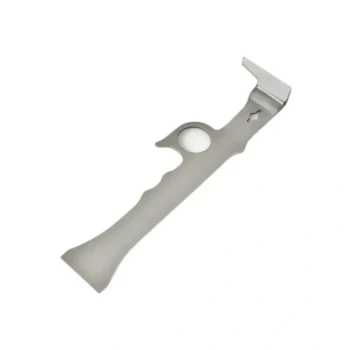
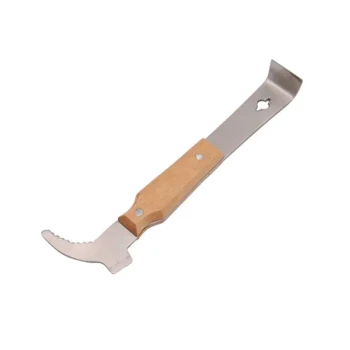
- Professional Stainless Steel Pry-Bar Hive Tool
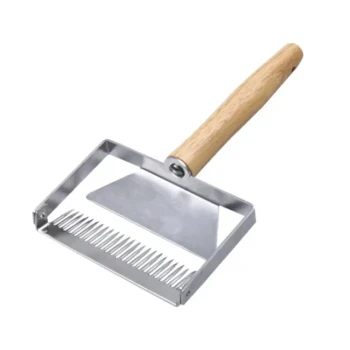
- Extra Wide Stainless Steel Honey Uncapping Fork with Scraper Beekeeping Tool
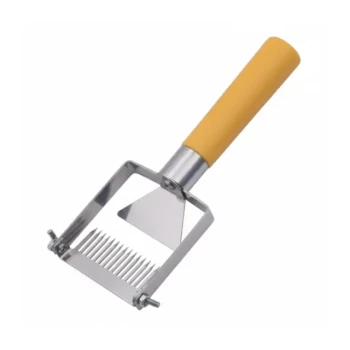
- Adjustable Stainless Steel Honey Uncapping Fork with Plastic Handle for Beekeeping
- All-Stainless Steel Pivoting Honey Uncapping Fork for Beekeeping
People Also Ask
- How is pollen cleaned after it has been dried? Master Efficient Separation for Pure Bee Pollen
- What methods are used to clean harvested bee pollen? Scale Your Beekeeping Operations with the Right Technique
- How can harvested bee pollen be cleaned to remove impurities? Efficient Methods for Commercial and Hobbyist Beekeepers
- How do bee pollen collection tools affect the quality of bee pollen used in functional dairy ice cream production?
- What is the technical significance of using specialized cutting tools for propolis? Master Precision Pollen Harvesting