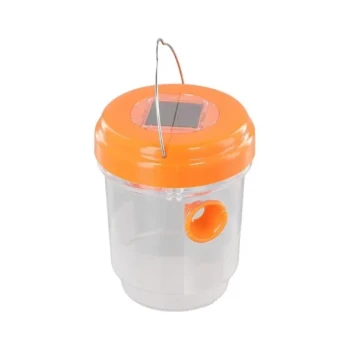
Managing urban bee populations requires proactive containment and safe mobility. Swarm traps are essential for intercepting migrating bee clusters in space-constrained cities, preventing them from nesting in residential or public infrastructure. Once captured, transport boxes enable the secure relocation or commercial sale of these colonies, balancing ecological health with public safety.
In dense urban environments, swarm traps and transport boxes act as the primary defense against uncontrolled nesting. They convert a potential public nuisance into a valuable asset, protecting community safety while facilitating the economic redistribution of colonies.
Addressing the Urban Density Challenge
The Pressure of Limited Space
Urban areas present a unique paradox for bees: they offer concentrated food sources but severely limited nesting space.
This environment accelerates natural swarming behavior. Without intervention, these migrating clusters seek out the nearest cavity, often leading to colonies establishing themselves in walls, chimneys, or utility boxes.
Proactive Capture with Swarm Traps
Professional swarm traps are designed to intercept these migrating clusters before they become a structural problem.
By offering an attractive, pre-built nesting site, beekeepers can control where the bees land. This transforms swarming from a chaotic event into a managed capture process.
Safety and Economic Implications
Ensuring Public Safety
The primary role of these tools is protecting the public.
By preventing bees from nesting in unauthorized or high-traffic locations, traps reduce the risk of stinging incidents. This allows beekeeping to coexist with dense human populations without causing alarm or liability issues.
Transport Boxes as Asset Management
Transport boxes serve as the bridge between capture and colonization.
They facilitate the safe relocation of bees from the capture site to a permanent apiary. Furthermore, they allow beekeepers to monetize swarms by safely packaging them for sale to other apiaries, turning a management task into a revenue stream.
Understanding the Risks and Trade-offs
Transport Stress and Mortality
While transport boxes are necessary, moving colonies is not without risk.
Research utilizing "dead bee boxes"—specialized tools that collect deceased bees—indicates that transportation induces significant stress. Beekeepers must be aware that relocation can lead to daily mortality spikes, impacting short-term colony strength.
Disease Vector Risks
The mobility provided by transport boxes creates a potential pathway for spreading pests and diseases.
If a captured swarm carries pathogens, relocating it can infect a new apiary or rural population. Regular health monitoring and the use of smokers to inspect frames are vital steps before and after transport to mitigate this risk.
Strategic Implementation for Beekeepers
To effectively manage urban colonies, your approach should depend on your specific operational goals.
- If your primary focus is public relations and safety: Prioritize the placement of swarm traps on the perimeter of your apiary to intercept swarms before they enter public spaces.
- If your primary focus is apiary expansion: Invest in high-quality transport boxes to minimize stress during the relocation of captured swarms to permanent rural sites.
- If your primary focus is biosecurity: Quarantine transported swarms and use monitoring tools to ensure you are not introducing diseases to healthy populations.
Responsible urban beekeeping relies on the seamless integration of capture and transport to maintain harmony between the colony and the community.
Summary Table:
| Tool Type | Primary Function | Urban Benefit | Economic Value |
|---|---|---|---|
| Swarm Traps | Intercept migrating clusters | Prevents nesting in structures | Captures free genetic assets |
| Transport Boxes | Secure colony mobility | Enables safe public relocation | Facilitates colony sales |
| Dead Bee Boxes | Mortality monitoring | Assesses transport stress levels | Minimizes colony loss |
| Smokers | Calming bees for inspection | Enhances safety during capture | Essential for health checks |
Maximize Your Urban Apiary Potential with HONESTBEE
Efficiently managing honeybee populations in dense environments requires precision-engineered tools. HONESTBEE empowers commercial apiaries and distributors with a comprehensive wholesale range, from high-performance swarm traps and transport boxes to professional-grade hive-making and honey-filling machinery.
Whether you are expanding a commercial operation or supplying the industry with essential consumables and honey-themed cultural merchandise, we provide the hardware and expertise to turn urban beekeeping challenges into profitable assets.
Ready to scale your production? Contact us today to access our full spectrum of beekeeping equipment and wholesale opportunities.
References
- L. I. DEMCHUK, I. YU. TSYGANENKO-DZYUBENKO. THE ROLE OF BEEKEEPING ON THE ROOFS OF CITY BUILDINGS. DOI: 10.46913/beekeepingjournal.2022.9.03
This article is also based on technical information from HonestBee Knowledge Base .
Related Products
- HONESTBEE Collapsible Tiered Bee Swarm Catcher for Beekeeping
- HONESTBEE Professional Telescopic Pole Bee Swarm Catcher
- Reusable Clear Small Hive Beetle Traps for Beehives Beetle Trapping Tools
- Professional Bucket Style Wasp and Moth Pheromone Trap
- Removable Washable Hive Beetle Trap Attractants for Small Hive Beetles
People Also Ask
- What should be done if the swarm is situated on the bottom of a tree limb? A Guide to Methodical Bee Capture
- What role do swarm catchers play in maintaining the production scale of an apiary? Turn Colony Loss into Growth.
- What role does a Swarm Catcher play in the process of expanding apiary colony scale? Optimize Growth & Reduce Costs
- What information should be gathered before attempting to catch a swarm of bees? A Safe and Successful Guide
- What precautions can be taken to prevent a newly captured swarm from absconding? Secure Your Swarm with Proven Methods