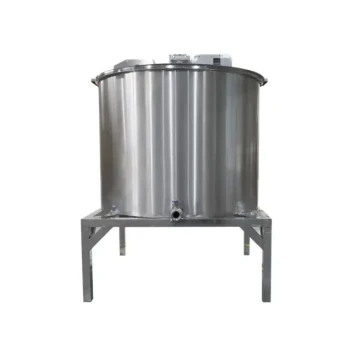
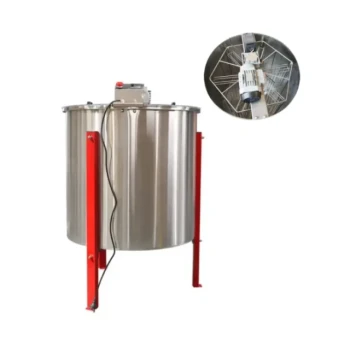
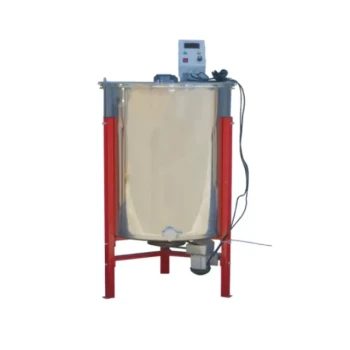
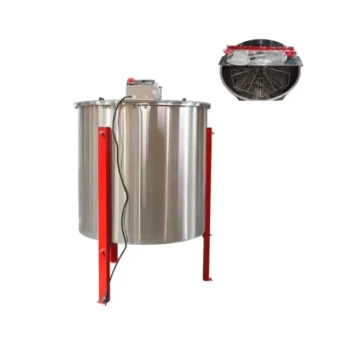
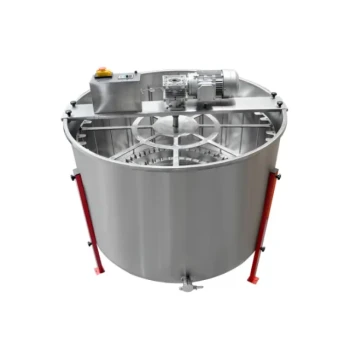
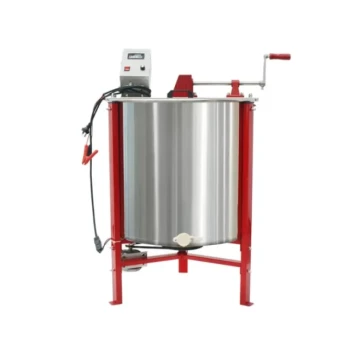
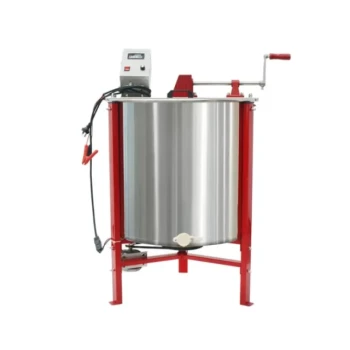
For the vast majority of electric honey extractors, there is no active maintenance procedure for the bearings. Whether you operate a smaller unit for 2 to 4 frames or a larger commercial model with a capacity of 8 frames or more, these components are typically sealed at the factory and designed to be maintenance-free.
Core Takeaway Modern electric extractors utilize sealed bearing assemblies designed to operate without user intervention. Your primary maintenance responsibility is not lubrication, but rather protecting these sealed components from water ingress during cleaning to prevent internal corrosion.
Understanding Bearing Architecture
The Sealed Design Standard
Manufacturers design electric honey extractors to minimize mechanical upkeep.
According to industry standards, bearings in both small-scale (2-4 frame) and large-scale (8+ frame) extractors are sealed units.
This means the lubrication is encapsulated within the bearing race during manufacturing, intended to last the lifespan of the part.
The "No-Lube" Rule
Because these bearings are sealed, you must not attempt to introduce external lubricants.
Applying oil or grease to the gearbox or shaft is explicitly discouraged.
External lubricants cannot penetrate the seal to help the bearing, but they will attract dust and debris, potentially contaminating the honey or damaging the mechanism.
Protecting the Critical Components
Managing Moisture Ingress
While you cannot service the bearings, you can easily damage them through improper cleaning.
The most critical maintenance step is preventing water from reaching the bearings and gearbox.
When cleaning the extractor, wipe the motor and bearing housing with a dry cloth only.
Proper Cleaning Protocols
To ensure the machine's longevity, the extractor itself must be cleaned and sanitized after every use to prevent mold and bacteria growth.
While the stainless steel drum and basket should be washed with warm soapy water, you must be careful not to splash the electrical components or the bearing housing.
For stubborn beeswax, use warm water to soften and wipe it away, avoiding high-pressure sprays near the drive shaft.
Common Pitfalls to Avoid
The Risk of DIY Repair
A common mistake is attempting to open or service a bearing that sounds rough or noisy.
If you suspect the bearings are not functioning correctly (e.g., grinding noises or seized movement), do not attempt to disassemble them.
The correct procedure is to contact the manufacturer immediately, as breaking the factory seals will likely void your warranty and fail to fix the issue.
Neglecting Storage Conditions
Bearings and motors are highly susceptible to environmental damage when not in use.
Store the extractor in a dry, cool, and clean area.
High humidity or damp storage environments can cause rust to form on the external parts of the bearing assembly, eventually compromising the seal.
Making the Right Choice for Your Goal
To maximize the life of your equipment, tailor your approach based on your current operational status:
- If your primary focus is Routine Maintenance: Focus strictly on hygiene and moisture control, ensuring the gearbox and bearings remain completely dry while washing the drum.
- If your primary focus is Troubleshooting Noise: Do not apply grease; instead, contact the manufacturer for a replacement part or professional servicing.
Treat the bearings as a "hands-off" component, focusing your effort on cleanliness and moisture control to ensure years of reliable extraction.
Summary Table:
| Maintenance Aspect | Action Required | Why It Matters |
|---|---|---|
| Lubrication | Do Not Lubricate | Factory-sealed units; grease attracts dust and contaminants. |
| Cleaning | Dry Wipe Only | Prevents water ingress, internal rust, and gearbox damage. |
| Troubleshooting | Contact Manufacturer | Breaking seals voids warranty; noisy bearings require replacement. |
| Storage | Dry, Cool Climate | Protects external assemblies from humidity-induced corrosion. |
Optimize Your Commercial Honey Production with HONESTBEE
Maximize your apiary's efficiency with professional-grade equipment designed for durability. HONESTBEE specializes in supporting commercial apiaries and distributors with a comprehensive wholesale range, including:
- Advanced Machinery: From high-capacity honey extractors to specialized hive-making and honey-filling machines.
- Beekeeping Tools: A full spectrum of hardware and essential industry consumables.
- Value-Added Goods: Unique honey-themed cultural merchandise to expand your retail portfolio.
Ensure your operations run smoothly with equipment built for the long haul. Contact our expert team today to discuss bulk pricing and custom equipment solutions!
Related Products
- electric honey extractor honey centrifuge 3 frame honey extractor stainless steel honey frame extractor
- Electric 4 Frame Tangential Honey Extractor
- Electric 8 Frame Honey Spinner Extractor Equipment for Beekeeping
- 32 Frame Commercial Electric Honey Extractor for Beekeeping and Honey Production
- HONESTBEE 6 Frame Self Reversing Electric Honey Extractor for Beekeeping
People Also Ask
- What are the characteristics of electric honey extractors? Boost Your Apiary Efficiency with Automated Technology
- What are the disadvantages of using an electric honey extractor? Weighing Cost, Power, and Comb Safety
- What are the advantages of an electric honey extractor? Boost Efficiency and Scale Your Honey Production
- What are the technical advantages of electric honey extractors? Maximize Yield and Protect Your Bee Colony
- How does an electric honey extractor affect the quality of honey? Preserve Flavor & Purity with Precision Extraction