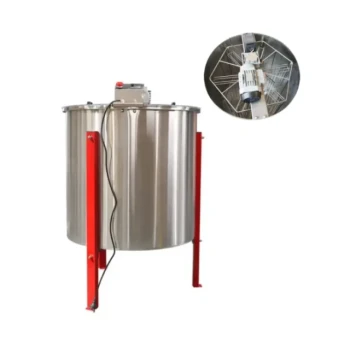
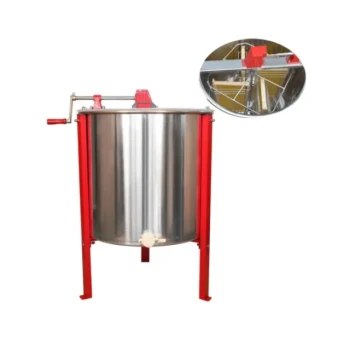
The thorough cleaning of honey extraction machinery and associated piping is a non-negotiable prerequisite for ensuring product safety and quality. Before initiating the extraction procedure, equipment such as centrifuges and filters must undergo a standardized cleaning process to completely strip away residues from previous production cycles and remove any pollutants that accumulated while the machinery was idle.
Core Takeaway Reliable sanitation is the primary defense against cross-contamination in honey production. By eliminating contaminants accumulated during static storage and previous runs, you ensure that the microbial indicators for each batch remain compliant with safety standards.
Identifying the Contamination Risks
Residues from Previous Cycles
Every production run leaves behind trace materials. If centrifuges and filters are not stripped clean, residues from previous batches can degrade or crystallize within the system.
Starting a new extraction without removing these leftovers introduces immediate impurities into the fresh product.
Pollutants from Static Storage
Machinery is often idle between production schedules. During this "static" period, the equipment is vulnerable to environmental dust and airborne pollutants.
Even if the machine looked clean when it was shut down, it must be recleaned before the next run to address accumulation that occurred during downtime.
Ensuring Product Integrity and Safety
Eliminating Cross-Contamination
Cleaning is defined as a "key process node" for a reason. It is the specific step designed to sever the link between past production and the current batch.
By standardizing this process, you prevent the characteristics or defects of a previous batch from impacting the quality of the new honey.
Meeting Microbial Compliance
Honey is a food product and is subject to strict biological safety limits. The goal of cleaning is not just visual cleanliness, but microbial control.
Proper sanitation ensures that microbial indicators for every specific batch fall within compliant ranges, preventing spoilage and ensuring regulatory adherence.
Understanding the Trade-offs
The "Invisible" Risk
It is often tempting to perform a superficial rinse if the equipment appears visually clean. However, the most dangerous contaminants—microbial growth in piping or filters—are invisible to the naked eye.
Relying on visual inspection alone rather than a standardized protocol introduces a high risk of batch failure.
Time vs. Quality
Thorough cleaning requires significant downtime before production can actually start. This reduces the total time available for extraction.
However, the time "lost" to cleaning is an investment; the cost of a rejected batch due to contamination far outweighs the cost of the cleaning schedule.
Making the Right Choice for Your Production
To maintain a high-quality extraction line, align your cleaning protocols with your specific production goals:
- If your primary focus is Regulatory Compliance: Adhere to a strict, standardized cleaning schedule to ensure all microbial indicators meet safety inspections.
- If your primary focus is Product Purity: Ensure deep cleaning of filters and piping to prevent old residues from altering the flavor profile or color of the new batch.
Treat the cleaning phase not as a prelude to production, but as the critical first step of the manufacturing process itself.
Summary Table:
| Contamination Risk | Impact on Honey Quality | Mitigation Strategy |
|---|---|---|
| Previous Residues | Crystallization and impurity introduction | Deep clean centrifuges and filters between cycles |
| Storage Pollutants | Environmental dust and airborne particles | Reclean equipment after any period of inactivity |
| Microbial Growth | Batch spoilage and regulatory failure | Standardized sanitation of piping systems |
| Invisible Biofilms | High risk of batch rejection | Adhere to protocols beyond visual inspection |
Elevate Your Honey Production Standards with HONESTBEE
At HONESTBEE, we understand that purity is the hallmark of a premium honey brand. As a leading provider for commercial apiaries and distributors, we offer a comprehensive wholesale range of professional-grade beekeeping tools, honey-filling machines, and high-performance extraction machinery designed for easy maintenance and superior hygiene.
Whether you are scaling your extraction line or sourcing essential industry consumables, our expertise ensures your facility remains compliant and efficient. From specialized hardware to honey-themed cultural merchandise, we provide the full spectrum of equipment needed to succeed in the global market.
Ready to optimize your honey processing quality?
Contact Us Today to Explore Our Wholesale Solutions
References
- Christina Handschuch, Antônio Meira Neto. Knowledge and implementation of HACCP-based management systems among small-scale honey producers in Brazil. DOI: 10.3920/jcns2012.x003
This article is also based on technical information from HonestBee Knowledge Base .
Related Products
- Stainless Steel Manual 8 Frame Radial Honey Extractor Machine for Beehives
- 10L Stainless Steel Electric Honey Press Machine
- HONESTBEE 3-Frame Manual Acrylic Honey Extractor
- 32 Frame Commercial Electric Honey Extractor for Beekeeping and Honey Production
- Stainless Steel Jack Type Honey Comb Press Machine Wax and Honey Separator
People Also Ask
- What types of beehive frames are compatible with honey extractor machines? Find the Perfect Match for Your Apiary
- Which type of honey extractor is generally more durable? Focus on Material & Build Quality for Longevity
- What are the key features and benefits of a stainless steel honey extractor? Upgrade to Professional Purity
- What are the disadvantages of a manual honey extractor? Overcome Efficiency Bottlenecks in Your Apiary
- Why are manual extractors popular among beginner beekeepers? A Guide to Starting Simple & Saving Money