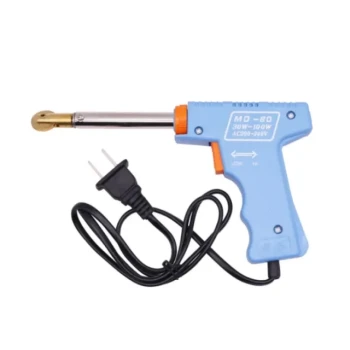
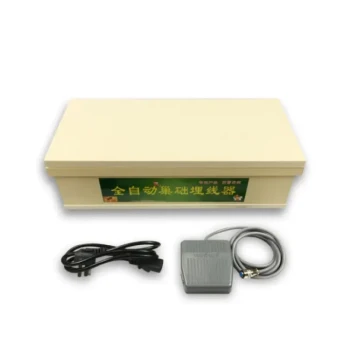
Specialized electro-stimulation equipment functions by generating a weak electrical current to mimic a physical threat, prompting worker bees to defensively discharge venom onto a specific collection surface. This apparatus relies on low-voltage pulses transmitted through metal wires to trigger the stinging reflex without allowing the bee’s stinger to penetrate the surface, ensuring the bee remains unharmed.
The core value of this technology lies in its ability to decouple venom extraction from bee mortality. It enables the sustainable, large-scale harvesting of high-purity bioactive compounds essential for pharmaceutical research, specifically for anti-arthritis and anti-neurodegenerative treatments.
The Mechanics of Extraction
Electrical Impulse Generation
The device operates by emitting low-voltage pulse currents.
These pulses are transmitted through a grid of metal wires positioned directly above a collection tray.
The Defensive Trigger
The weak electrical current acts as an irritant that simulates a predator or threat.
When worker bees—specifically guard bees—contact the electrified wires, the current induces a natural defensive stinging behavior.
The Non-Lethal Interface
Crucially, the collection surface (typically a glass plate) is hard and impenetrable.
Unlike stinging a mammal, where the stinger becomes lodged in the skin and disembowels the bee upon departure, this hard surface prevents stinger retention. The bee deposits the venom and flies away unharmed.
Processing and Preservation
Dry Collection Method
Once discharged, the liquid venom lands on the collection plate underneath the wires.
The venom is allowed to dry into crystals directly on the glass surface, a process known as dry collection.
Material Compatibility
To harvest the dried venom, a specialized scraper is used to separate the crystals from the glass plate.
This scraper is manufactured from materials that do not chemically react with the venom, ensuring the chemical integrity of the final product is maintained.
Retention of Bioactivity
The equipment design facilitates rapid processing, often integrating with freeze-drying protocols.
This prevents the degradation of complex proteins and enzymes, such as Melittin and Phospholipase A, which are sensitive to room temperature and essential for the venom's medicinal value.
Understanding the Trade-offs
Precision is Critical
The electrical current must be carefully calibrated.
It must be strong enough to provoke a sting response but weak enough to avoid electrocuting the bees or causing thermal damage to the colony.
Contamination Risks
While the method minimizes tissue contamination (compared to crushing bees), external contaminants can still be an issue.
The collection plates must be kept distinct from hive debris to ensure the high purity required for pharmaceutical-grade raw materials.
Making the Right Choice for Your Goal
The utility of this equipment depends on your specific production targets:
- If your primary focus is pharmaceutical research: Prioritize equipment that integrates with rapid freeze-drying workflows to preserve the enzymes and peptides required for anti-arthritis and neurodegenerative drug development.
- If your primary focus is sustainable production: Ensure the device offers precise voltage regulation to maximize yield while maintaining zero bee mortality, allowing for rapid recovery of colony output.
This technology transforms venom collection from a destructive harvest into a renewable biological process.
Summary Table:
| Feature | Mechanism/Detail | Benefit |
|---|---|---|
| Stimulation Type | Low-voltage electrical pulses | Triggers natural defense without harm |
| Collection Surface | Hard glass plate | Prevents stinger loss and bee mortality |
| Harvest Method | Dry collection & scraping | Preserves chemical integrity and purity |
| Key Bioactives | Melittin & Phospholipase A | Maintains pharmaceutical-grade quality |
| Safety Control | Calibrated voltage regulation | Ensures colony health and rapid recovery |
Scale Your Bee Venom Production with HONESTBEE
Are you looking to expand into high-value pharmaceutical-grade venom harvesting? HONESTBEE provides commercial apiaries and distributors with the professional equipment needed to succeed. From precision electro-stimulation devices and honey-filling machinery to a full spectrum of specialized beekeeping tools and consumables, we offer the comprehensive wholesale solutions your business requires.
Why partner with HONESTBEE?
- Sustainable Technology: Non-lethal extraction equipment designed for zero bee mortality.
- Quality Assurance: Industrial-grade hardware that preserves the bioactivity of your harvest.
- One-Stop Supply: Access everything from hive-making machines to honey-themed cultural merchandise.
Contact our wholesale experts today to optimize your apiary’s output!
References
- Biodiversity and Challenges of Honey Bee Population in Pakistan. DOI: 10.47262/sl/12.1.132023950
This article is also based on technical information from HonestBee Knowledge Base .
Related Products
- Full Set Beekeeping Electronic Bee Venom Collector Machine Device for Bee Venom Collecting
- Portable Electric Bee Vacuum with Lithium Battery and 20L Collection Bucket
- High Performance Cordless Electric Bee Shaker for Beekeeping
- Electric Bee Smoker European Style Bee Hive Smoker for Beekeeping
- Professional Frame Preparation: The HONESTBEE Electric Wire Embedder
People Also Ask
- How does the glass plate integrated into a bee venom collector contribute to maintaining quality and purity?
- What is the function of specialized collection equipment in the production process of bee venom? Expert Guide
- What is the significance of using specialized bee venom collection devices in commercial beekeeping operations?
- Why are bee venom collection devices typically mounted on specialized wooden carrier boards? Maximize Yield & Purity.
- How does a dedicated bee venom collection device operate? Extract Pure Venom Safely Without Harming Your Bees