An electric shock collector utilizes controlled, low-voltage pulses to simulate a threat, prompting honeybees to sting a specific surface effectively. By positioning a hard glass plate beneath the electrified wires, the device captures the released venom while preventing the bee's barbed stinger from snagging, allowing the insect to withdraw unharmed.
The technology relies on a precise biological loophole: a mild electrical current mimics a predator, causing bees to release venom defensively. Crucially, the use of a rigid glass collection plate prevents the loss of the stinger, transforming a typically fatal defensive act into a sustainable, non-lethal harvest.
The Mechanics of Stimulation
Controlled Electrical Pulses
The core of the collector is a frame equipped with wires that deliver controlled, weak electrical pulses.
These pulses are calibrated to be strong enough to be noticed by the bees, but weak enough to avoid causing direct physical injury or electrocution.
The Defensive Trigger
When a bee lands on the frame and contacts the wires, the electrical impulse triggers an immediate stress response.
Perceiving the stimulus as a threat to the colony, the bee reacts instinctively by stinging the surface directly below the wires.
Ensuring Bee Survival
The Role of the Glass Plate
The critical component for bee safety is the glass plate located at the base of the collection frame.
Unlike human skin or animal tissue, which is soft and fibrous, the glass surface is hard and impenetrable.
Preventing Stinger Loss
In a natural setting, a honeybee's stinger has barbs that catch in soft tissue, ripping the stinger and internal organs out of the bee when it flies away, resulting in death.
Because the glass plate offers no resistance for the barbs to snag on, the bee deposits its venom and safely retracts its stinger. This allows the bee to leave the collector with its anatomy intact and survive the process.
Efficiency and Scalability
Large-Scale Harvesting
This method transforms venom collection from a manual, high-risk task into an efficient, automated process.
It allows for the continuous collection of raw venom from multiple hives simultaneously without depleting the bee population.
Preserving Biological Activity
The venom dries rapidly on the glass plate, preserving high-activity biological components.
This ensures the harvested material retains the potency required for medical or cosmetic applications.
Understanding the Trade-offs
Colony Stress Factors
While the process is non-lethal, it is important to recognize that it relies on inducing a stress response.
Frequent or prolonged use of the collector keeps the colony in a defensive, agitated state, which can temporarily disrupt normal foraging and hive maintenance behaviors.
Equipment Dependency
The quality of the harvest is entirely dependent on the precision of the equipment.
If the electrical current is not perfectly regulated, it could fail to trigger a response or, conversely, harm the bees, while a textured or dirty glass plate could accidentally trap stingers.
Making the Right Choice for Your Goal
To maximize yield while maintaining colony health, consider the following approach:
- If your primary focus is Colony Sustainability: Prioritize cycles of collection that allow ample recovery time, ensuring the non-lethal stress response does not impact long-term hive vitality.
- If your primary focus is Venom Purity: Ensure the glass collection plates are meticulously cleaned and perfectly smooth to facilitate easy stinger retraction and contaminant-free crystallization.
By balancing the frequency of collection with the biological needs of the hive, you can secure a high-quality product without compromising the workforce that creates it.
Summary Table:
| Component | Function | Role in Bee Safety |
|---|---|---|
| Electrical Wires | Delivers low-voltage pulses | Triggers defensive stinging without causing injury |
| Glass Plate | Provides a hard collection surface | Prevents stinger barbs from snagging, allowing safe retraction |
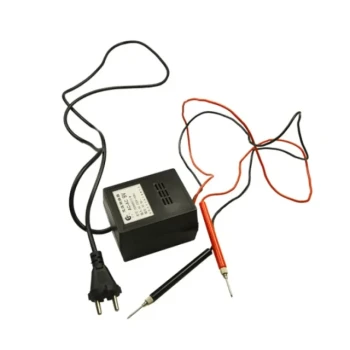
| Pulse Controller | Regulates electrical intensity | Ensures the stimulus is strong enough to trigger response but not harm |
| Collection Frame | Houses wires and glass | Allows for automated, large-scale harvesting with minimal bee mortality |
Elevate Your Bee Venom Production with HONESTBEE
Maximize your apiary's revenue without compromising colony health. HONESTBEE provides professional-grade electric venom collectors and a full spectrum of advanced beekeeping machinery designed for commercial apiaries and distributors. From high-precision extraction tools to honey-filling machines and essential consumables, we offer the technical expertise to scale your business.
Ready to upgrade your harvesting technology? Contact our wholesale experts today to find the perfect equipment solution.
References
- Sawsan El-Sayied Ali, Yasser A. Attia. Exploring bee venom and silver nanoparticles for controlling foulbrood pathogen and enhancing lifespan of honeybees. DOI: 10.1038/s41598-024-67515-7
This article is also based on technical information from HonestBee Knowledge Base .
Related Products
- Full Set Beekeeping Electronic Bee Venom Collector Machine Device for Bee Venom Collecting
- Portable Electric Bee Vacuum with Lithium Battery and 20L Collection Bucket
- Commercial Grade Vertical Electric Bee Sweeper for Bee Removal
- High Performance Cordless Electric Bee Shaker for Beekeeping
- Electric Bee Smoker European Style Bee Hive Smoker for Beekeeping
People Also Ask
- How does the glass plate integrated into a bee venom collector contribute to maintaining quality and purity?
- What is the function of specialized collection equipment in the production process of bee venom? Expert Guide
- What is the significance of using specialized bee venom collection devices in commercial beekeeping operations?
- Why are bee venom collection devices typically mounted on specialized wooden carrier boards? Maximize Yield & Purity.
- How does a dedicated bee venom collection device operate? Extract Pure Venom Safely Without Harming Your Bees