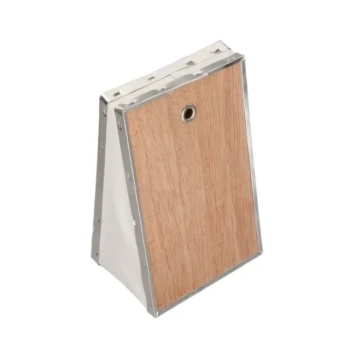
The beekeeping smoker acts as a biological interrupter. It functions by producing cool smoke that simultaneously masks the colony's chemical communication system and triggers a primal survival instinct. This dual mechanism compels bees to gorge on honey, resulting in a physiological state of lethargy that suppresses defensive aggression.
Core Takeaway The smoker is not a sedative tool, but a diversionary one. By masking alarm pheromones and simulating a fire threat, it forces the colony to shift priority from hive defense to resource preservation, rendering the bees docile and manageable.
The Disruption of Chemical Communication
Masking the Alarm Signal
Honeybees rely heavily on olfactory signals to coordinate defense. When a guard bee identifies a threat or stings an intruder, it releases highly volatile alarm pheromones.
Breaking the Chain Reaction
Under normal circumstances, this scent alerts the entire colony, triggering a mass defensive response. The dense smoke physically masks these pheromones.
Because the remaining bees cannot detect the chemical "distress call" from the guard bees, the chain reaction of aggression is effectively broken before it can begin.
The Activation of Survival Instincts
Simulating a Natural Threat
Beyond masking scents, the smoke triggers an ancient evolutionary response. Bees instinctively associate the smell of smoke with a nearby forest fire.
Shifting Colony Priorities
Perceiving a potential need to evacuate, the colony’s focus shifts immediately from attacking the intruder to preparing for migration.
Instead of swarming the beekeeper, the bees retreat into the hive to care for the queen and secure their resources.
The Physiological "Engorgement" Effect
To prepare for this potential journey, bees begin to rapidly consume nectar and honey stores to ensure they have sufficient energy.
This engorgement causes the bees to become lethargic and less active. This physical state of fullness significantly reduces their agility and inclination to sting.
Critical Trade-offs and Safety
The Necessity of "Cool" Smoke
It is vital to note that the smoke must be cool, not hot. The references explicitly state that "controlled cold smoke" is the required mechanism.
The Risk of Heat
Hot smoke or sparks will not calm the bees; it will singe their wings and bodies. This triggers panic and pain rather than the calculated survival response described above.
Balancing Dosage
While smoke reduces aggression, it is an intervention that disrupts normal hive activity. Overuse can cause excessive stress, while underuse may fail to fully mask the alarm pheromones during invasive procedures.
Making the Right Choice for Your Goal
Effective use of a smoker requires balancing the disruption of the colony with the safety of the operation.
- If your primary focus is Quick Observation: Use a light puff at the entrance to mask pheromones without triggering a full gorging response, keeping the disruption minimal.
- If your primary focus is Deep Inspection: Apply smoke more thoroughly to trigger the feeding instinct, ensuring the colony is lethargic and safe for frame manipulation.
- If your primary focus is Colony Transfer: Maintain a steady supply of cool smoke to keep the alarm signals suppressed throughout the physically agitation of moving the hive.
By controlling the smoke's temperature and density, you transform a potential defensive swarm into a manageable, resource-focused colony.
Summary Table:
| Mechanism | Action Taken | Biological Result |
|---|---|---|
| Pheromone Masking | Smoke blocks alarm scents | Prevents the chain reaction of defensive aggression |
| Survival Instinct | Simulates a forest fire threat | Shifts colony priority from hive defense to migration prep |
| Physiological Effect | Forced honey engorgement | Bees become lethargic and physically less able to sting |
| Temperature Control | Use of "Cool Smoke" | Ensures safety and avoids triggering panic or injury |
Partner with HONESTBEE for Professional-Grade Beekeeping Equipment
At HONESTBEE, we specialize in empowering commercial apiaries and distributors with the high-performance tools required for large-scale operations. From precision-engineered cool-smoke beekeeping smokers to advanced honey-filling machines and specialized hive-making hardware, our comprehensive wholesale portfolio is designed to enhance your productivity and colony health.
Whether you are scaling your commercial production or looking for a reliable supplier of essential industry consumables and cultural merchandise, HONESTBEE delivers the quality and expertise you deserve. Contact us today to explore our full spectrum of beekeeping machinery and equipment and see how we can optimize your business.
References
- Tadesse Tsegaw, Agazhe Tsegaye. The Status of Beekeeping in Simada District, Amhara, Ethiopia, with Its Challenges and Opportunities. DOI: 10.11648/j.rd.20240503.11
This article is also based on technical information from HonestBee Knowledge Base .
Related Products
- Miniature Stainless Steel Bee Smoker for Beekeeping
- Stainless Steel Honey Bee Smoker Hive and Honeycomb Smoker for Beekeeping
- Professional Bee Smoker with Elongated Spout and Durable Bellows for Beekeeping
- Electric Bee Smoker European Style Bee Hive Smoker for Beekeeping
- Galvanized Beekeeping Smoker for Honey Bee and Apiculture
People Also Ask
- What are bee smokers made out of? Choose the Right Material for Your Apiary
- What is the primary function and mechanism of beekeeping smokers? Enhance Hive Safety and Harvesting Efficiency
- How should a beekeeping smoker be used when inspecting a hive? Master Calm Hive Management Techniques
- What is the function of a beekeeping smoker during the harvesting and processing of Apis florea combs? | Expert Guide
- What is a beekeeping smoker and what are its components? A Guide to Essential Hive Management