The primary disadvantage of both the spoon and press extraction methods is the inevitable destruction of the honeycomb structure. While these methods successfully remove honey, they require breaking or crushing the wax cells. This damage forces the bee colony to rebuild their infrastructure from scratch rather than focusing immediately on storing new nectar.
While manual methods like the spoon and press are low-cost, they destroy the comb, forcing bees to consume significant amounts of honey to generate the energy required to rebuild the lost wax.
The Biological Cost of Wax Reconstruction
The Energy Economics of Wax
Wax production is biologically expensive for a bee colony. To produce the wax necessary to rebuild destroyed comb, bees must consume large quantities of their own honey stores.
Impact on Yield
Because the bees are diverting resources to reconstruction, there is a direct reduction in the net honey yield for the beekeeper. Every ounce of honey consumed for wax production is an ounce that cannot be harvested.
Time Lost to Rebuilding
Rebuilding comb takes time as well as energy. During the period the colony spends repairing the damage caused by spoon or press extraction, they have less storage space available for incoming nectar flow.
Comparing the Methodologies
The Destructive Approach (Spoon & Press)
Both the spoon and press methods rely on mechanical force to separate liquid from solid. Whether scooping the comb out or crushing it in a press, the result is a pile of wax debris that cannot be reused immediately by the bees.
The Preservation Approach (Extractor)
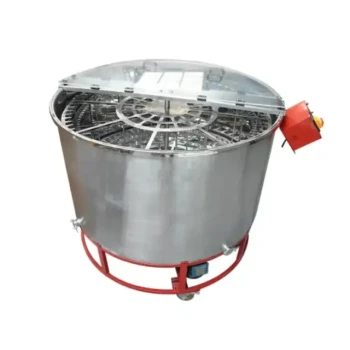
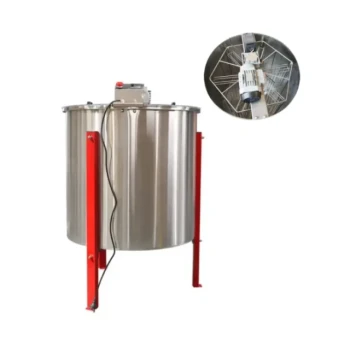
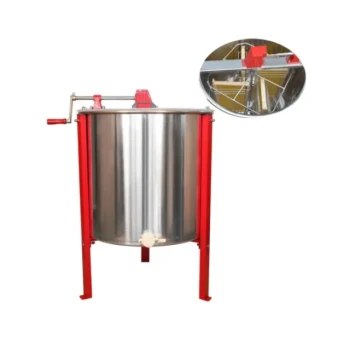
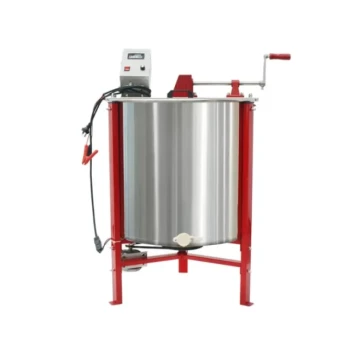
An extractor operates on a fundamentally different principle, using centrifugal force to spin the honey out of the cells. This process leaves the delicate structure of the comb intact.
The Reuse Advantage
Because the extractor preserves the comb, the beekeeper can return the "drawn comb" directly to the hive. The bees can immediately begin cleaning and refilling these cells, bypassing the energy-intensive building phase.
Understanding the Trade-offs
Equipment Cost vs. Biological Cost
The main appeal of spoon and press methods is that they require almost zero capital investment. However, you are effectively trading financial savings for a "biological tax" on your hive's energy reserves.
Scalability Issues
While destroying comb might be acceptable for a single hive harvesting once a year, it becomes unsustainable as an operation scales. The cumulative loss of production caused by constantly forcing bees to rebuild makes manual methods inefficient for larger operations.
Making the Right Choice for Your Goal
To decide between these methods, you must weigh the upfront equipment cost against the long-term productivity of your colony.
- If your primary focus is maximum honey yield: Use an extractor to preserve the drawn comb, allowing bees to focus their energy on foraging rather than construction.
- If your primary focus is minimizing upfront costs: Use the spoon or press method, but be prepared for lower overall yields and a longer recovery time for your colony.
The most efficient extraction method is the one that respects the significant energy investment the bees have already made in building their home.
Summary Table:
| Feature | Spoon & Press Method | Centrifugal Extractor |
|---|---|---|
| Comb Condition | Destroyed/Crushed | Intact & Reusable |
| Bee Energy Cost | High (must rebuild wax) | Low (focus on foraging) |
| Honey Yield | Lower (due to wax production) | Maximized |
| Upfront Cost | Minimal | Moderate to High |
| Scalability | Low/Small-scale only | High/Commercial-scale |
Maximize Your Honey Production with HONESTBEE
Don't let inefficient extraction methods tax your colony's energy. At HONESTBEE, we empower commercial apiaries and distributors with high-performance beekeeping machinery designed to preserve your valuable drawn comb.
From advanced centrifugal extractors to automated honey-filling machines and specialized hive-making equipment, our comprehensive wholesale portfolio ensures your operation runs at peak efficiency.
Ready to scale your yield? Contact us today to explore our full spectrum of professional tools and industry consumables. Let’s build a more productive future for your beekeeping business together.
Related Products
- HONESTBEE 72 Frame Industrial Electric Honey Extractor for Beekeeping
- Commercial Electric 12 Frame Honey Extractor Spinner Motorized Honey Extractor
- HONESTBEE 3-Frame Manual Acrylic Honey Extractor
- electric honey extractor honey centrifuge 3 frame honey extractor stainless steel honey frame extractor
- HONESTBEE 6 Frame Self Reversing Electric Honey Extractor for Beekeeping
People Also Ask
- What is the importance of balancing honeycomb frames within a honey extractor? Ensure Stability and Protect Machinery
- How is honey separated from the frames after they are uncapped? Efficient Extraction Methods for High Yields
- What are the main benefits of using a honey extractor? Maximize Yields and Protect Your Honeycomb
- What are the recommended methods for removing honey from the honeycomb? Top Extraction Techniques for Maximum Efficiency
- How do manual honey extractors compare to electric honey extractors? Choosing the Right Tool for Your Apiary Growth