The primary function of a Constant Temperature Incubator in this context is to act as a precision surrogate for the honey bee colony, specifically designed to maintain the pupal stage of capped brood. By rigidly enforcing a temperature of 34.5°C and a relative humidity exceeding 60%, the device simulates the optimal natural microclimate required for successful metamorphosis and hatching.
Core Takeaway The incubator is not merely a heater; it is a standardization tool. Its value lies in eliminating environmental variables, ensuring that every emerging bee possesses a consistent physiological state. This allows researchers and breeders to attribute specific outcomes—such as gland development or vitality—to their experimental variables rather than temperature fluctuations.
Simulating the Hive Microclimate
The Critical Temperature Threshold
The incubator replaces the thermoregulatory behavior of nurse bees. It must maintain a high-precision temperature, specifically targeted at 34.5°C.
This specific thermal point is non-negotiable for the proper development of capped brood. It ensures that the metabolic rates of the developing pupae remain constant, mirroring the conditions found in the center of a healthy brood nest.
Humidity Regulation
Temperature alone is insufficient; the incubator must also maintain a relative humidity (RH) of above 60% (often ranging up to 75% RH).
This humidity level prevents the desiccation (drying out) of the delicate pupal tissues inside the capped cells. It ensures the physical structure of the wing and body tissue remains pliable for successful emergence.
The Role in Laboratory Emergence
Standardizing Physiological States
In scientific studies, such as those examining the effects of dietary factors (e.g., citric acid) on gland development, the physiological starting point of the subject must be identical.
The incubator ensures that every worker bee emerges under the exact same conditions. This guarantees that any observed differences in the bees are due to the experimental treatment, not because one group got colder than another.
Minimizing Experimental Error
Natural colonies are subject to external weather shifts and internal population dynamics. These fluctuations introduce "noise" into data.
By transferring capped brood to an incubator, researchers isolate the subjects from these variables. This creates a stable baseline, significantly reducing experimental error and increasing the reliability of toxicological or developmental data.
Operational Constraints and Considerations
The "Static" Nature of Incubation
While the incubator mimics physical parameters, it creates a static environment. It does not replicate the dynamic pheromone exchanges or social interactions found in a live colony.
Dependence on Sensor Accuracy
The success of artificial rearing is entirely dependent on the machine's calibration. Even minor deviations outside the 32-34°C range can lead to developmental defects or mortality.
Unlike a hive, which can self-correct through collective worker behavior, the incubator requires rigorous monitoring to ensure sensors are not drifting.
Making the Right Choice for Your Goal
To maximize the utility of a Constant Temperature Incubator, align its use with your specific objective:
- If your primary focus is Scientific Research: Prioritize the stability of the physiological state. Use the incubator to eliminate all environmental variables so you can isolate the impact of dietary or toxicological factors.
- If your primary focus is Queen Breeding: Prioritize the simulation of natural conditions. Ensure humidity stays strictly above 60% to mimic the hive environment, ensuring high emergence rates and vitality for the virgin queens.
Precision in the incubator guarantees consistency in the bee.
Summary Table:
| Parameter | Ideal Requirement | Function in Rearing/Laboratory |
|---|---|---|
| Temperature | 34.5°C (Rigidly enforced) | Simulates nurse bee thermoregulation; ensures constant metabolic rates. |
| Relative Humidity | > 60% (up to 75%) | Prevents pupal desiccation; ensures pliable tissue for successful hatching. |
| Environment | Static & Controlled | Eliminates external variables; standardizes physiological state for research. |
| Key Outcome | Consistency | Minimizes experimental error and maximizes virgin queen vitality. |
Elevate Your Apiary Operations with HONESTBEE
Precision is the backbone of successful queen rearing and professional beekeeping. At HONESTBEE, we specialize in empowering commercial apiaries and distributors with the high-performance tools required for excellence. From precision constant temperature incubators and honey-filling machines to a full spectrum of beekeeping hardware and consumables, our wholesale solutions are designed to scale your productivity.
Whether you are a researcher requiring standardized results or a distributor seeking the industry's most reliable equipment, HONESTBEE provides the expertise and machinery you need to thrive.
Ready to optimize your production? Contact us today to explore our comprehensive wholesale catalog!
References
- Andrew F. Brown, Peter Neumann. Towards holistic colony feeding: Effects of vitamin supplementation on summer and winter honey bee workers, Apis mellifera L. DOI: 10.1371/journal.pone.0328626
This article is also based on technical information from HonestBee Knowledge Base .
Related Products
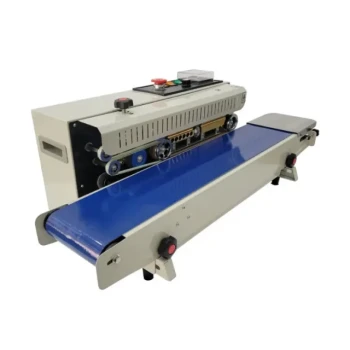
- Automatic Continuous Heat Sealing Machine
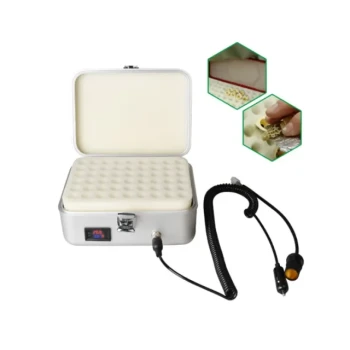
- Portable Queen Bee Incubator with 12V Car Adapter for Safe Transport
People Also Ask
- How is a heat sealer used in the production of honey sticks? Master the Art of Leak-Proof Sealing
- What is a sealing machine called? Choose the Right Heat Sealer for Your Packaging
- How do I choose a heat sealer? A Guide to Matching the Right Machine to Your Needs
- What is the function of sealing machines? Ensure Product Integrity and Extend Shelf Life
- What is a sealing machine? Protect Your Product Quality and Brand Reputation