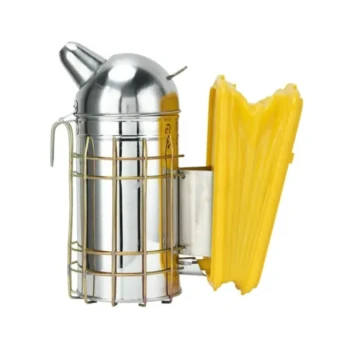
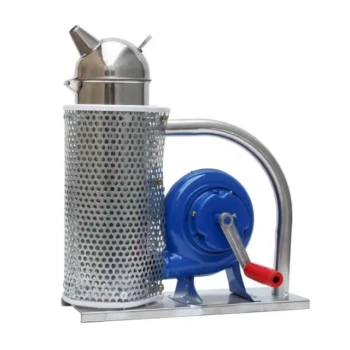
The primary function of a specialized bee smoker is safety through behavioral control. It operates by burning dry materials, such as wood shavings, to generate a steady stream of cool white smoke. This smoke serves two specific biological purposes: it masks the chemical alarm pheromones released by guard bees and simultaneously triggers a feeding instinct that makes the colony less defensive and easier to handle.
The bee smoker effectively neutralizes colony aggression by interrupting the chemical signals used to communicate danger. By inducing a feeding response and masking alarm pheromones, it remains the essential tool for ensuring operator safety during hive inspections and live sampling.
The Biological Mechanisms of Control
Masking Chemical Communication
Honeybees rely heavily on scent to coordinate colony defense. When a guard bee perceives a threat, it releases alarm pheromones to alert the rest of the hive to attack.
The cool white smoke produced by the smoker physically masks these pheromones. By disrupting this chemical communication channel, the smoke prevents the rapid escalation of defensive behavior across the colony.
Triggering the Feeding Instinct
Beyond simply blocking signals, the smoke triggers an ancient survival response. Sensing the smoke, bees instinctively believe a fire may be approaching their home.
In preparation for potential abandonment of the hive, the bees begin gorging on honey. This feeding behavior makes the bees physically heavier and significantly less prone to flying or stinging, rendering them docile for the duration of the inspection.
Operational Benefits
Ensuring Operator Safety
The immediate result of these behavioral changes is a drastic reduction in aggression. This creates a safer working environment for the beekeeper or technician.
With the colony's defensive mechanisms suppressed, operators can perform live sampling procedures and detailed inspections without the constant threat of mass stinging incidents.
Facilitating Efficient Sampling
When bees are calm and gorged on honey, they move more slowly on the combs. This allows for more precise manipulation of hive components.
It ensures that sampling for pests or diseases can be conducted thoroughly without agitating the colony to a point where the data or the bees are compromised.
Understanding the Trade-offs
The Necessity of "Cool" Smoke
It is critical to distinguish between effective smoke and harmful smoke. The primary reference emphasizes the production of cool white smoke.
Generating hot or black smoke indicates incomplete combustion or improper fuel. This can singe the bees' wings, overheat the colony, and induce panic rather than calmness, counteracting the safety goals of the tool.
Fuel Selection
To achieve the correct smoke temperature and density, one must use appropriate dry materials. Wood shavings are a standard choice because they smolder consistently.
Using damp or synthetic materials can fail to produce the necessary white smoke or introduce toxic fumes into the hive environment.
Making the Right Choice for Your Goal
To maximize the effectiveness of your colony management, apply the smoker with specific intent:
- If your primary focus is operator safety: Ensure you puff cool smoke at the entrance before opening the hive to immediately mask alarm pheromones before they spread.
- If your primary focus is non-intrusive sampling: Allow a few minutes after smoking for the feeding instinct to take effect, ensuring the bees are gorged and lethargic before removing frames.
Mastering the use of the smoker transforms a chaotic inspection into a controlled, professional procedure.
Summary Table:
| Feature | Biological Mechanism | Operational Benefit |
|---|---|---|
| Pheromone Masking | Blocks alarm chemical signals | Prevents colony-wide aggression and stinging |
| Feeding Response | Induces honey gorging instinct | Makes bees docile, heavy, and less likely to fly |
| Cool White Smoke | Non-toxic smoldering | Ensures bee health while maintaining visibility |
| Controlled Smoldering | Slow combustion of dry fuel | Provides steady, predictable behavioral suppression |
Elevate Your Beekeeping Operations with HONESTBEE
At HONESTBEE, we specialize in empowering commercial apiaries and distributors with professional-grade beekeeping solutions. From high-performance bee smokers and hive-making machinery to specialized honey-filling equipment and industry consumables, our comprehensive wholesale portfolio is designed for scale and durability.
Why partner with HONESTBEE?
- Complete Supply Chain: Access a full spectrum of tools, machinery, and cultural merchandise.
- Commercial Expertise: We cater specifically to the needs of large-scale operations and global distributors.
- Proven Quality: Our equipment is engineered for precision, safety, and long-term efficiency.
Ready to optimize your hive management and sampling procedures? Contact us today to explore our wholesale offerings and see how our hardware can transform your apiary's productivity.
References
- Bruno Henrique Rocha dos Santos, Geraldo Wilson Fernandes. Signature of Environmental and Parasite Stresses on the Wings of Apis mellifera. DOI: 10.13102/sociobiology.v72i3.11389
This article is also based on technical information from HonestBee Knowledge Base .
Related Products
- Professional Bee Smoker with Elongated Spout and Durable Bellows for Beekeeping
- Stainless Steel Honey Bee Smoker Hive and Honeycomb Smoker for Beekeeping
- European Stainless Steel Bee Smoker for Honey Bee Hive
- Premium Traditional Copper Bee Smoker with Bellows
- Heavy-Duty Bee Smoker with Durable Plastic Bellows for Beekeeping
People Also Ask
- What roles do bee smokers and precision tools play in honey harvesting? Master Safety and Quality Control
- Why is the use of professional bee smokers and specialized fuel essential? Protect Honey Purity & Colony Safety
- Why is a professional bee smoker considered an essential tool for hive management and safety? Master Colony Control.
- What is the mechanism by which a professional bee smoker assists in colony management? Boost Hive Safety and Efficiency
- Why is a professional bee smoker essential for hive maintenance? Master Colony Control & Safety