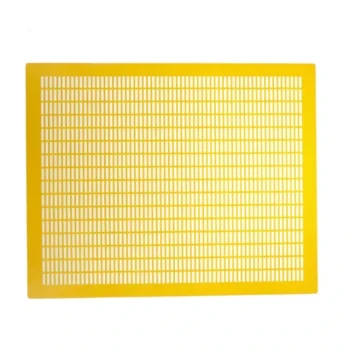
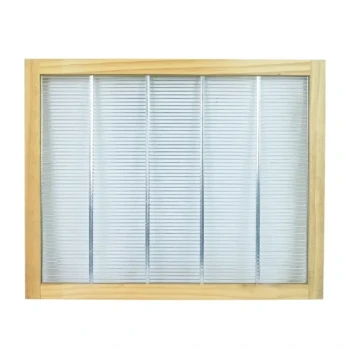
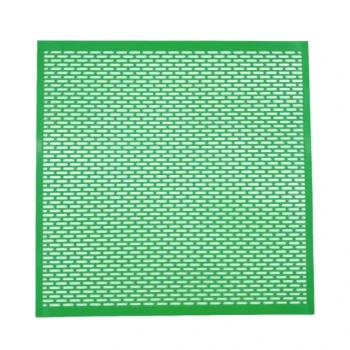
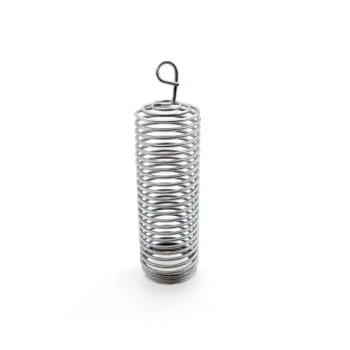
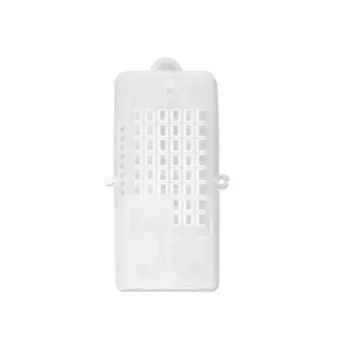
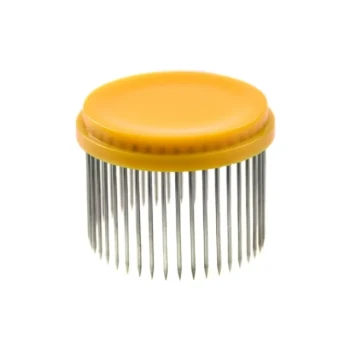
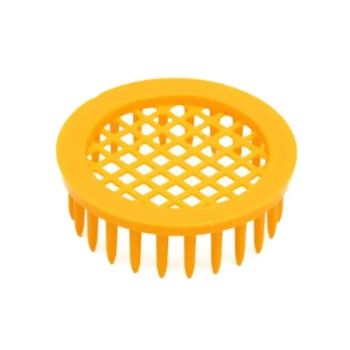
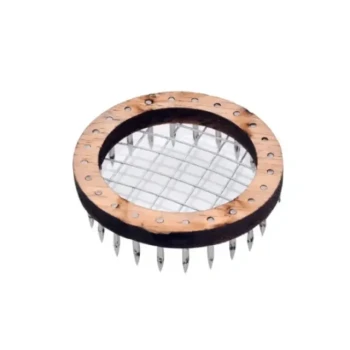
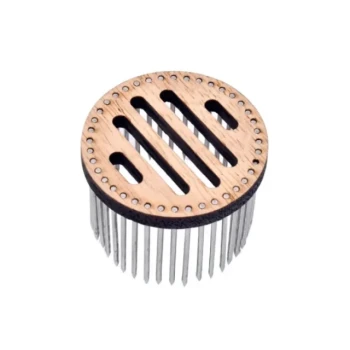
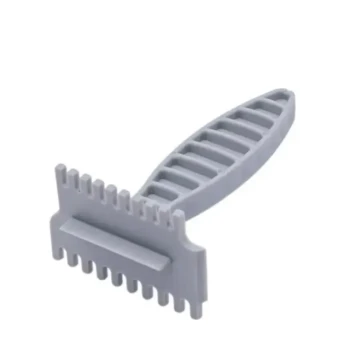
The primary function of beekeeping cages equipped with queen excluders is to enforce precise temporal and spatial control over egg-laying. By restricting the queen to specific frames within the hive, these cages ensure the production of larvae of a uniform age. This design allows smaller worker bees to pass through freely to provide care, while preventing the queen from escaping or laying eggs in non-designated areas.
Core Takeaway In controlled breeding and larval cultivation, the queen excluder cage is an instrument of precision. It eliminates the variability of natural laying patterns, providing the beekeeper with a synchronized batch of larvae essential for grafting, scientific study, or high-efficiency queen rearing.
The Mechanics of Controlled Breeding
Achieving Larval Uniformity
The most critical objective in controlled breeding is obtaining larvae that are at the exact same developmental stage.
Without a cage, a queen will lay eggs sporadically across various frames. By confining the queen to a specific frame for a set period (e.g., 24 hours), the beekeeper guarantees that all eggs on that frame were laid within that narrow window.
This synchronization is vital for processes like grafting, where the age of the larva directly impacts the quality of the resulting queen.
Selective Permeability
The effectiveness of these cages relies on the size difference between castes.
The grid spacing of the excluder is engineered to be passable for worker bees but impassable for the larger abdomen of the queen.
This ensures the queen remains isolated on the target comb, yet the colony’s social structure remains intact. Workers can enter the cage to feed the queen, clean cells, and nurse the newly hatched larvae without interruption.
Physiological Induction
Beyond simple containment, these tools can manipulate the hive's biological response.
By restricting the queen's pheromones and physical presence to a specific zone, the excluder can create a physiological "illusion of queenlessness" in other parts of the hive.
This localized absence stimulates the workers' instinct to rear new queens, significantly increasing the success rate of acceptance when introducing new queen cells or grafting frames.
Understanding the Trade-offs
While excluder cages are essential for precision, they introduce specific management challenges that must be monitored.
Potential for Stress
Confinement is unnatural for a queen accustomed to roaming the brood nest. Prolonged isolation in a small cage can cause stress, potentially temporarily reducing her laying rate after release.
Maintenance Requirements
Because the queen cannot leave to defecate or forage, she is entirely dependent on nurse bees passing through the mesh.
If the mesh becomes clogged with propolis or wax, or if the cage is placed in a "dead zone" of the hive with fewer nurses, the queen's health can deteriorate rapidly.
Making the Right Choice for Your Goal
To utilize queen excluder cages effectively, align their usage with your specific breeding objectives.
- If your primary focus is Larval Grafting: Use the cage to confine the queen to a single frame for exactly 24 hours to generate a frame of larvae with identical ages.
- If your primary focus is Queen Rearing: Utilize the excluder to separate the queen from the rearing starts, triggering the "queenless" nursing instinct in the workers while keeping the colony populous.
Success in controlled breeding comes not just from having the right equipment, but from strictly managing the timing of the queen's confinement.
Summary Table:
| Feature | Function & Purpose | Impact on Breeding |
|---|---|---|
| Temporal Control | Confines laying to a specific 24-hour window | Produces synchronized, uniform-age larvae |
| Selective Permeability | Allows workers in while keeping the queen in place | Maintains queen nutrition and colony social structure |
| Spatial Restriction | Limits laying to a single designated frame | Simplifies grafting and prevents sporadic egg distribution |
| Physiological Induction | Creates a localized "queenless" environment | Stimulates worker instinct to rear new queen cells |
Elevate Your Apiary's Productivity with HONESTBEE
Precision is the backbone of successful queen rearing and commercial beekeeping. At HONESTBEE, we empower commercial apiaries and distributors with high-performance beekeeping tools, specialized machinery, and essential consumables designed for efficiency. Whether you need precise queen excluder cages, advanced hive-making machinery, or high-capacity honey-filling solutions, our comprehensive wholesale portfolio has you covered.
Ready to scale your operations and improve your breeding success rates? Contact us today to discover how our industry-leading equipment and honey-themed merchandise can drive your business forward.
References
- Qing Wang, Bingfeng Zhou. Low-Temperature Stress during Capped Brood Stage Increases Pupal Mortality, Misorientation and Adult Mortality in Honey Bees. DOI: 10.1371/journal.pone.0154547
This article is also based on technical information from HonestBee Knowledge Base .
Related Products
- Professional Bamboo Queen Isolation Cage
- Professional Queen Catcher and Introduction Queen Cage
- Wooden Queen Bee Excluder for Beekeeping
- Professional Plastic Queen Excluder for Modern Beekeeping
- Premium Wood Framed Metal Wire Queen Bee Excluder
People Also Ask
- Why are specialized queen bee cages used for the banking of mated queen bees? Maximize Commercial Apiary Storage Efficiency
- What is the mechanism of action for using temporary queen bee cages? Master Successful Queen Introduction
- How does the side ventilation design of a queen bee cage impact the safety of the queen during long-distance transport?
- What should you do if the queen is still in the cage and the worker bees have not accepted her? Protect Your Colony from Queen Rejection
- What technical precaution must be taken regarding the mesh or grill side of a queen bee cage? Ensure Queen Survival